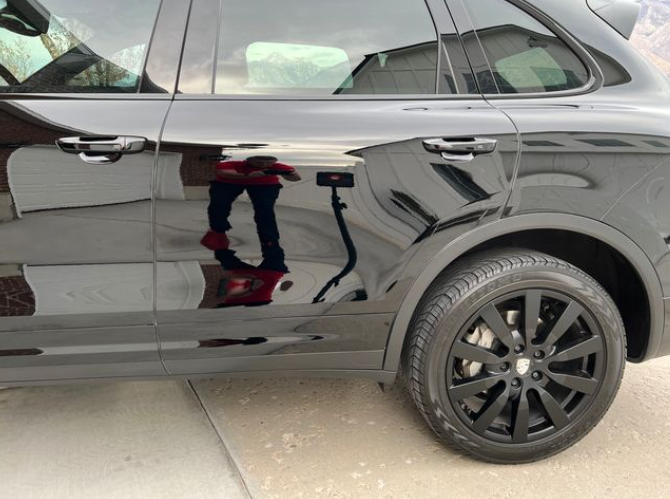
Your vehicle's paint tells a story. Sometimes that story includes swirl marks from years of washing, oxidation from sun exposure, or surface defects that dull what should be a deep, glossy finish. Paint correction changes that story by removing those imperfections and revealing the finish underneath.
But not every vehicle needs the same level of work. 2 step paint correction is the one most people opt for; however, we offer three distinct correction stages at Obsessed Detail and Restoration. Understanding the difference helps you choose the right service for your situation rather than paying for more than you need or settling for less than your paint requires.
Let me explain what each level actually does and when it makes sense.
What Paint Correction Actually Does
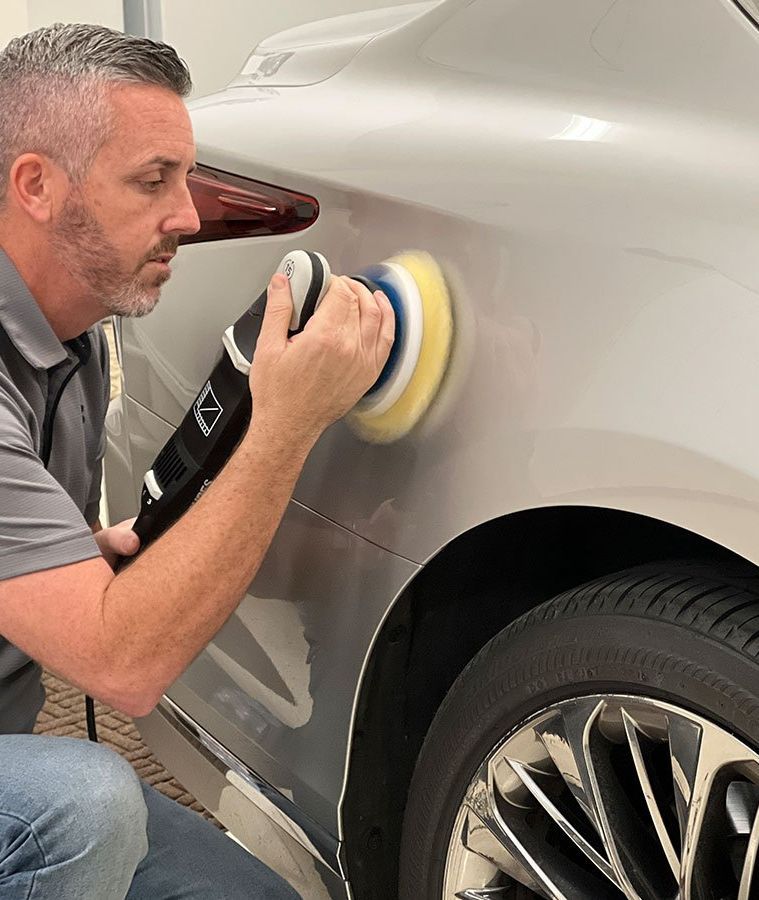
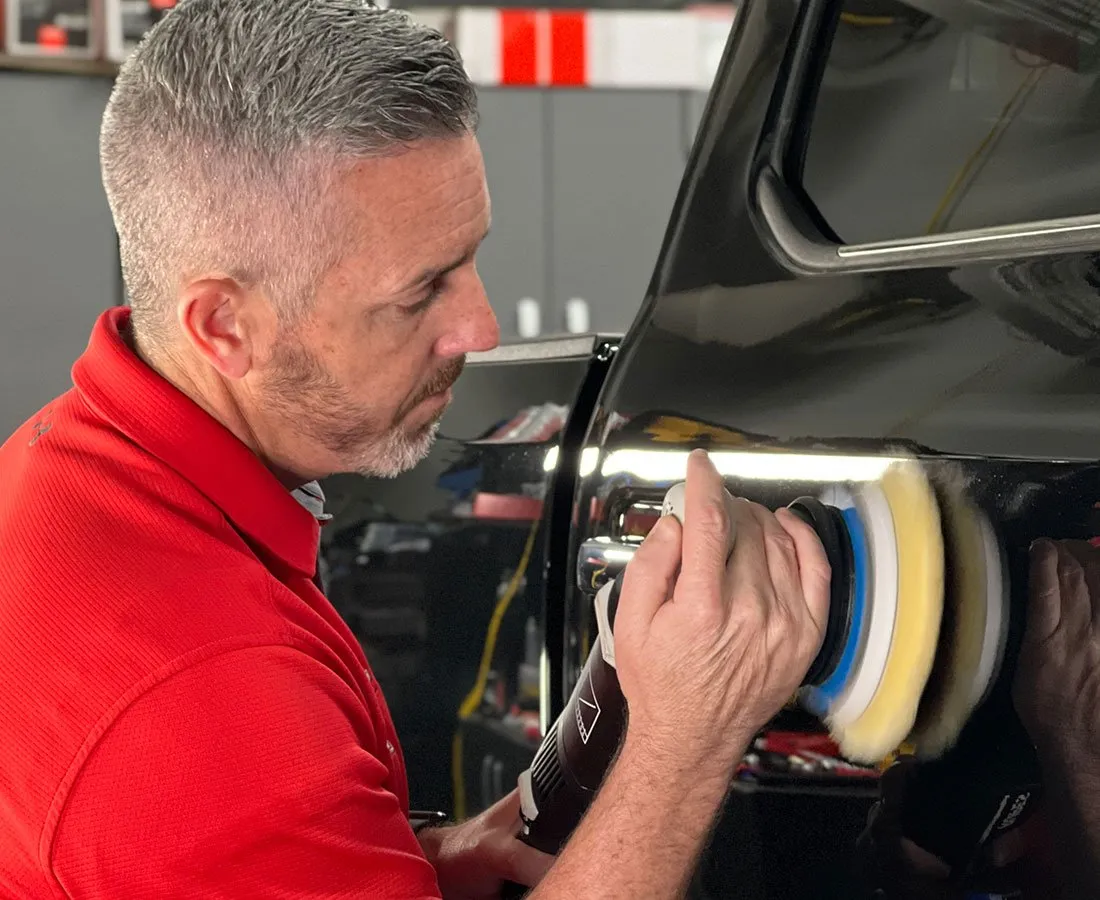
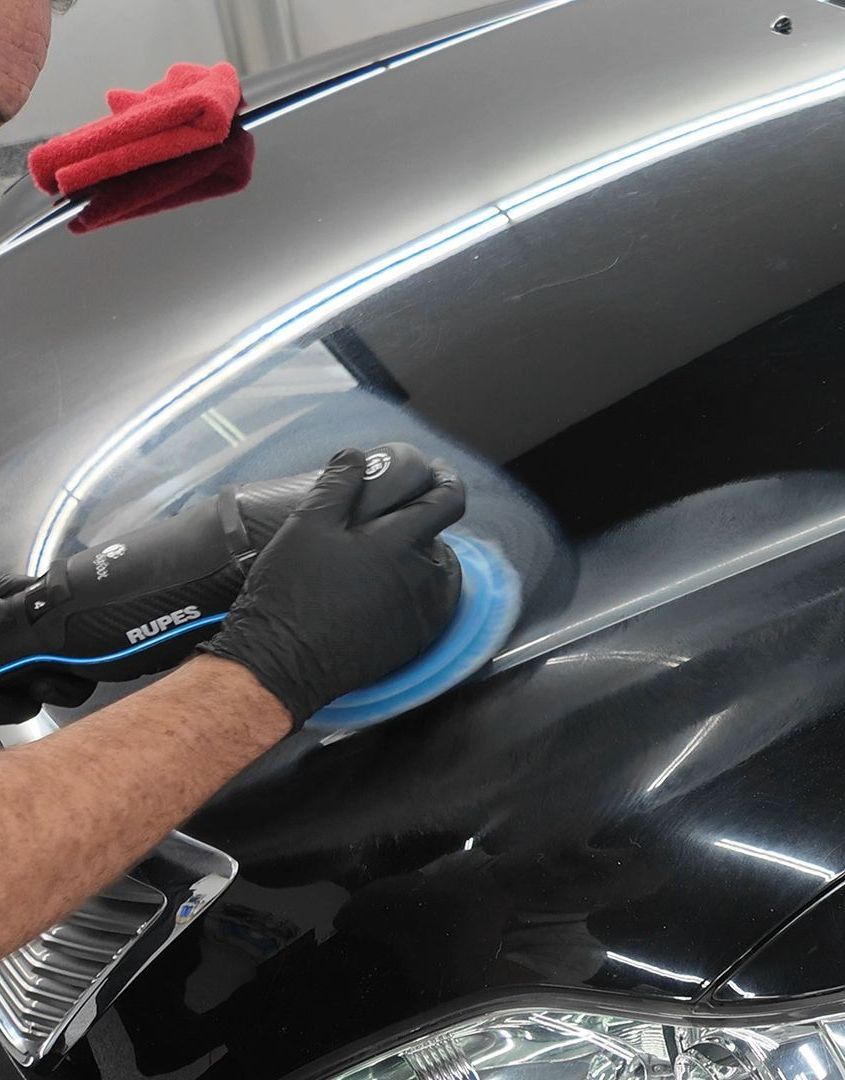
Paint correction removes defects from your clear coat by carefully abrading away the damaged layer. Using machine polishers with specific compounds and pads, we level the surface until defects disappear, then refine it to restore clarity and depth.
The number of steps refers to how many distinct polishing passes your paint receives. More steps mean more aggressive cutting followed by finer refinement. Each step addresses different types and depths of damage. Professional correction also includes thorough inspection before any machine touches your paint.
One-Step Correction: The Enhancement Level
One-step correction uses a single polishing pass to address light surface defects.
This level targets vehicles with minor imperfections that haven't accumulated deep into the clear coat. Light swirl marks, minor oxidation, water spots, and surface haze respond well to a single-stage approach. We aim for 70%+ defect removal with this service.
One-step correction fits vehicles that:
- Show light swirls visible mainly in direct sunlight
- Have been reasonably maintained with proper washing techniques
- Need a refresh before applying ceramic coating protection
- Display minor dullness rather than heavy defects
The process uses a medium-cut compound with appropriate pads to remove light damage while simultaneously refining the surface. Because everything happens in one pass, this level works efficiently for paint that hasn't suffered significant abuse.
One-step correction also serves as an ideal preparation before protection. Applying ceramic coating over uncorrected paint locks in existing defects. A single-stage polish removes enough imperfection to give your coating a clean foundation.
Two-Step Correction: The Standard Restoration
2 step paint correction represents the most common service level for vehicles with moderate defects.
This process separates the work into distinct phases. The first pass uses a cutting compound to remove more serious damage. The second pass uses a finishing polish to refine the surface and restore full clarity. We target 80%+ defect removal with this approach.
Two-step correction addresses:
- Moderate swirl marks visible in various lighting conditions
- Surface damage from automated car washes over time
- Light etching from environmental contaminants
- Paint that has lost noticeable depth and gloss
The compound stage does the heavy lifting. It removes enough material to eliminate defects that single-stage polishing cannot reach. But aggressive cutting leaves behind its own haze, which the polishing stage removes.
This separation allows us to use more aggressive products in the first stage without worrying about final finish quality. The polishing pass handles refinement, creating the deep gloss and clarity that makes corrected paint look better than new.
2 step paint correction works well for most daily drivers that have accumulated several years of normal wear. If your paint shows obvious swirling under any light source, two stages typically deliver the transformation you want.
Three-Step Correction: Maximum Restoration
Three-step correction provides the most thorough restoration possible for heavily defected paint.
This service adds a jeweling stage after cutting and polishing. We use a cutting compound first, a medium polish second, and a fine finishing polish third. Each stage progressively refines the surface. We aim for 90%+ defect removal at this level.
Three-step correction suits vehicles with:
- Heavy swirl marks and surface marring covering most panels
- Visible defects even from several feet away
- Years of neglect or improper maintenance
- Paint requiring maximum correction before show or sale
The three-stage process handles severe damage that would overwhelm a two-step approach. The initial cutting stage removes deep defects. The polishing stage eliminates haze and refines clarity. The final jeweling stage maximizes gloss and produces an exceptional reflective quality.
This level requires more time and removes more clear coat material than other options. That trade-off makes sense when your paint needs it, but excessive correction on paint that doesn't require it wastes material and effort.
Three-step correction often suits vehicles being prepared for shows, sales, or long-term ceramic coating protection. When every detail matters, and you want the absolute best result possible, this level delivers.
Choosing Your Correction Level
The right level depends on your paint's current condition and your goals.
Consider how visible your defects are. Light swirls seen only in direct light suggest one-step correction. Swirls visible in any lighting point toward two steps. Heavy defects obvious from across the room indicate three-step work.
Think about what happens after correction. If you plan to add paint protection film or ceramic coating, proper preparation matters. Starting with adequately corrected paint ensures your protection performs as intended.
Your time and goals also factor in. More stages require more hours and attention. Choosing the level that matches your actual needs provides the best result without over-correcting or under-delivering.
Every correction package at Obsessed Detail and Restoration includes paint sealant application after polishing. This protects your freshly corrected finish while you decide on long-term protection options.
What Correction Cannot Fix
Paint correction works within your vehicle's clear coat. Defects that penetrate through to the base color require body shop repair. Correction also cannot add material back, so paint with very thin remaining clear coat may not tolerate aggressive correction.
Understanding these boundaries helps set realistic expectations. Correction transforms most paint dramatically when you know what falls within its scope.
Ready to restore your vehicle's finish? Contact Obsessed Detail and Restoration to discuss which correction level fits your paint's condition.
Frequently Asked Questions
What is the difference between one-step and two-step paint correction?
One-step uses a single polishing pass for light defects, targeting 70%+ removal. Two-step separates cutting and polishing into distinct stages, addressing moderate damage with 80%+ removal. The additional stage in two-step correction handles deeper defects that single-pass polishing cannot reach effectively.
How do I know which paint correction level my vehicle needs?
Examine your paint in direct sunlight. Light swirls visible only in bright light suggest one-step correction. Swirls obvious in normal lighting indicate two-step work. Heavy defects visible from several feet away typically require three-step correction for proper restoration.
Does paint correction damage my clear coat over time?
Professional correction removes minimal clear coat material while achieving results. Quality work preserves adequate thickness for future maintenance. We assess paint condition before correction and use the least aggressive approach that still achieves your goals. Proper technique protects longevity.
Should I get paint correction before applying ceramic coating?
Yes, correction before coating produces better results. Ceramic coating magnifies whatever condition exists underneath. Applying coating over uncorrected paint locks in swirls and defects permanently. Proper correction creates a flawless foundation that your coating then protects and enhances.
How long do paint correction results last on my vehicle?
Results remain until new defects accumulate. Proper washing techniques and regular maintenance extend that period significantly. Adding ceramic coating after correction provides ongoing protection against environmental damage and makes maintenance easier. Your driving and care habits determine longevity.