When you decide to protect your vehicle with paint protection film, the first question isn't whether film works. You already know it does. The real question is how much of your car actually needs coverage. That decision depends on how you drive, where you park, and what matters most to you about keeping your finish intact.
I've installed paint protection film packages on everything from daily drivers to weekend cars, and I've learned that more coverage isn't always the right answer. Sometimes it is. But understanding what each level actually protects helps you choose based on your situation, not based on what sounds impressive.
Professional
paint protection film installation requires understanding both the product and the vehicle. Let me walk you through the coverage levels and explain what each one is designed to do.
Understanding Where Damage Happens
Before we talk about coverage options, it helps to understand why certain areas get protected first.
The front of your vehicle takes the most abuse. Road debris kicked up by other vehicles, gravel from construction zones, bug impacts at highway speeds- all of this hits your front end first. The hood catches most of it. The front bumper and fenders take their share. Mirrors get pelted from the sides.
The lower portions of doors and rocker panels face a different threat. They catch debris from your own tires, especially on wet roads. Rear fenders behind the wheels get the same treatment. Understanding this pattern helps you match coverage to your actual exposure.
Partial Front Coverage
Partial front coverage protects the areas most likely to see damage while keeping the project focused on essentials.
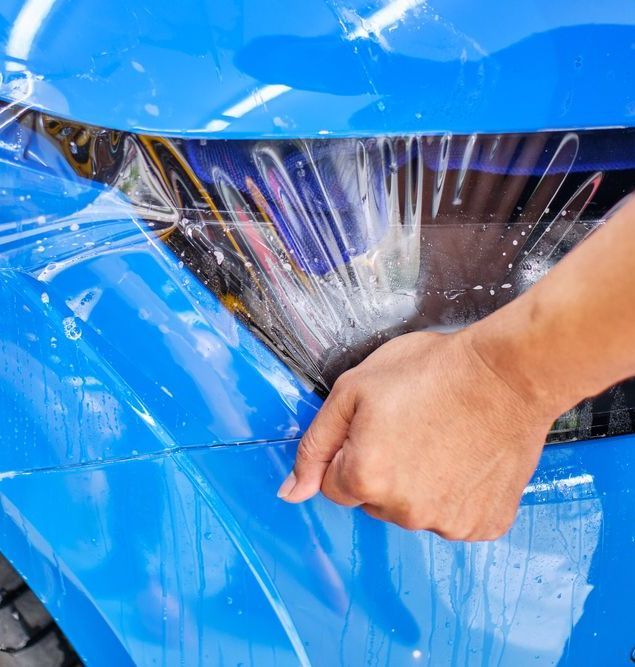
This level typically covers your front bumper, partial hood, mirrors, partial front fenders, and headlights and fog lights. The partial coverage on the hood and fenders means the film wraps around the leading edges and extends far enough back to catch direct impacts, but doesn't cover the entire panel.
Partial front works well when:
- You drive mostly highway miles at consistent speeds
- Your vehicle stays garaged and avoids gravel roads
- You want meaningful protection without covering every panel
- You're focused on protecting the highest-impact zones first
This coverage handles the direct-hit areas where rock chips and road debris do the most obvious damage. For many daily drivers, it's enough. The partial approach protects what needs protection most without covering panels that rarely see significant threats.
Full Front Coverage
Full front coverage extends protection across entire panels rather than just leading edges.
This level includes your front bumper, full hood, full front fenders, mirrors, headlights, and fog lights. The difference from partial coverage is complete panel coverage rather than just forward portions.
Full front makes sense when:
- You regularly drive on roads with construction debris or loose gravel
- Your commute includes following trucks that kick up debris
- You plan to keep the vehicle long-term
- Your vehicle's color makes any damage highly visible
Full front coverage means the entire hood is protected. Debris doesn't always travel in straight lines. Side impacts and angled hits can land beyond the leading edge. Covering full panels eliminates those vulnerable gaps.
Extended Coverage with Side Protection
Adding rocker panels and rear fender protection extends your coverage to areas that face debris from your own wheels.
This level includes everything in full front coverage plus rocker panels and impact areas on the rear fenders. These panels sit low on the vehicle, directly in the path of debris thrown by rotating tires. The damage here accumulates gradually, often unnoticed until you look closely.
Extended coverage fits drivers who:
- Travel on unpaved or poorly maintained roads regularly
- Drive in wet conditions where spray carries debris
- Own vehicles with lower ground clearance that sit closer to road surfaces
- Want protection on areas that traditional coverage leaves exposed
The rocker panels run along the bottom of your doors. They're invisible until you crouch down and look, which is exactly why damage there goes unnoticed. But when you eventually sell or trade the vehicle, buyers notice. Protecting these areas preserves what professional paint correction would otherwise need to address.
Full Vehicle Coverage
Complete coverage protects every painted surface on your vehicle.
Beyond front and side protection, full coverage extends to the rear bumper, trunk, full rear fenders, doors, roof, and A-pillars. Every panel that could sustain road damage is covered.
Full coverage makes sense for:
- High-value or collector vehicles where any damage affects value
- Vehicles in colors that show imperfections dramatically
- Owners who want to maintain showroom condition for years
- Those who prefer comprehensive protection over selective coverage
This level also offers matte finishes and color-change films that alter your vehicle's appearance while providing protection.
Making Your Coverage Decision
Choosing the right paint protection film packages level comes down to an honest assessment of how you drive and what you're protecting.
Think about your typical driving conditions. Highway miles with clean pavement need less coverage than gravel roads or construction zones. Consider how long you plan to own the vehicle. Longer ownership justifies more comprehensive coverage because protection compounds over time.
Professional installation at
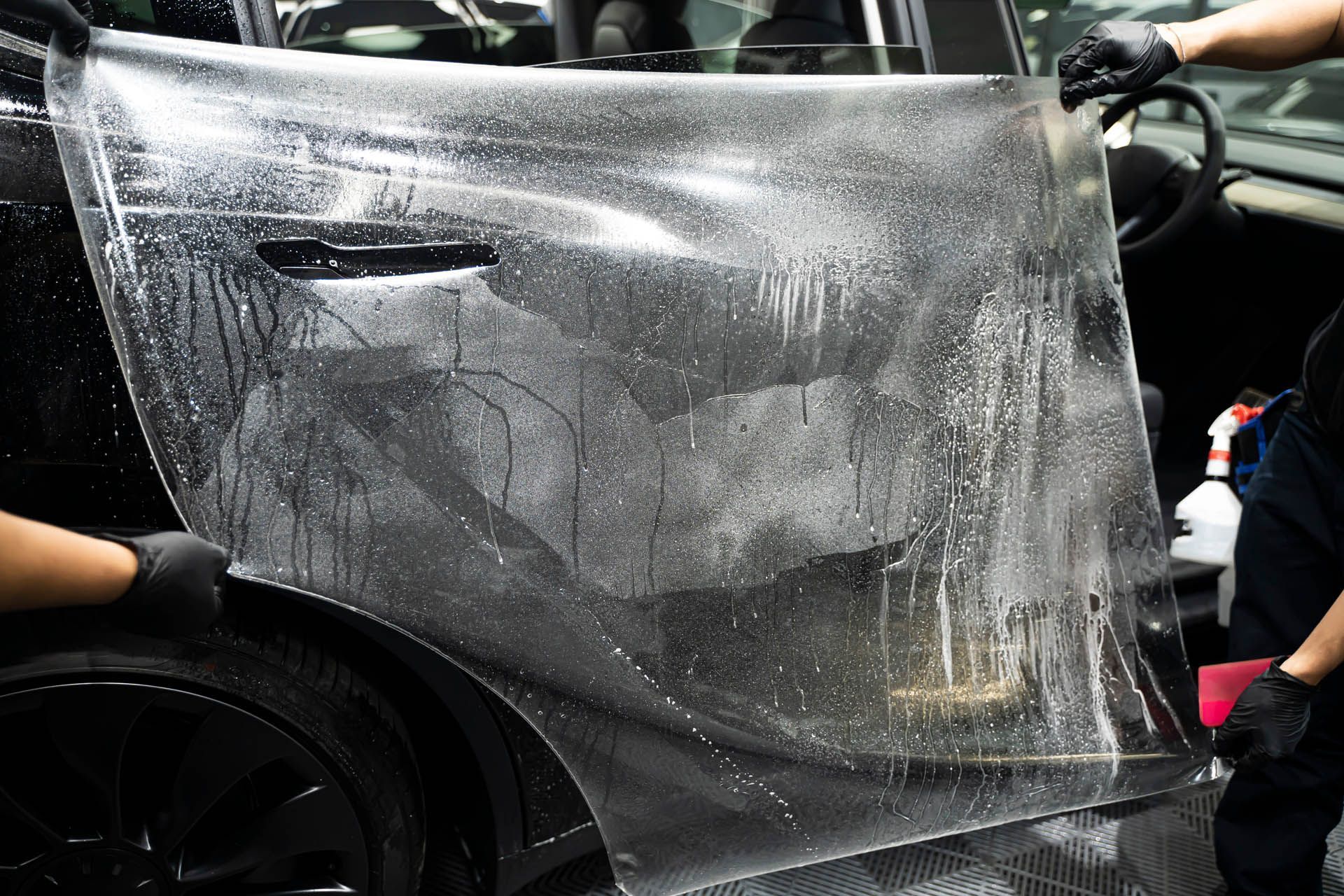
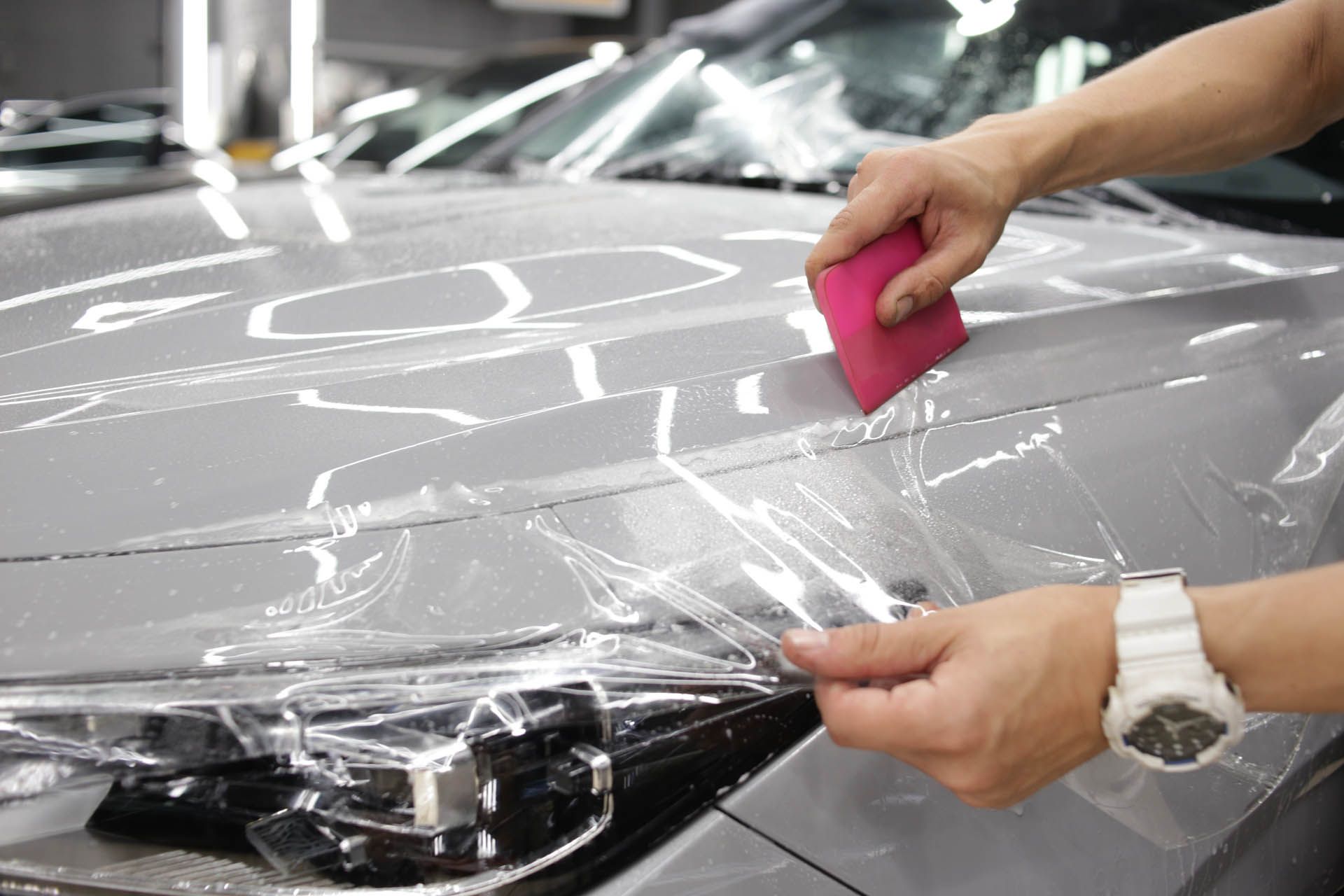
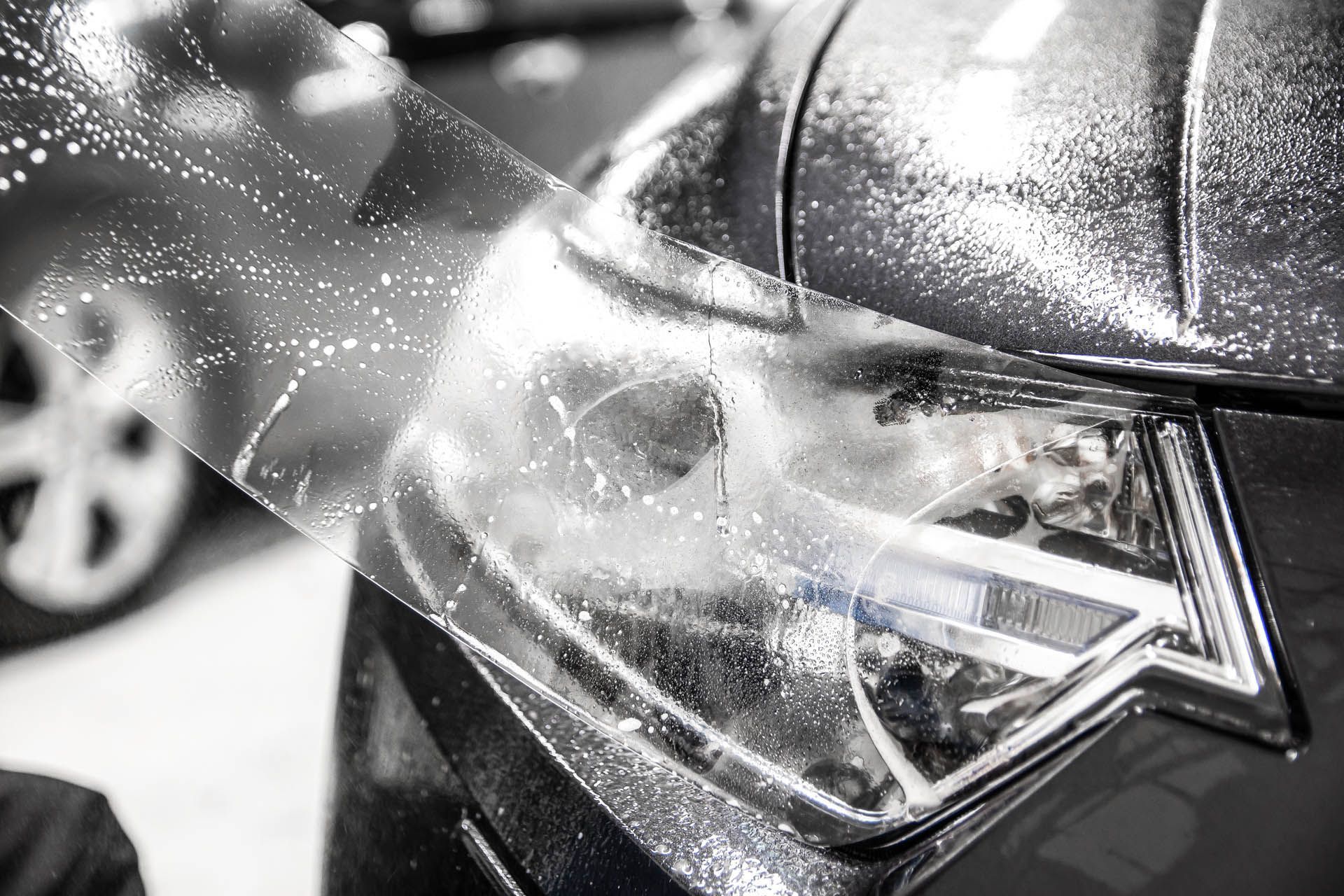
Obsessed Detail and Restoration begins with proper paint preparation. We clean and decontaminate your paintwork, inspect for existing defects, and ensure the surface is ready. The installation process involves precise measuring, careful cutting, and hand application with attention to every edge.
What Coverage Can't Do
Film protects against physical impacts and environmental contamination. It absorbs rock chips, resists chemical exposure, and blocks UV degradation.
But film isn't invisible armor. It can be damaged by extreme impacts and benefits from proper maintenance. Understanding this helps you set realistic expectations. You're adding a protective layer, not making your vehicle invincible.
Ready to discuss which coverage level fits your vehicle? Contact Obsessed Detail and Restoration for a consultation. We'll help you match coverage to your actual needs.
Frequently Asked Questions
Can I start with partial coverage and add more film later?
Yes, you can add coverage to unprotected areas later. However, panels exposed for months may need correction first to address accumulated damage. Starting with your intended coverage level avoids extra preparation steps and ensures consistent protection from day one across all covered surfaces.
How do I know if my driving conditions require more coverage?
Consider where debris actually hits your vehicle. If rock chips appear only on your hood and bumper, front coverage handles those areas. If you notice damage on rocker panels or rear fenders, extended coverage addresses those zones. Your routes reveal your actual exposure.
Does paint protection film change how my vehicle looks?
Quality film applied professionally is virtually invisible on most vehicles. The film actually enhances gloss slightly due to its smooth surface. Matte and color-change options exist for owners wanting to alter their appearance while adding protection. Clear film preserves your factory color exactly.
Why does professional installation matter for paint protection film?
Professional installation ensures proper surface preparation, precise cutting, and seamless application around edges and contours. Improper application creates bubbles, lifting edges, and premature failure. Professionals understand film behavior on different surfaces and can address complex curves that challenge inexperienced installers.
What areas face the most damage if left unprotected?
The front bumper, hood, and fenders take direct hits from road debris at speed. Rocker panels and lower doors catch debris from your own tires. Rear fenders behind wheels face similar tire spray. These high-impact zones accumulate damage fastest without protection.