2 Step Paint Correction: How a Detailer Decides What You Need
A detailer looks over your car, and a few minutes later you hear that it needs a two-step. It is fair to wonder how anyone landed on that number.
A 2-step paint correction is recommended when the assessment shows that a single polishing pass will not clear the swirls and marring. The number of steps comes from that assessment, not a starting point.
Below, I explain what a detailer weighs before naming a level and how each finding shapes the plan. What each level involves is covered in a separate guide, linked further down.
What a 2 Step Paint Correction Means
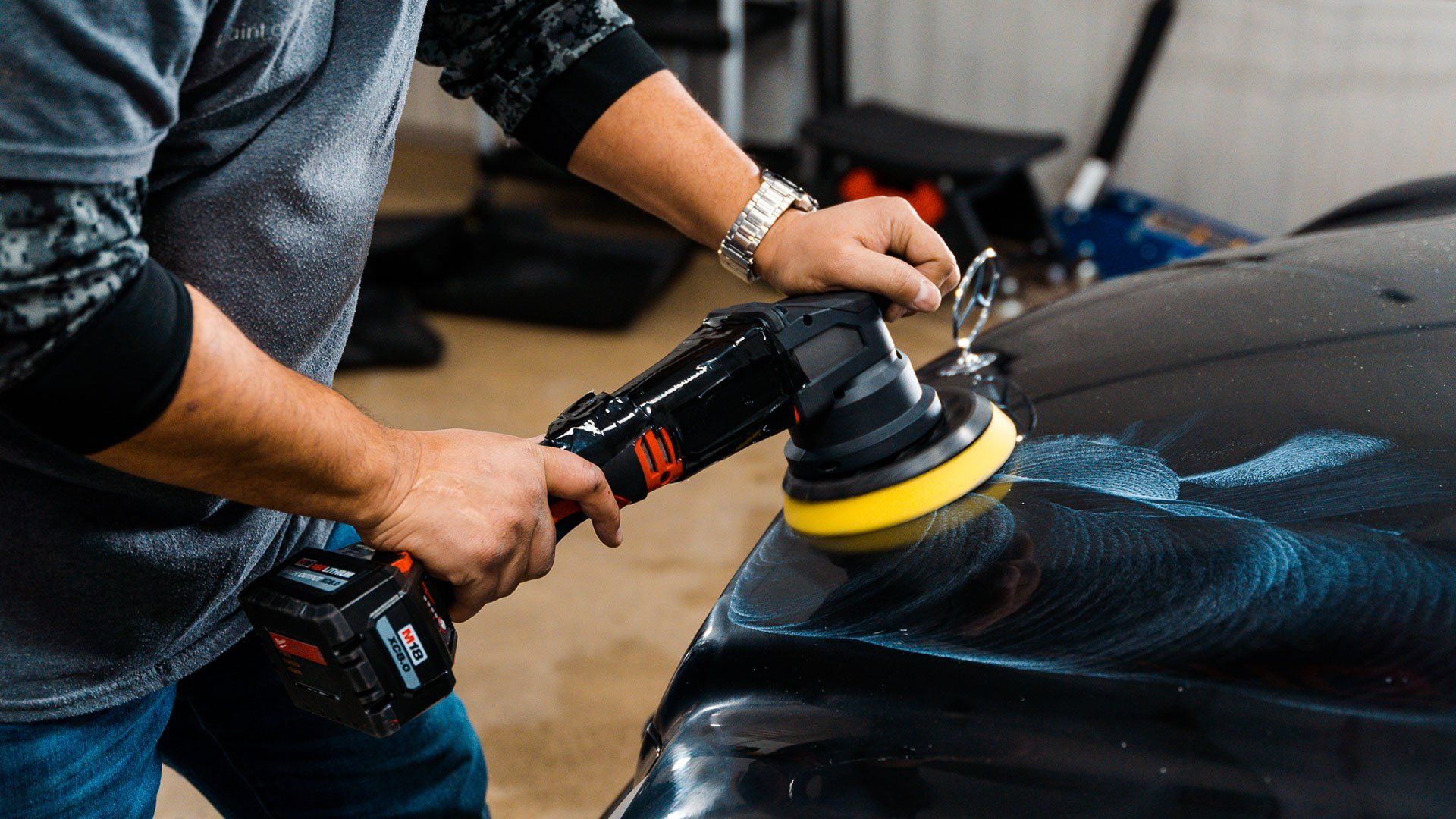
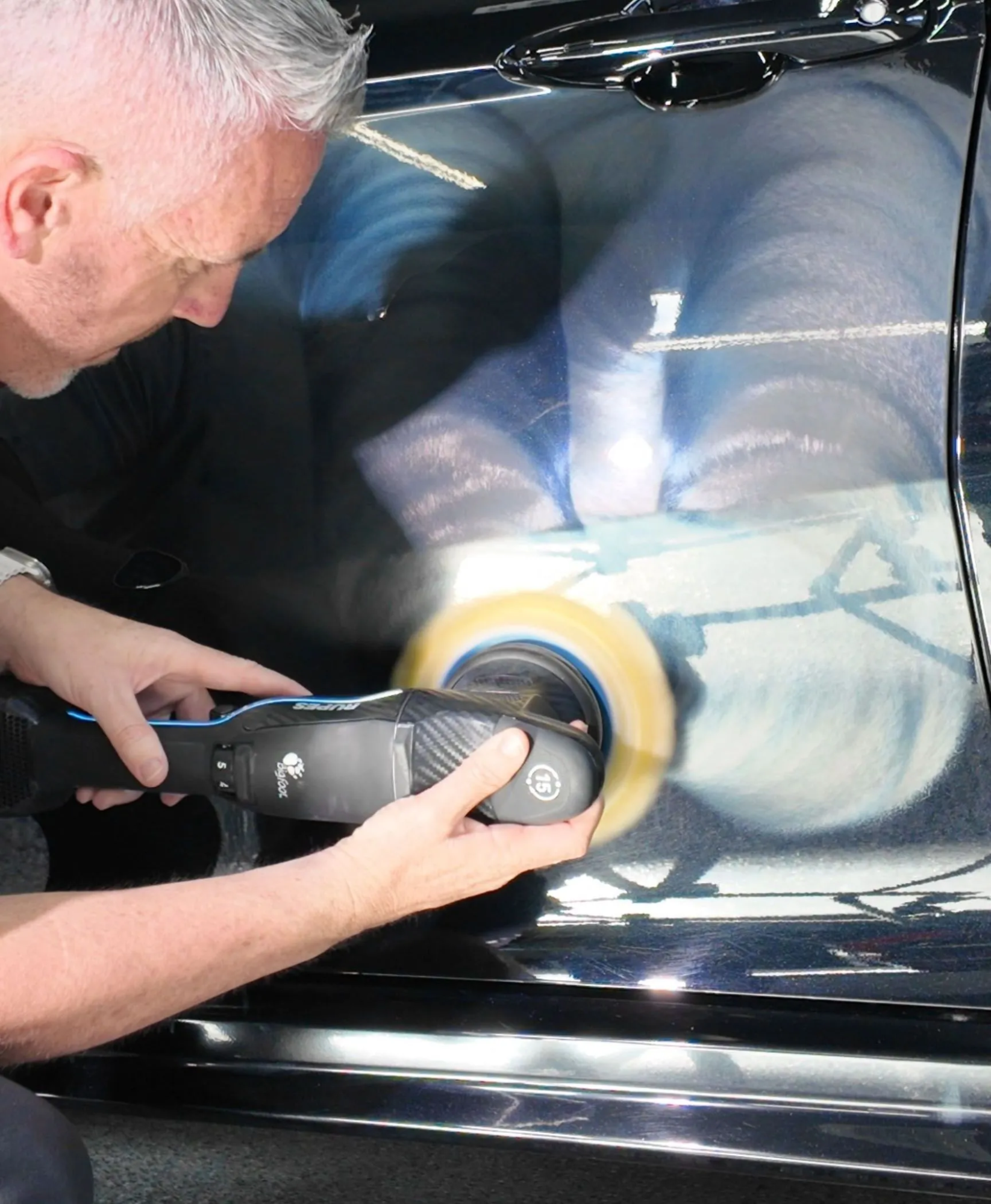
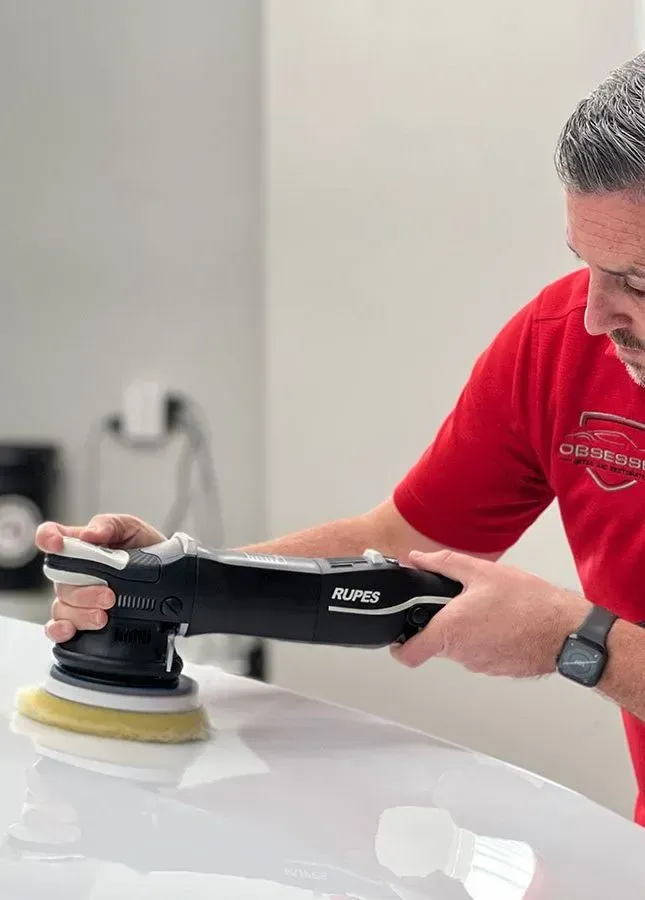
A 2-step paint correction is two machine polishing passes on your car's clear coat. The first pass provides the correction needed to reduce more noticeable swirls and marring. The second pass uses a finer polish to refine the finish, clear the light haze left by the correction stage, and restore gloss.
The number counts passes. It is not a grade of quality, and it is not a fixed package. Keep that in mind when you read a recommendation. A single-stage job on the right paint is the right amount of work, not less.
Key Takeaways
- The number of correction steps comes out of the assessment, not before it.
- Defect severity, remaining clear coat, paint response, and your goals shape the plan.
- Swirls that look alike can sit at different depths in the clear coat.
- Extra stages remove more clear coat and are not automatically better.
- Ask what was found on your paint, not which package you need.
How a Detailer Decides the Number of Steps
A correction starts with an inspection, before any machine touches the paint. The point is to understand the damage and build a plan for that specific car. Swirl removal isn't a one-size-fits-all job, so the number only makes sense after that. A detailer weighs four things, and each one can move the plan toward one step, two, or more.
1. How severe the swirls, marring, and haze are
The first thing a detailer reads is how severe the defects are and how much of the car they cover. Light, isolated swirls create a very different starting point from widespread marring or haze. Visibility helps set an initial expectation, but it doesn't determine the number of stages by itself. The condition of the clear coat, how the paint responds, and the finish you want can all change that initial plan.
2. How much clear coat there is to work with
Correction works by removing a small amount of clear coat, and it does not add any back. That makes paint depth as relevant as paint condition. A detailer considers it before deciding how far to go. Paint with thin remaining clear coat may not tolerate an aggressive approach, no matter how the swirls look. In that case, a careful detailer chooses a gentler plan and accepts that some deeper defects may remain. Keeping the paint sound comes before chasing the last mark.
3. How the paint responds to the least aggressive approach
The goal is to use only as much correction as the paint and the desired finish actually call for. In practice, start lighter. If it clears the defects and restores clarity, the plan stays at one stage. If swirls and marring remain, add a cutting stage, then follow with a refining stage to remove the haze cutting leaves. This is how a two-step becomes the answer. The paint showed that one pass was not enough.
4. The finish quality you want
The right level depends on the paint's condition and on your goals. A daily driver with several years of normal wear often lands at two steps. A car being prepared for a show or a sale may justify more refinement, because the standard for finish quality is higher. Same paint, different target, different plan. So when a level is recommended, ask what was found and what result it aims for. A good answer names both.
Where One-Step, Two-Step and Three-Step Correction Fit
One-step, two-step, and three-step are names for the outcomes of that assessment. One pass is the outcome when a single polish clears the defects. Two passes are the outcome when the paint needs both a cutting pass and a refining pass. A multi-stage plan adds one more pass when the finish calls for further refinement. For what each level involves, see my guide to
one-step, two-step, and three-step paint correction.
Why the Right Number of Steps Matters
Too few stages leave the job unfinished. A single pass does not reach deeper swirl marks and marring, so they stay visible once the car is back in the sun.
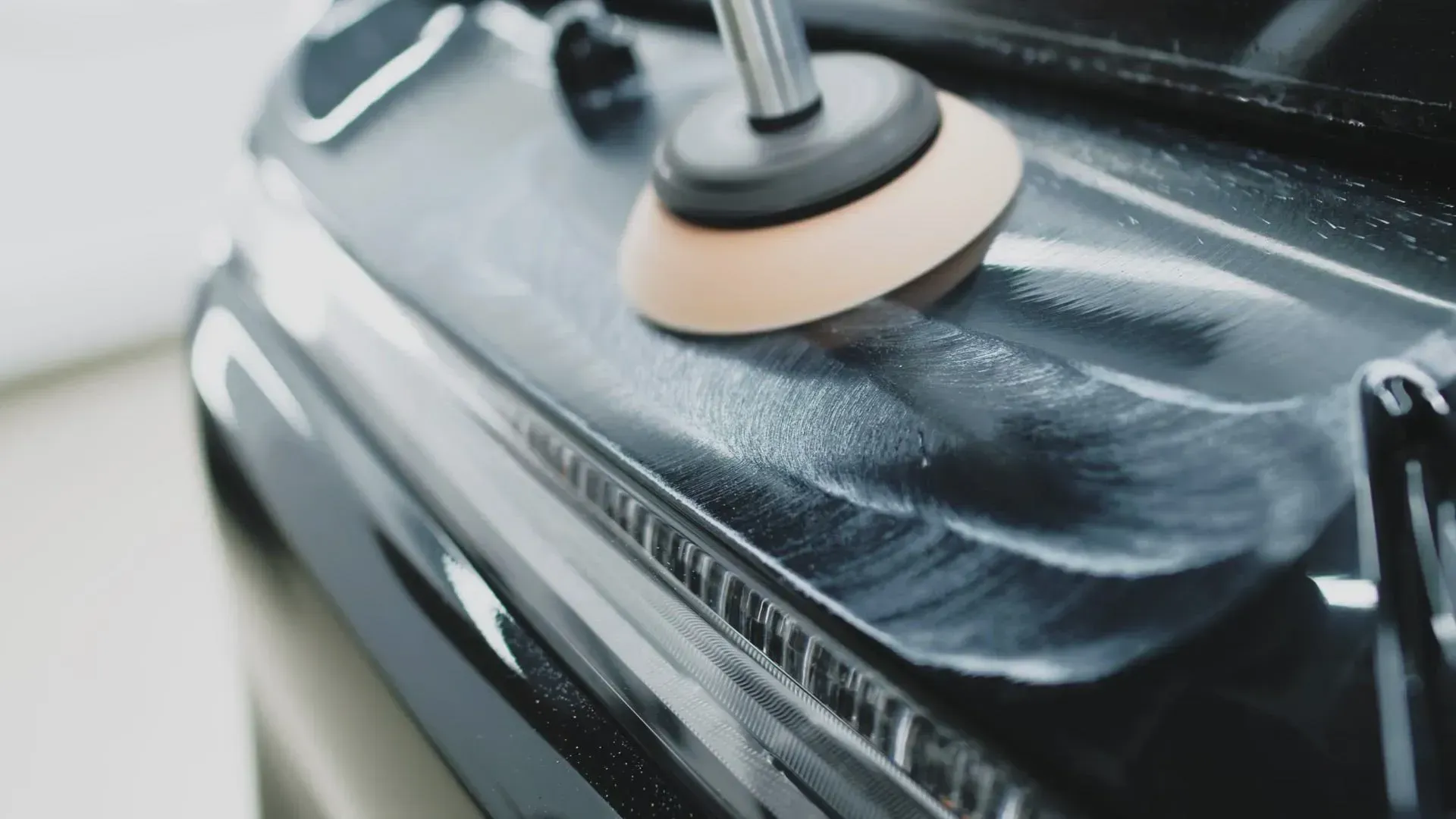
Too many stages have a downside, too. Each added pass removes more clear coat and adds hours. On paint that did not need it, you typically see no gain. More is not automatically better.
Professional
paint correction should remove only as much clear coat as necessary to achieve the intended result. That is why the level should match what the paint actually needs rather than adding stages without a clear benefit.
Questions About How a Correction Level Is Decided
Why would two detailers recommend different numbers of steps for the same car?
The level depends on the paint's condition and the finish you want, and not all detailers assess those two things with the same care. One may quote from a quick look. Another may inspect the paint closely before naming a level. Paint correction takes skill and knowledge. I go to training classes multiple times a year to stay current on techniques. A recommendation made without a proper inspection has less information behind it, which is why it is worth asking what the detailer actually found.
Can a detailer tell which correction level my car needs from photos?
Photos can give a first impression of how swirled the paint is. They rarely show how deep the defects sit or how much clear coat remains. The level is settled at inspection, before any machine touches the paint. Treat anything based on photos as an estimate that the inspection may confirm or change.
Can the recommended number of steps change after the paint is inspected?
Yes, in either direction. The number follows the assessment, so new information changes it. Paint that responds well to a lighter approach may need fewer stages than expected. Paint with deeper marring may need a cutting stage. Thin clear coat can limit the plan as well, even when the swirls look heavy.
Why might a detailer stop after one stage instead of continuing to two?
Because the goal was reached. If the least aggressive approach clears the defects and restores gloss, a further stage removes clear coat for no visible gain. In that case, a one-step paint correction is the right result, not a shortcut. Stopping there keeps more clear coat on the car.
Why can two cars with similar-looking swirls need different correction plans?
Swirls that look alike can differ in ways you can't see at a glance. The defects may sit deeper in the clear coat on one car. One car may have less clear coat left to work with. The owners may want different levels of finish. Each of those changes the plan, which is why the assessment comes first.
Have Your Paint Assessed Before You Choose a Level
A correction level should follow from what your paint shows, not from a menu. If you have been told your car needs a one-step, a two-step, or more, the useful next question is what the inspection found.
At Obsessed Detail and Restoration, the work begins with that inspection. I'm mobile, so I can come to your home or office, or work from my garage in South Jordan.
Contact us to have your paint assessed and get a recommendation based on what the inspection finds.