Level 1, 2, or 3 Paint Correction: Choosing the Right Service for Your Vehicle's Condition
Not all paint damage is equal, and not all paint corrections require the same approach. Understanding paint correction levels helps you select the right service for your vehicle's specific condition. Choosing appropriately means getting the results you want without over-treating or under-treating your paint.
Professional paint correction at Obsessed Detail and Restoration offers three distinct service levels, each designed for different paint conditions and desired outcomes. Knowing which level matches your situation helps you make informed decisions about your vehicle's care.
What Paint Correction Actually Does
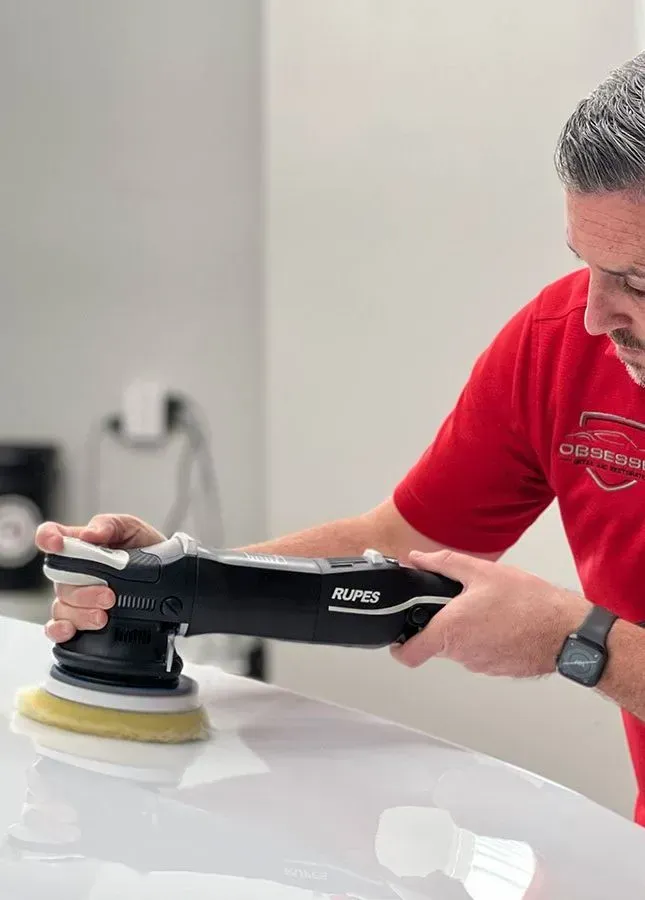
Paint correction services remove defects from your clear coat through controlled polishing processes.
Your vehicle's paint consists of multiple layers, with a clear coat on top providing gloss and protection. Surface defects like swirl marks, oxidation, water spots, and light marring live in this clear coat layer. Correction removes microscopic amounts of clear coat, leveling the surface until defects disappear.
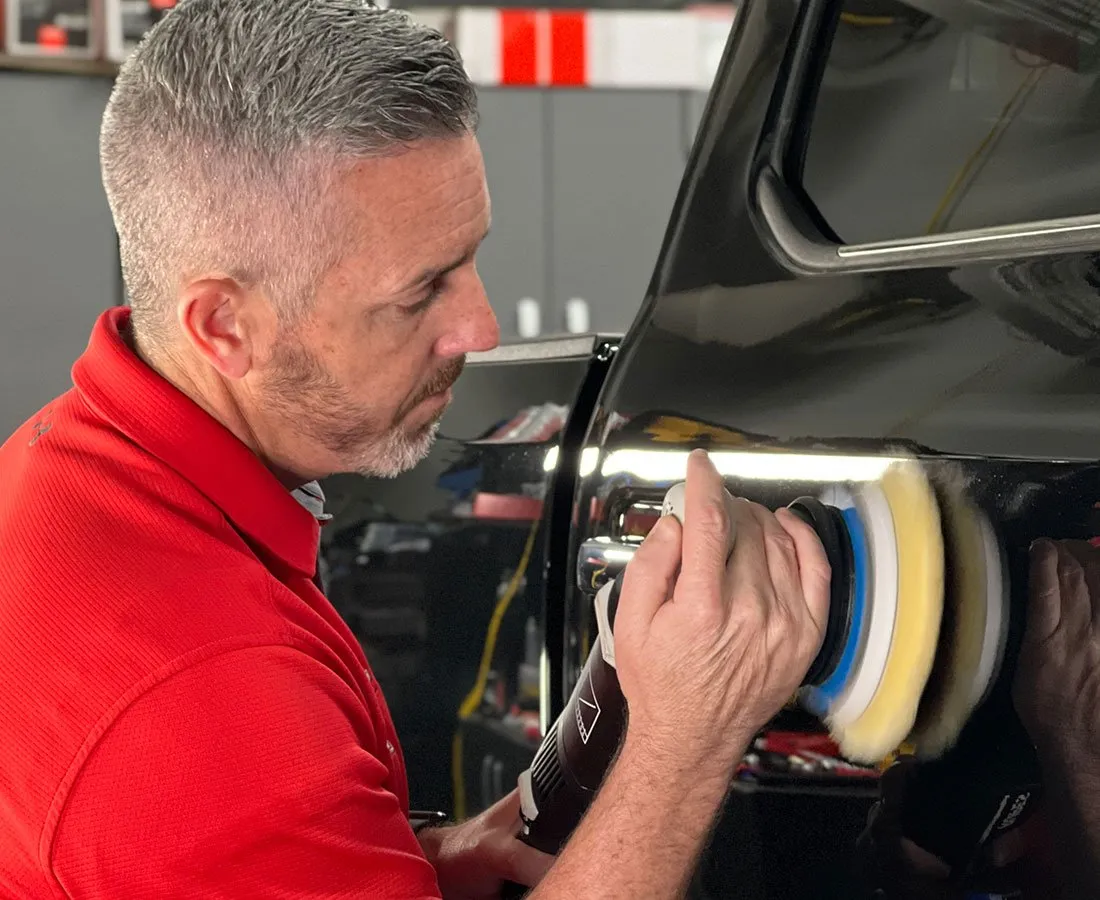
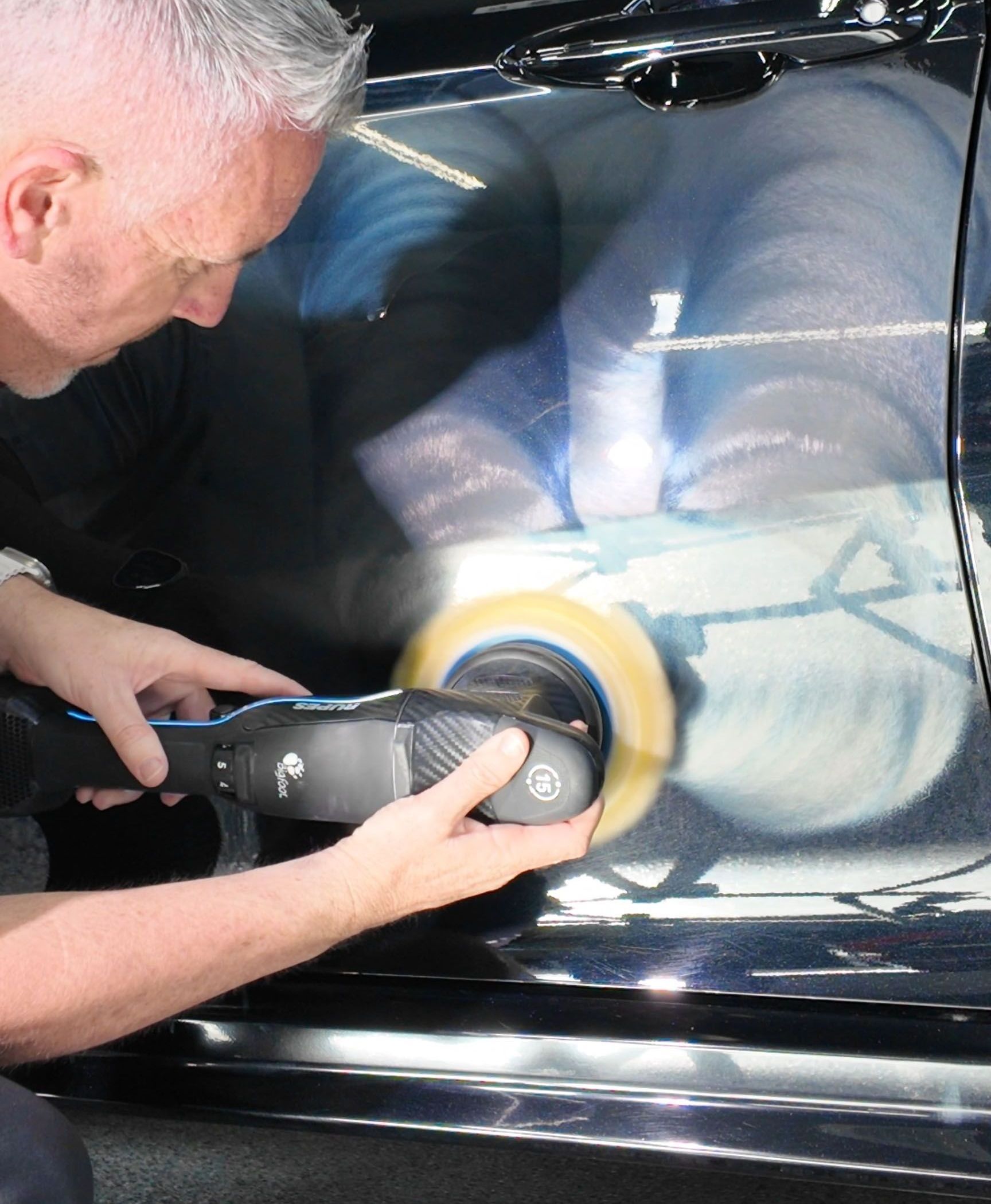
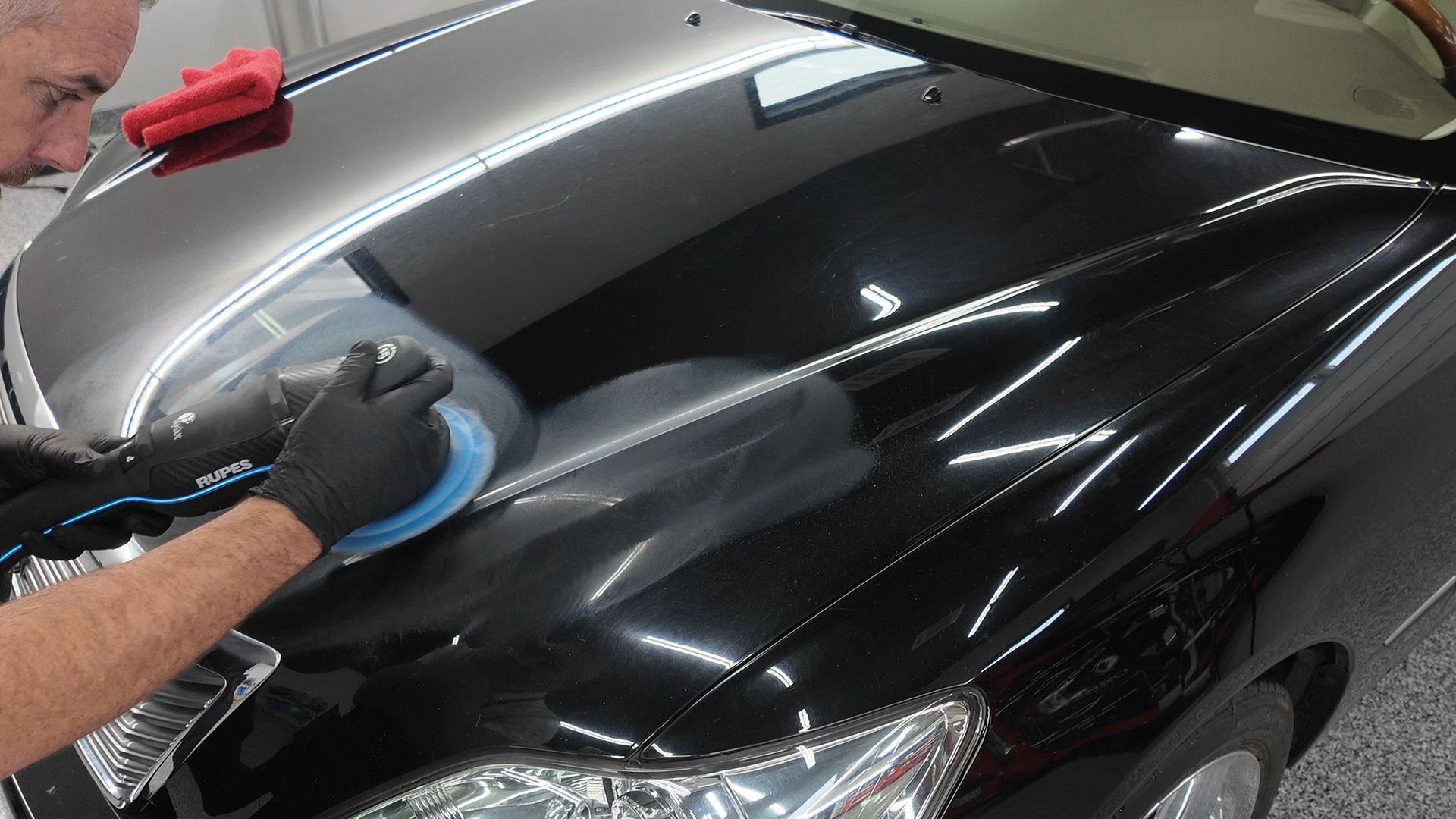
The process uses polishing compounds containing abrasive particles. Combined with machine action and professional technique, these compounds cut into the clear coat, removing the damaged layer to reveal undamaged paint beneath. Different defect severities require different levels of correction intensity.
Understanding this helps explain why correction levels exist. Light defects need minimal material removal. Heavy defects require more aggressive cutting. Matching correction intensity to defect severity protects your clear coat while achieving desired results.
Level 1 Paint Correction: Light Enhancement
Level 1 paint correction uses a single-stage polishing process targeting 70%+ defect removal.
This entry-level correction addresses light to moderate paint imperfections. The single polishing stage removes the most visible defects while preserving maximum clear coat thickness. Level 1 works well for vehicles with relatively good paint needing enhancement rather than restoration.
Ideal candidates for Level 1 correction include newer vehicles with light swirl marks, well-maintained paint with minor imperfections, vehicles needing preparation before ceramic coating, and paint showing light oxidation or water spotting.
The 70%+ defect removal target means most visible imperfections disappear, but deeper defects may remain partially visible. For many vehicle owners, this improvement is substantial and sufficient. If you're planning a ceramic coating application, Level 1 correction often provides adequate preparation for vehicles with light defects.
Level 2 Paint Correction: Moderate Restoration
Level 2 paint correction uses a two-stage approach combining compound cutting and polish refinement, targeting 80%+ defect removal.
This mid-level service addresses moderate to heavy paint defects through progressive refinement. The first stage uses a cutting compound to remove defects. The second stage polishes the surface, refining the finish and maximizing gloss. This two-step progression achieves deeper paint defect removal than single-stage correction allows.
Level 2 correction suits vehicles with moderate swirl marks accumulated over several years, noticeable oxidation affecting paint clarity, multiple types of surface defects, and paint needing significant improvement without being severely damaged.
The 80%+ defect removal target means substantially more improvement than Level 1. Defects that would remain visible after single-stage correction often disappear completely. The cutting stage removes defects while the polishing stage creates the refined finish that makes corrected paint look exceptional.
Level 3 Paint Correction: Maximum Results
Level 3 paint correction provides comprehensive restoration using a three-stage process of cutting, polishing, and jeweling that targets 90%+ defect removal.
This premium service achieves exceptional results on heavily defected paint. The process starts with heavy cutting to address severe defects, moves to medium polishing for surface refinement, and finishes with jeweling to maximize gloss and optical clarity. This methodical progression delivers results approaching factory-new appearance.
Level 3 correction addresses heavy swirl marks from years of improper care, significant oxidation and paint deterioration, multiple deep defects requiring aggressive correction, and vehicles where maximum results are the priority.
The 90%+ defect removal target represents the practical limit of safe correction. Nearly all visible defects disappear, leaving paint that looks dramatically transformed. Professional assessment ensures your paint has adequate thickness for safe Level 3 correction.
Choosing Your Correction Level
Selecting the right paint correction levels depends on your paint's current condition and your goals.
Consider these decision factors when choosing between levels. Paint condition assessment determines what level your defects require. Your desired outcome affects whether minimum improvement or maximum perfection matters most. Future protection plans influence whether correction serves as coating preparation or a standalone service.
- Choose Level 1 when your paint shows light defects and you want noticeable improvement. This level works well for newer vehicles, well-maintained paint, or preparation before ceramic coating when defects are minor.
- Choose Level 2 when your paint has moderate defects and you want significant improvement. This level suits vehicles showing several years of wear, noticeable swirl patterns, or oxidation affecting appearance.
- Choose Level 3 when your paint has heavy defects, and you want maximum possible improvement. This level addresses severely neglected paint, dramatic transformations, or situations where near-perfect results matter.
Professional assessment at
Obsessed Detail and Restoration helps determine which level your vehicle needs. Inspection under proper lighting reveals defect severity that guides the recommendation.
After Correction: Protecting Your Results
Correction alone doesn't prevent future defects. Protection preserves your corrected finish.
Freshly corrected paint provides the ideal surface for ceramic coating application. The smooth, defect-free clear coat bonds perfectly with coating products. SB3 ceramic coating then protects that perfected surface against future environmental damage.
Without protection, corrected paint begins accumulating new defects immediately. Proper washing technique helps, but coating provides active defense that keeps your corrected finish looking better longer.
Mobile service brings professional correction and coating to your South Jordan area location. Whether your vehicle needs Level 1 enhancement or Level 3 restoration, professional service delivers the results your paint requires.
Ready to determine which correction level your vehicle needs? Contact Obsessed Detail and Restoration for a professional assessment and discover how paint correction can transform your vehicle's appearance.
Frequently Asked Questions
How do I know which paint correction level my vehicle needs?
Professional inspection under proper lighting reveals defect severity that determines the appropriate correction level. Light swirl marks and minor imperfections typically need Level 1 correction. Moderate swirl patterns with noticeable oxidation suit Level 2. Heavy defects from years of neglect or improper care require Level 3. Assessment considers both defect severity and remaining clear coat thickness to ensure safe, effective correction.
What does the percentage in defect removal actually mean?
The percentage indicates how many visible defects the correction process removes. Level 1 targeting 70%+ removal means most visible imperfections disappear, but some deeper defects may remain partially visible. Level 2 at 80%+ removes substantially more. Level 3 at 90%+ achieves near-complete defect elimination. These targets represent realistic outcomes based on safe correction practices that preserve adequate, clear coat.
Can I start with Level 1 and upgrade later if needed?
Yes, starting with Level 1 correction is reasonable if you're uncertain about your needs. However, progressive correction over multiple sessions removes more total clear coat than selecting the appropriate level initially. Professional assessment helps avoid this by recommending the right level from the start based on your paint's current condition and your desired outcome.
How long does each paint correction level take to complete?
Completion time varies based on vehicle size, paint condition, and defect severity. Level 1 single-stage correction requires less time since it involves one polishing pass. Level 2 two-stage correction takes longer due to the compound cutting and polish refinement steps. Level 3 three-stage correction requires the most time because of the comprehensive cutting, polishing, and jeweling process. Professional assessment provides realistic expectations based on your specific vehicle and chosen correction level.
Will paint correction damage my clear coat or make it too thin?
Professional paint correction removes only the minimum clear coat necessary to eliminate defects. Each level is designed to achieve its target defect removal while preserving adequate clear coat thickness. Level 1 removes the least material, Level 2 removes more, and Level 3 removes the most. Before Level 3 correction, professional assessment confirms your paint has sufficient thickness for safe treatment. Proper technique ensures your clear coat remains healthy with adequate thickness for future protection needs.