When someone talks about paint correction, you might hear the terms compounding and polishing used together or even interchangeably. But they're not the same thing. Each stage does something different to your paint surface, and understanding that difference helps you appreciate why proper correction takes the time it does.
I see this confusion regularly. Owners bring their vehicles in thinking a quick buff will solve everything. The reality is more involved. Compounding vs polishing represents two distinct phases of work, each with its own purpose in achieving the results you want. Let me break down what actually happens during each stage.
What Compounding Does to Your Paint
Compounding is the cutting stage of paint correction. It's where the heavy work happens.
When your clear coat has defects like swirl marks, oxidation, etching, or light surface damage, those imperfections exist because the surface is uneven. The damaged areas catch light differently than the surrounding paint, which is why you see those frustrating marks. Compounding levels that uneven paint surface by abrading away the damaged layer.
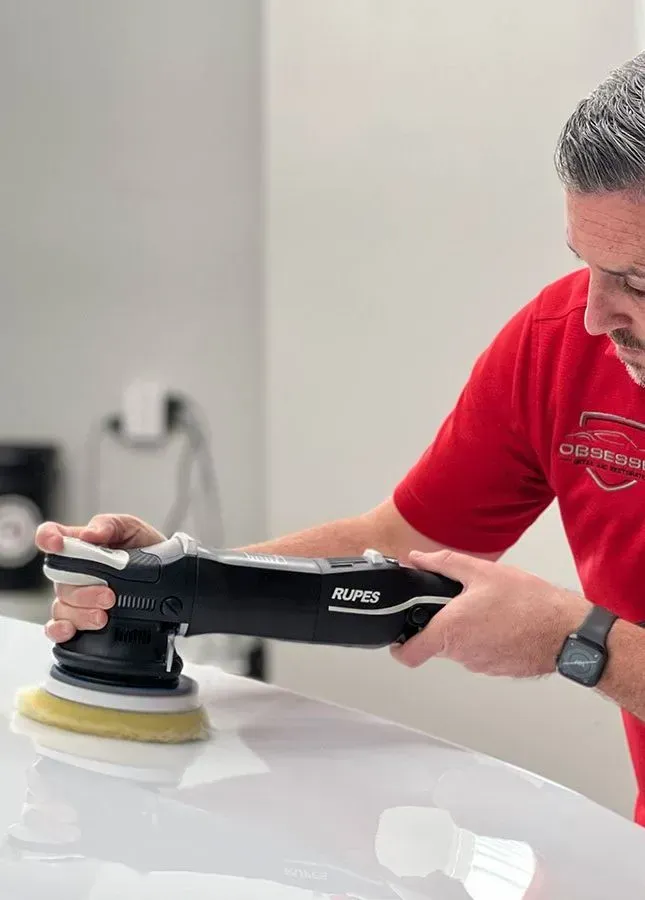
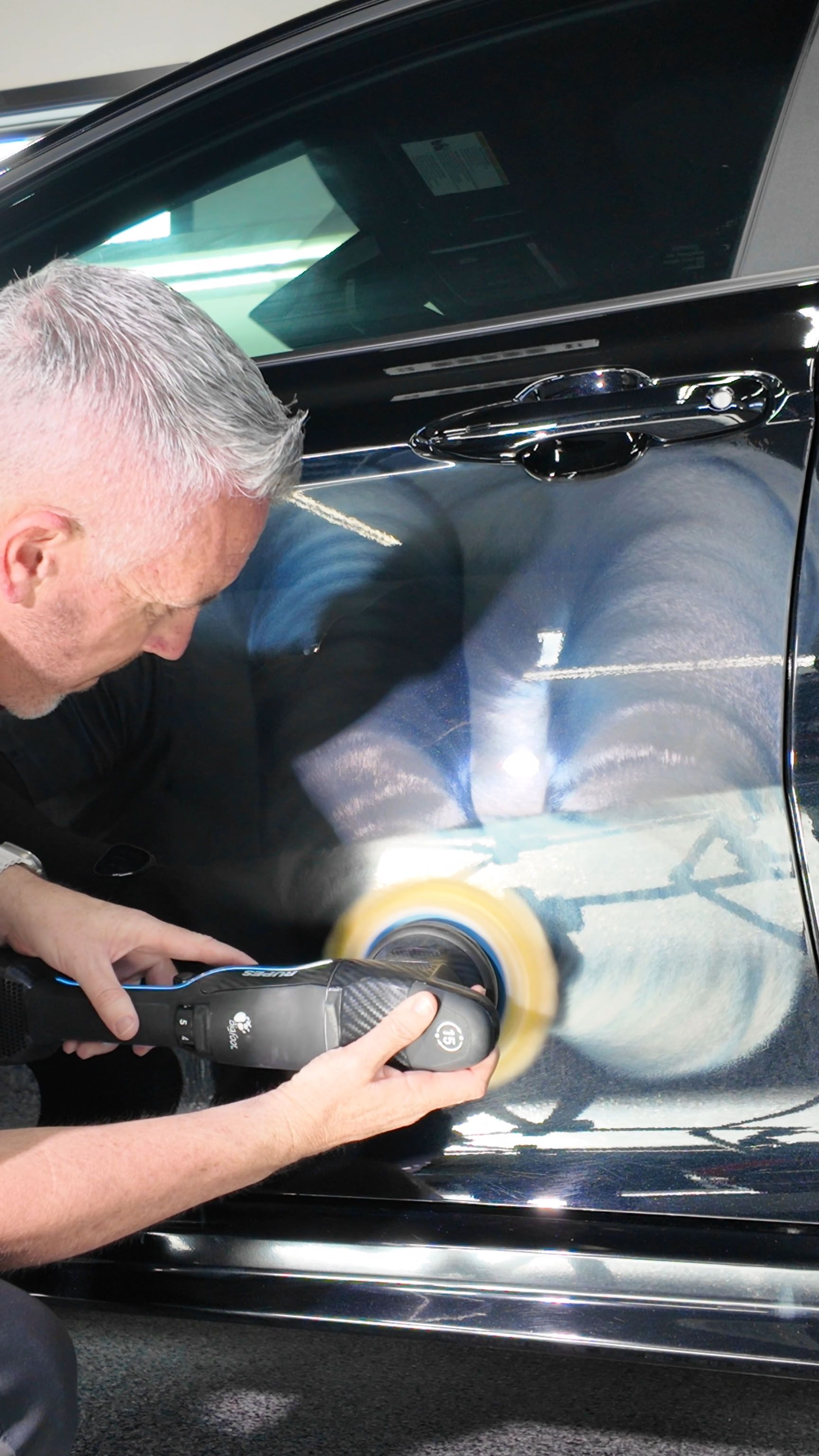
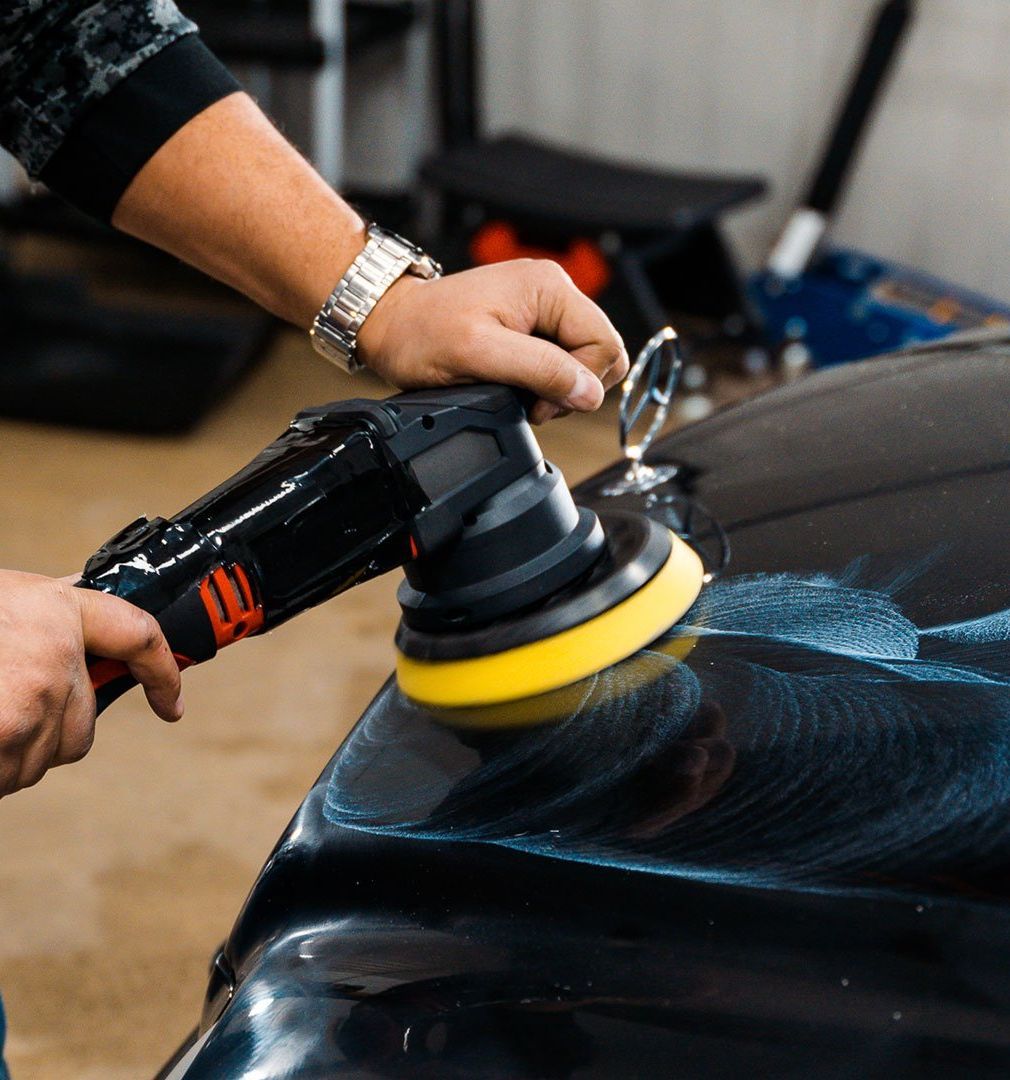
The process uses machine polishers with abrasive compounds that actually remove a thin layer of clear coat. This cutting action eliminates the defects by taking them off entirely rather than hiding them. It's controlled and precise work, but it does involve material removal from your finish.
This is why compounding matters so much for real defect removal. Without this stage, deeper imperfections would remain no matter how much you polish. The compound does the heavy lifting that makes everything else possible.
Professional
paint correction at different levels involves varying degrees of compounding. Lighter defects need less aggressive cutting. Heavier damage requires more. The condition of your paint determines how much compounding work is necessary.
What Polishing Does Differently
If compounding is about cutting, polishing is about refining.
After the compound stage removes defects, the paint surface isn't finished. The cutting action leaves behind its own marks, often called haze or micro-marring. These aren't the original defects, but they dull the finish and prevent that deep gloss you're looking for.
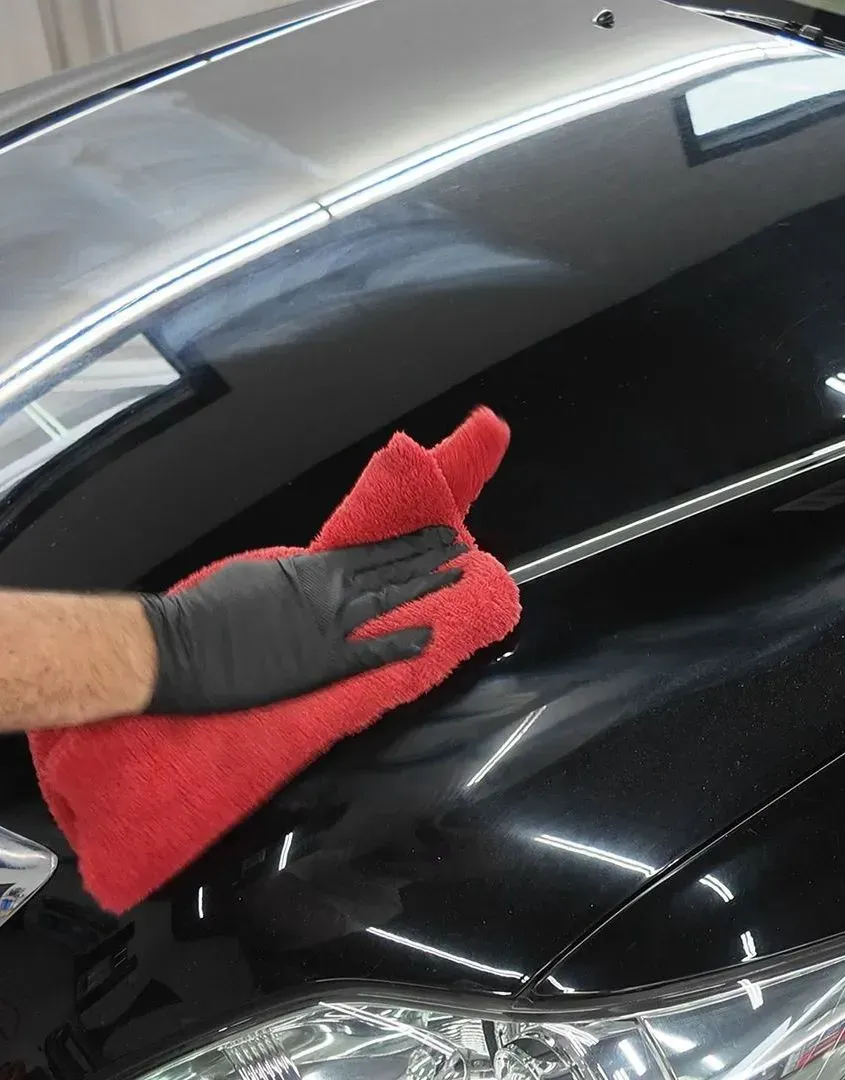
Polishing uses gentler abrasives to refine the surface after compounding. It removes the haze left by the cutting stage and progressively smooths the clear coat. This refining process is what actually brings up the shine and clarity that makes corrected paint look better than new.
Think of it this way. Compounding fixes the problems. Polishing reveals the results. Without polishing after compounding, you'd have a defect-free surface that still looks flat and hazy. The polish is what unlocks the depth and reflection.
Why the Order Matters
You can't reverse these stages. Polish before compound and you've wasted time because the defects are still there. Compound without polishing and you've done the hard work without finishing the job.
The sequence exists because each stage prepares for the next. Compounding creates a level paint surface free of the original defects. Polishing refines that surface to maximize gloss and clarity. Attempting to combine these into a single step compromises both.
Some lighter corrections can be done in a single stage where a medium abrasive handles both cutting and refining together. Our Level 1 correction takes this approach for paint that hasn't accumulated significant damage. But for moderate to heavy defects, separating the stages produces better results.
This is why Level 2 correction specifically uses a two-stage compound and polish approach targeting 80%+ defect removal. The compound addresses the damage. The polish brings up the finish. Each stage does its job.
Three-Stage Correction Adds Jeweling
For paint with severe defects, even the two-stage approach may not achieve the finish you want. Level 3 correction uses cutting, polishing, and jeweling as three distinct stages, targeting 90%+ defect removal. The jeweling stage uses the finest abrasives to maximize the final gloss and produce an exceptional reflective quality.
This progression shows how each stage builds on the last. Cutting levels the surface. Polishing refines it. Jeweling perfects it. Skipping stages or rushing through them shows in the final result.
How Professionals Decide What Your Paint Needs
Not every vehicle needs the same level of work. The decision depends on your paint's current condition and what results you're trying to achieve.
Light swirl marks visible only in direct sunlight may respond to single-stage polishing alone. Moderate defects visible in various lighting conditions typically need the two-stage compound and polish approach. Heavy damage covering most panels usually requires all three stages.
Professional assessment involves examining your paint surface under different lighting to understand what defects exist and how deep they go. At Obsessed Detail and Restoration, we evaluate each vehicle individually because the right approach depends entirely on what we're working with.
What Happens After Correction
Once compounding and polishing are complete, your paint needs protection. The correction process has revealed fresh, flawless clear coat now exposed to environmental factors.
All our paint correction packages include paint sealant application. For longer-term protection, ceramic coating provides a durable barrier that preserves your results and makes maintenance easier.
Understanding the Craft
Compounding vs polishing isn't just terminology. It represents the difference between removing problems and revealing results. Both stages serve essential purposes in achieving a finish that looks deep, clear, and free of imperfections.
When you understand these stages, you understand why correction takes time and expertise. It's not a quick buff. It's a methodical process of cutting, refining, and protecting that transforms your paint surface panel by panel.
Ready to restore your vehicle's finish?
Contact Obsessed Detail and Restoration to discuss which correction level matches your paint's condition and your goals.
Frequently Asked Questions
What is the main difference between compounding and polishing?
Compounding uses aggressive abrasives to cut away defects from your clear coat. Polishing uses finer abrasives to refine the surface afterward. Compounding removes the problems while polishing brings up the gloss. Both stages serve different purposes and work together to achieve corrected paint.
Can polishing alone remove swirl marks and defects?
Light surface defects may respond to polishing alone, which is why single-stage correction exists. However, moderate to heavy swirl marks, oxidation, and deeper damage require compounding first. Polishing refines the surface but cannot remove defects that sit deeper in the clear coat.
Why does paint look hazy after compounding?
The cutting action of compounding leaves behind micro-marring as it abrades away defects. This haze is normal and expected after the compound stage. The polishing stage that follows removes this haze and brings up the gloss and clarity that compounding alone cannot produce.
How do professionals decide how much compounding is needed?
Assessment involves examining your paint under different lighting to identify defect types and depths. Light defects need minimal cutting while heavy damage requires more aggressive compounding. The goal is removing enough material to eliminate defects without removing more clear coat than necessary.
Does every paint correction include both compounding and polishing?
Level 1 correction uses single-stage polishing for light defects. Level 2 uses two-stage compound and polish for moderate damage. Level 3 adds jeweling after cutting and polishing for severe defects. The level your paint needs depends on its current condition and desired results.