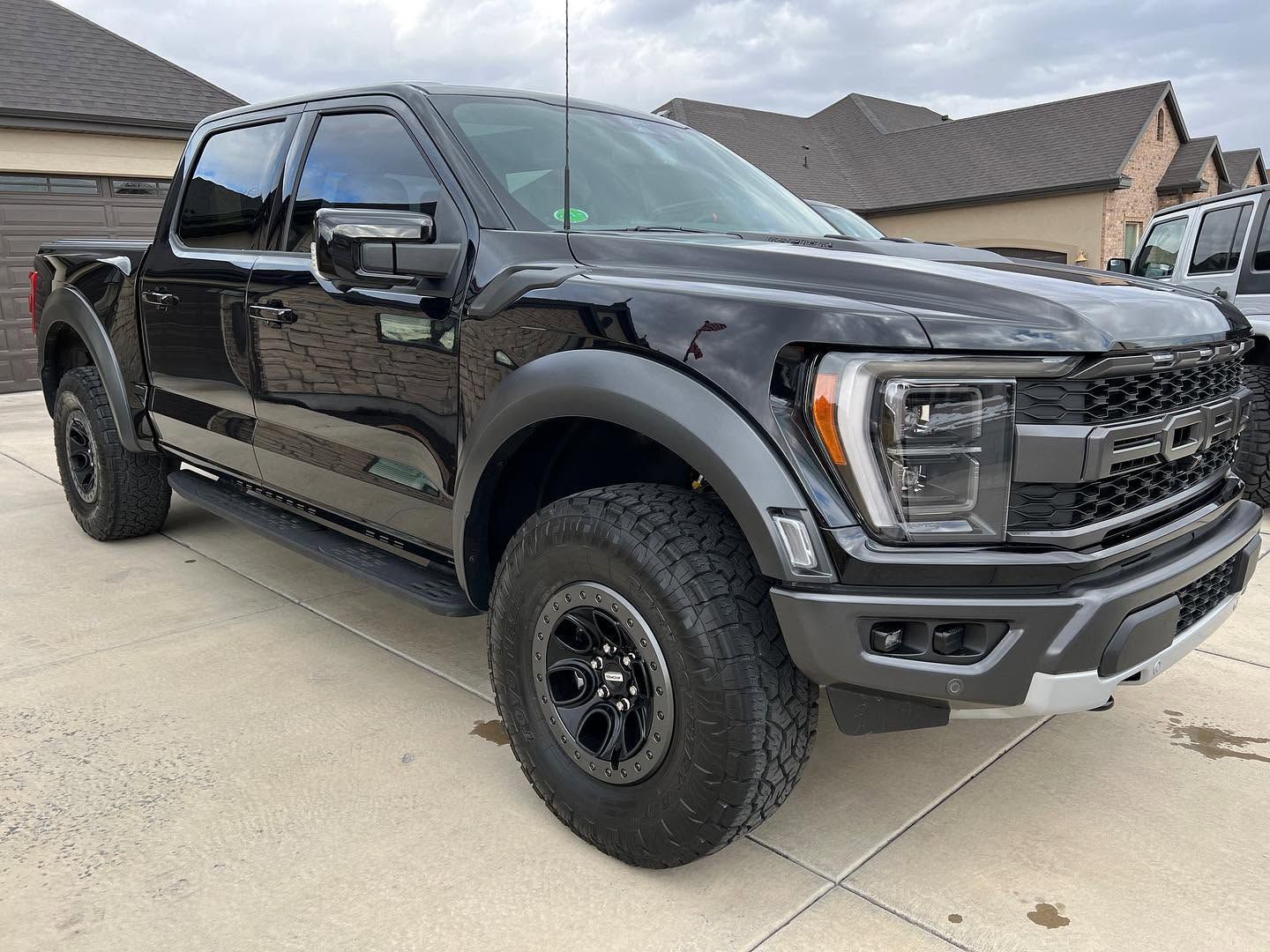
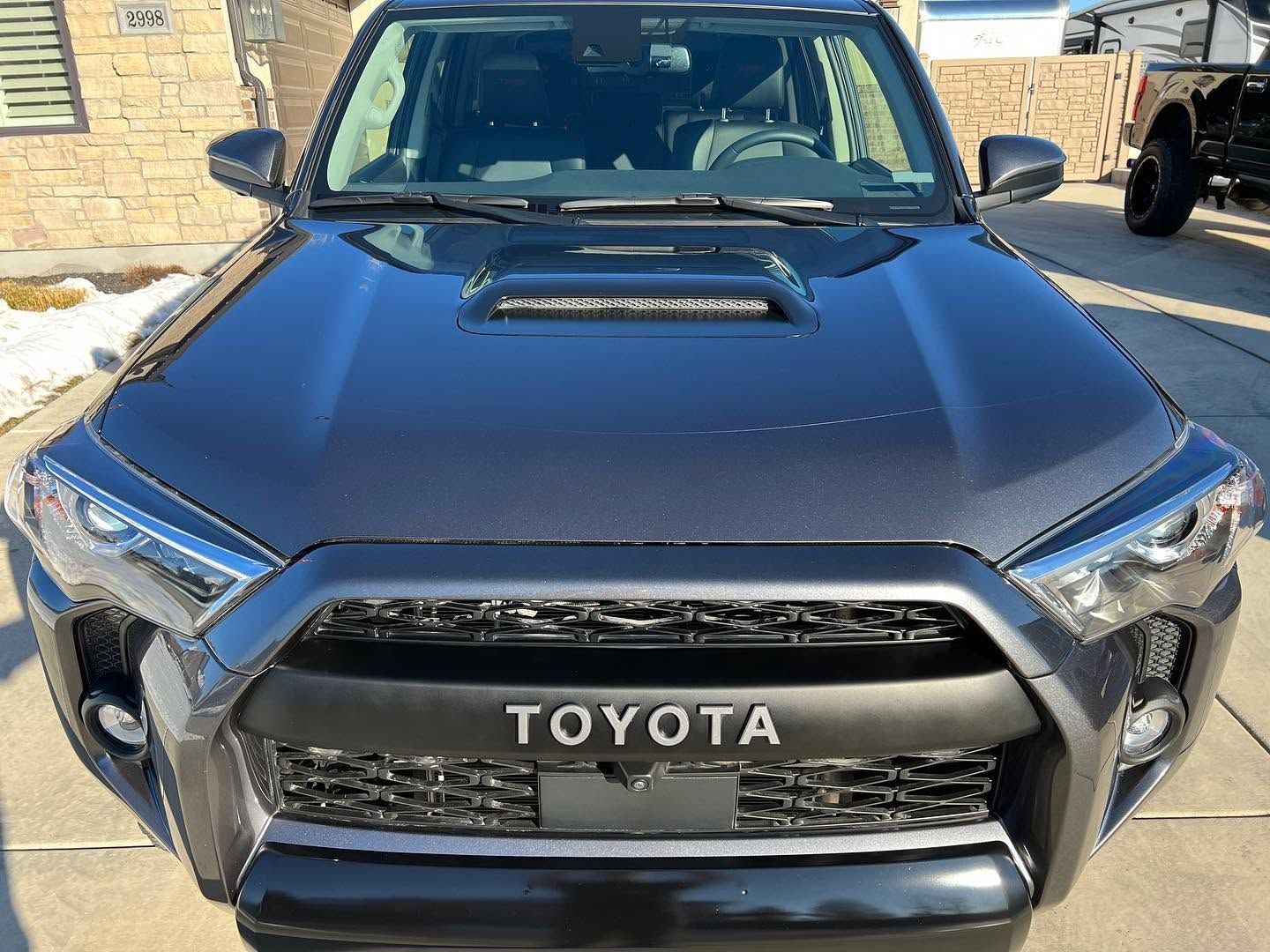
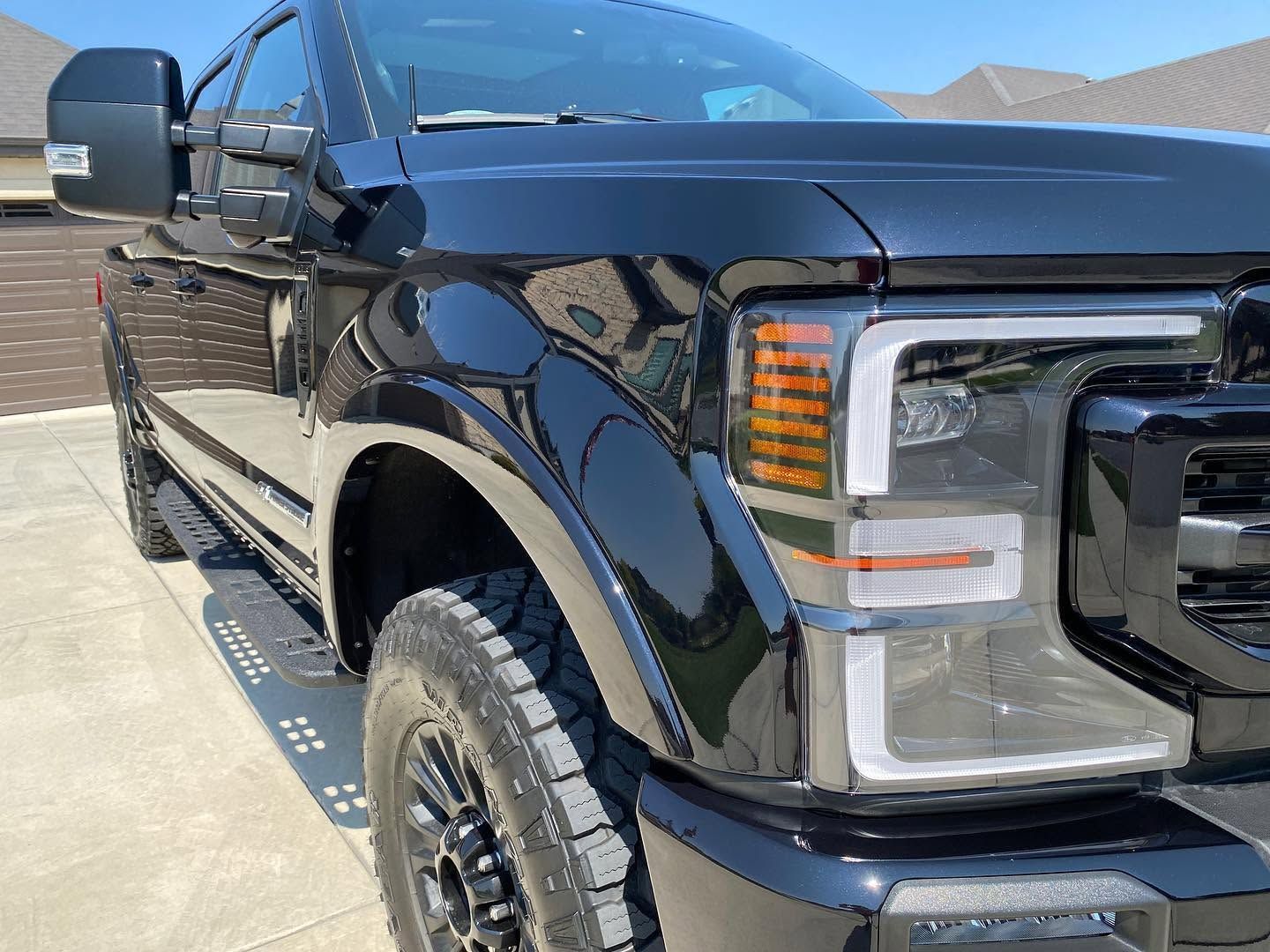
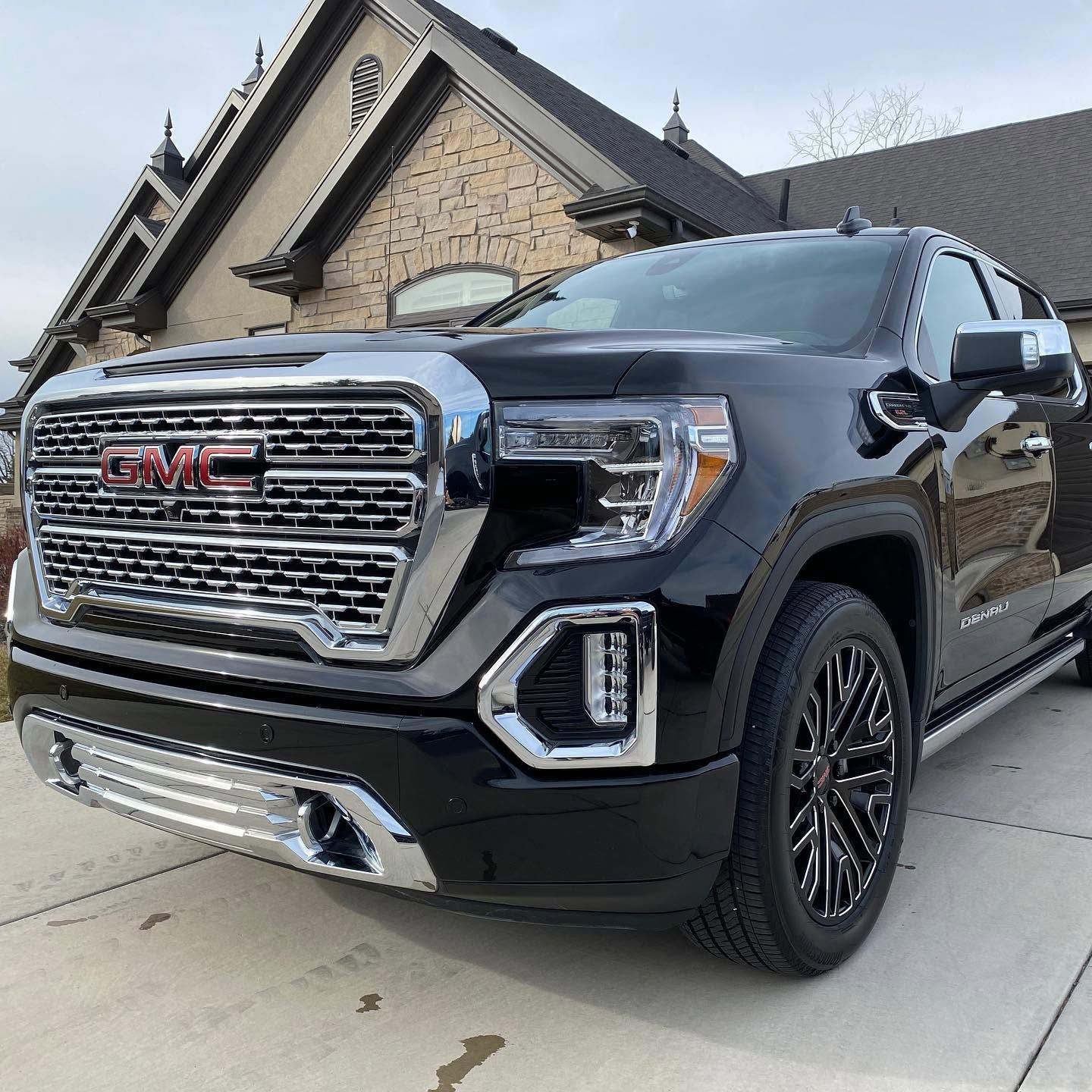
Most ceramic coating content shows sports cars sitting in climate-controlled garages. That is not reality for the truck hauling materials to job sites or the sedan logging highway miles five days a week. Those vehicles face a different kind of wear. They collect road grime from construction zones, catch salt spray on winter commutes, and sit in parking lots baking under the sun between uses.
Ceramic coating for vehicles that actually work for a living makes more sense than coating a weekend car that rarely leaves the garage. A work truck or commuter faces constant exposure to the elements. Every mile adds more contamination to the paint. Every week without protection means more time scrubbing during the next wash. Protection on a hard-used vehicle pays off faster because that vehicle takes more punishment.
I see this regularly with customers here in South Jordan and across the Salt Lake Valley. Someone brings in their truck after a few years of job site duty, and the paint tells the whole story. Tree sap spots that baked in. Bird droppings that etched before they could be washed off. Dirt that settled into every seam. The difference between protected and unprotected paint shows up quickly on a vehicle that gets used every day.
This is not about keeping a show car perfect. It is about making
daily use easier and keeping your truck or commuter looking respectable without fighting it every weekend.
Why Daily Drivers and Work Trucks Need Protection Most
Vehicles that sit in garages face minimal environmental exposure. But a truck or commuter that works every day encounters everything Utah throws at it.
Consider what your vehicle sees in a typical week:
- Road grime kicked up from highway travel and construction areas
- Salt and magnesium chloride during winter months
- Bug splatter on summer highway drives
- Tree sap from parking under whatever shade you can find
- Bird droppings that land while you are at the job site or office
- UV exposure from sitting in parking lots all day
- Dust and dirt that settles into every panel gap
A work truck encounters most of these every single day. A commuter hits the highway twice daily, picking up grime both directions. Without protection, all of this bonds to your paint. Washing becomes a battle instead of a quick task.
Ceramic coating creates a hydrophobic surface that causes water, mud, and contamination to bead up rather than stick. When you do wash, the process takes less effort because less has actually bonded to the paint. For someone who uses their vehicle hard and does not have unlimited time for upkeep, this matters.
How Protection Makes the Easy Wash Possible
The hydrophobic properties of ceramic coating change how your vehicle handles contamination during daily use. When water hits a coated surface, it beads and rolls off instead of sheeting and sitting. It takes contamination with it.
Here is what that means practically:
- Melted snow, slush, and rainwater bead up and run off the paint
- Dirt and road grime rinse away more easily during regular washing
- Bug splatter comes off with less scrubbing
- Dust does not settle into the paint as aggressively
The coating creates a slick surface that contamination cannot grab onto the same way it grabs bare or waxed paint. You still need to wash your vehicle. But washing becomes faster and easier because you are dealing with contamination sitting on top of protection rather than bonding directly to clear coat.
For a commuter logging highway miles daily, this translates to quicker weekend washes. For a work truck that gets dirty constantly, it means the grime does not build up into something that requires aggressive cleaning to remove.
This is not magic. Coating does not eliminate the need for maintenance. But it reduces the effort each wash requires, and over the life of your vehicle, that adds up to real time savings.
Protection Against What Utah Roads Deliver
Utah presents specific challenges that affect how long your paint stays looking good.
Salt and winter chemicals: The state uses both salt and magnesium chloride on roads during winter. Both are corrosive. Both stick to your paint, wheels, and undercarriage. Ceramic coating provides chemical resistance that helps protect against these winter road treatments. The hydrophobic surface also means less sticking in the first place.
Intense UV exposure: At elevation, UV radiation is stronger. Paint oxidizes and fades faster. Coated paint has UV protection built in, which helps maintain color and gloss longer than unprotected paint.
Acid rain and environmental fallout: Industrial areas, freeway pollution, and general air quality issues leave deposits on your paint. Coating resists these contaminants better than bare clear coat or traditional wax.
Bird droppings and tree sap: These are acidic and etch into paint quickly, sometimes within hours in hot weather. Coating provides a barrier that gives you more time to remove them before permanent damage occurs. They also release more easily when you do clean them off.
For a vehicle that sits outside at a job site or spends all day in a parking lot, these exposures are constant. Protection that handles them without requiring constant reapplication makes practical sense.
The Difference Between Wax and Professional Coating
Traditional wax and synthetic sealants need reapplication frequently. Depending on the product and conditions, you might be reapplying every few weeks or months. For someone who barely has time to wash their vehicle, regular wax applications simply do not happen.
Professional ceramic coating bonds differently. Unlike wax or traditional sealants, it does not wash off or wear away from normal use. You maintain it with proper washing techniques rather than repeated applications.
Here is what proper maintenance looks like:
- Use a gentle, pH-balanced shampoo instead of harsh detergents
- Wash with a soft microfiber mitt rather than brushes or rough materials
- Avoid automatic car washes with harsh brushes that can mar the coating
- Dry properly to prevent water spots
- Park in shade or covered areas when possible
You can also use ceramic coating boosters periodically to enhance the hydrophobic effect between professional maintenance visits. But the fundamental protection remains without requiring you to reapply product constantly.
For a work truck owner who needs their vehicle to look presentable for meeting clients but has no time for constant upkeep, this approach fits. For a commuter who wants their daily driver to maintain its appearance without becoming a weekend project, it fits as well.
What the Application Process Involves
Professional ceramic coating is not a quick spray-on product. At Obsessed Detail and Restoration, the process includes thorough preparation before any coating touches your paint.
Before coating application, your vehicle goes through:
- Complete wash and clay bar treatment
- Paint decontamination to remove embedded contamination
- Deep cleaning of wheels and wheel wells
- Cleaning and conditioning of tires
- Any necessary paint correction to address existing defects
Ceramic coating does not fill or hide swirl marks, marring, or other paint defects. It locks in whatever condition your paint is in. This is why proper preparation matters. The time spent preparing the surface determines how good the final result looks.
Coating application happens in a controlled environment. The product needs time to cure before exposure to the elements. This controlled process ensures proper bonding and maximum protection.
Different coating packages offer different longevity. The protection period varies depending on which product you choose, how you maintain the vehicle, and what conditions it faces. There are options that fit different budgets and needs.
Why Professional Work Matters for Hard-Used Vehicles
A truck or commuter that gets used hard benefits most from coating done properly. Consumer-grade products sold at auto parts stores exist, but they come with limitations.
Professional application ensures:
- Complete paint decontamination before coating
- Correction of existing defects so they do not get locked under the coating
- Proper product application in a controlled environment
- Adequate cure time before the vehicle faces real-world conditions
- Consistent coverage across all panels, including difficult areas
A work truck with years of accumulated contamination needs more preparation than a new vehicle. A commuter with swirl marks from improper washing needs correction before coating. Professional work addresses these realities.
I have gone through certification training with the products we use. The techniques and knowledge required to apply coating correctly come from that training, not from watching a few videos. Your vehicle deserves someone who understands the process and stands behind the results.
What to Expect After Coating
Once your vehicle leaves with fresh coating, you will notice the difference immediately. Water behaves differently on the surface. The paint has a depth and gloss that wax cannot match.
More importantly for daily use, you will notice the difference at your next wash. Road grime that would normally require scrubbing releases easily. Bugs that would have needed soaking come off with minimal effort. The whole process takes less time because you are maintaining protection rather than fighting accumulated contamination.
Your vehicle still gets dirty. Coating does not create some force field that repels all contamination. But it changes the relationship between your paint and the environment. Dirt sits on top rather than bonding in. Water carries it away rather than spreading it around.
Over time, this means your paint stays in better condition. Fewer wash-related swirl marks because you are not scrubbing as hard. Less etching from contaminants that sat too long. Better color retention because UV damage is reduced.
For a vehicle that earns its keep through actual use, this represents real value. Not showroom perfection, but practical protection that makes ownership easier.
Getting Started with Protection for Your Vehicle
If your truck hauls equipment to job sites, or your car racks up commuter miles daily, coating makes sense in a way it might not for a garage queen. The protection works hardest on vehicles that face the most exposure.
Here at Obsessed Detail and Restoration, we work with ceramic coating as one of our primary services. We understand what Utah conditions do to paint and how protection helps working vehicles stay presentable.
Whether you drive a work truck through construction zones or a sedan through daily highway traffic, coating can reduce your maintenance burden while keeping your paint protected. The easy wash becomes possible because protection is doing the heavy lifting.
Ready to see what protection can do for your vehicle? Contact us to discuss your situation and find the right approach for how you actually use your truck or daily driver.
Frequently Asked Question
Does ceramic coating work better on trucks than on cars?
Ceramic coating works equally well on trucks and cars because the protection bonds to paint the same way regardless of vehicle type. However, trucks and work vehicles often benefit more from coating because they face harsher conditions during regular use. A truck that visits job sites daily encounters more contamination than a car that stays in a garage. The practical value of protection increases when the vehicle sees more environmental exposure and harder use.
How does ceramic coating help with road grime specifically?
The hydrophobic properties of ceramic coating prevent road grime from bonding directly to your paint surface. When contamination hits a coated vehicle, it sits on top of the protection rather than sticking to the clear coat. During washing, this grime releases more easily because it never formed a strong bond. For daily drivers and work trucks that accumulate road grime constantly, this means faster and easier washing with less scrubbing required to get the vehicle clean.
Can I take my coated truck through an automatic car wash?
Automatic car washes with harsh brushes can mar ceramic coating over time and reduce its effectiveness. The abrasive action of the brushes creates fine surface damage that affects the coating's performance. For best results, hand washing with proper techniques works better. If automatic washing is your only option, touchless car washes that use only water and soap are safer than brush-based systems. Proper maintenance helps the coating perform well for its full expected life.
How long does ceramic coating last on a daily driver?
Longevity depends on the specific coating package, how the vehicle is maintained, and what conditions it faces. Vehicles that receive regular proper washing and maintenance retain their coating longer than neglected vehicles. Harsh conditions, frequent contamination, and improper cleaning can reduce coating life. Different protection packages offer different durations, so choosing the right option depends on your usage patterns and how long you want protection to last.
Is ceramic coating worth it for an older work truck?
Ceramic coating can be worthwhile for older work trucks, but paint correction may be needed first. Coating locks in the current condition of your paint, so any existing swirl marks, oxidation, or damage remains visible under the coating. For an older truck with accumulated wear, professional paint correction before coating produces better results. Once coated, the truck becomes easier to maintain and resists further deterioration from environmental exposure and regular use.