If you've invested in paint protection film, you probably want to keep it looking its best. That's a reasonable goal. But when it comes to maintenance, the advice you find online can be confusing. Some sources say polishing is fine. Others warn against it completely. And wax? That gets even more mixed messages.
Let me clear this up. The short answer to can you polish paint protection film is: it depends on how you do it and what you're trying to accomplish. Film behaves differently than bare paint, and understanding that difference is the key to proper film care that protects your investment rather than damaging it.
Why Film Behaves Differently Than Paint
Paint protection film isn't just a clear layer sitting on top of your paint. It's a self healing material designed to absorb impacts and recover from minor surface damage on its own. When you apply heat, whether from the sun or warm water, light marks in the film can disappear as the material relaxes back to its original state.
This self healing property is one of the main reasons you invested in paint protection film in the first place. But it also means you need to think differently about maintenance compared to caring for unprotected paint.
With bare paint, polishing removes a thin layer of clear coat to eliminate defects. That approach works because paint doesn't regenerate. Film does regenerate to some extent, which means aggressive polishing can actually work against the material's natural recovery process.
The Truth About Polishing Protected Panels
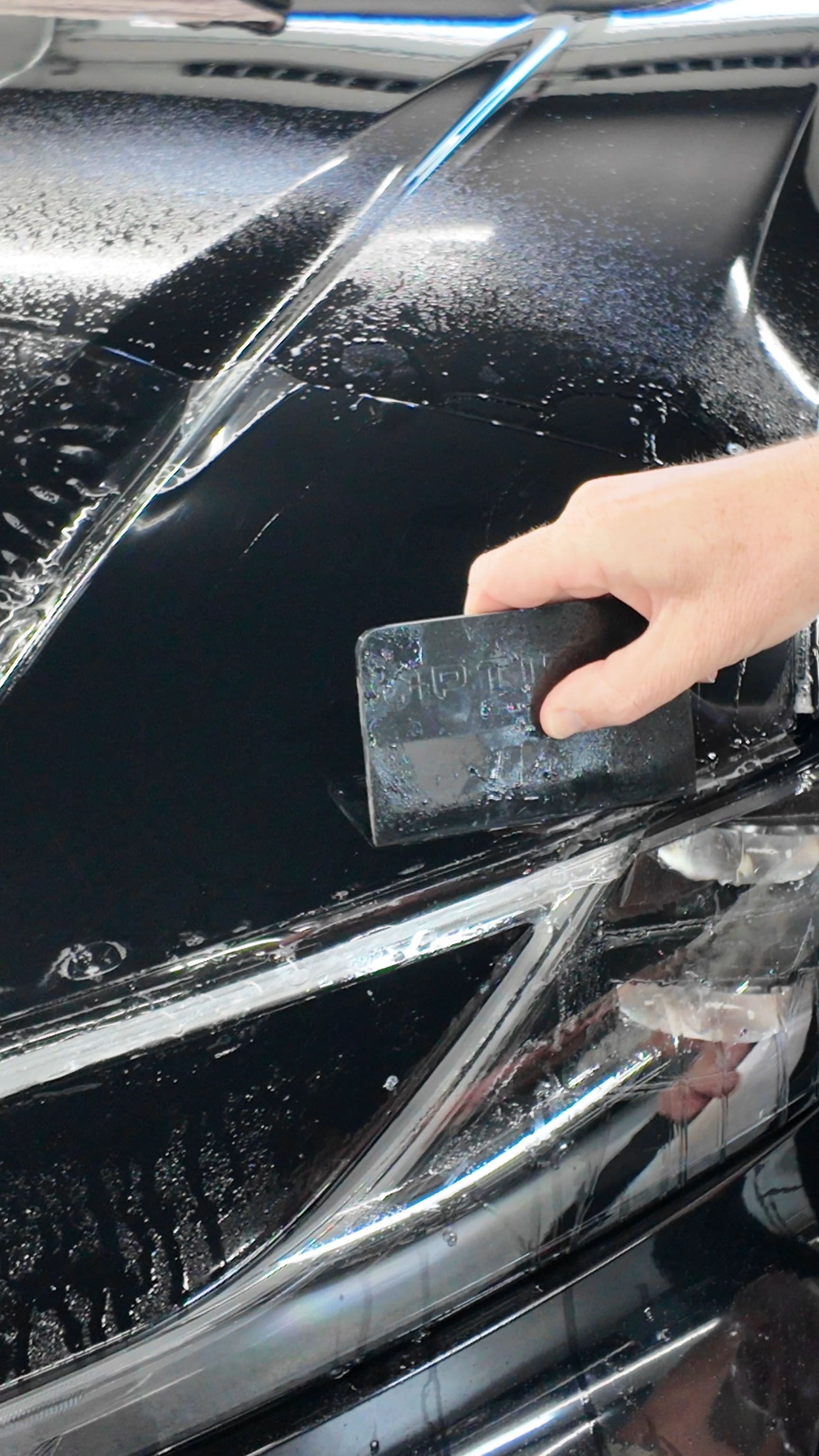
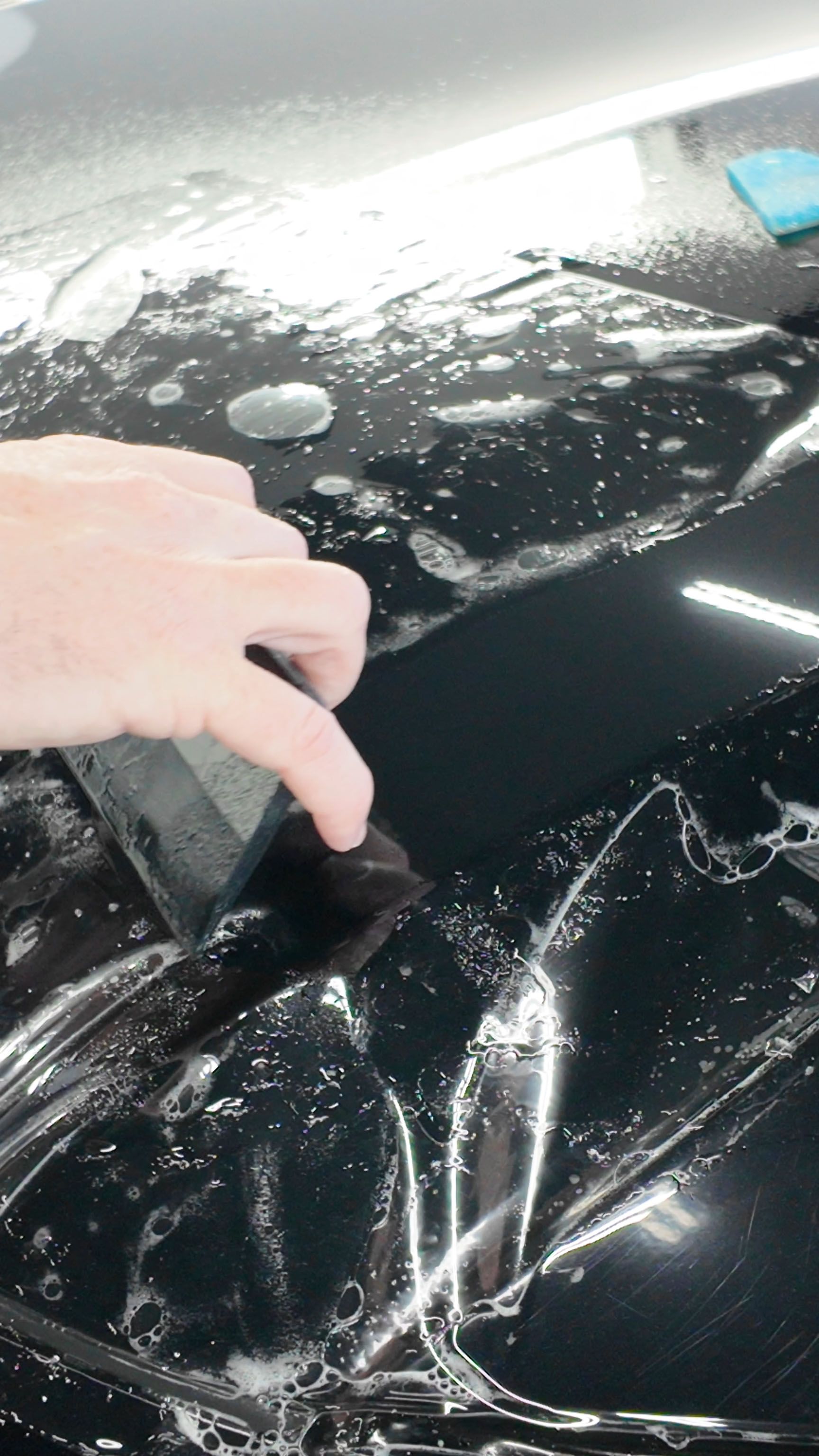
Here's what you need to know about polishing film: aggressive compounds and machine polishing with cutting pads can damage the protective layer. Unlike paint correction on bare clear coat, where removing material is the point, removing material from film compromises its protective function and appearance.
Light polishing with non-abrasive products is generally safe and can help maintain shine on filmed surfaces. But this isn't the same as the correction process used on unprotected paint. You're not cutting into the surface. You're gently cleaning and enhancing what's already there.
The self healing properties of quality film handle most light surface marks without any intervention. Minor swirls that would require polishing on bare paint often disappear from film after sun exposure or a warm rinse. This is by design, and it's one of the reasons proper upkeep for filmed vehicles looks different than maintenance for unprotected finishes.
What About Wax on Film?
Wax sits on top of whatever surface you apply it to, creating a temporary layer. On film, wax doesn't harm the protective material, but it also doesn't provide the same benefits it would on bare paint.
Film already has hydrophobic properties built into its surface layer. Quality film features nanoparticles that help water bead and sheet off while amplifying surface gloss. Adding wax on top of that can actually interfere with these properties rather than enhancing them.
If you want to boost shine and water behavior on your filmed panels, products specifically designed for film work better than traditional wax. These formulas complement the film's existing properties rather than masking them.
The Right Approach to Film Care
Proper maintenance for paint protection film focuses on gentle cleaning and avoiding anything that could damage the surface. Here's what actually works for keeping your film looking its best.
Hand washing is essential. Automatic car washes with brushes and harsh chemicals can exhaust the film's ability to recover from surface contact. The combination of abrasive brushes and aggressive detergents creates more stress than film is designed to handle repeatedly. Hand washing with pH-neutral products protects your film while keeping it clean.
Use soft materials only. Microfiber wash mitts and towels are safe for film surfaces. Stiff brushes, abrasive sponges, and rough materials can create damage that even self healing film cannot fully recover from.
Dry properly to prevent water spots. Water left to evaporate on film can leave mineral deposits that affect appearance over time. Drying your vehicle after washing prevents these spots from accumulating.
Be gentle around film edges. The edges where film meets bare paint need careful attention during cleaning. Rough handling in these areas can encourage lifting over time.
Professional detailing services understand these requirements and use techniques that protect your film while achieving a thorough clean.
Regular Inspections Matter
Part of proper upkeep includes regularly checking your film's condition. Look at high-impact areas like the hood, fenders, bumper, and mirrors. Check for any lifting at edges, bubbling, or damage that might need professional attention.
Minor issues caught early are often simple to address. Problems left unattended can worsen and potentially allow debris or moisture underneath the film, which compromises protection and appearance.
Obsessed Detail and Restoration can assess your film's condition and address any concerns before they become bigger problems. Professional inspection gives you confidence that your protection is performing as intended.
When Professional Help Makes Sense
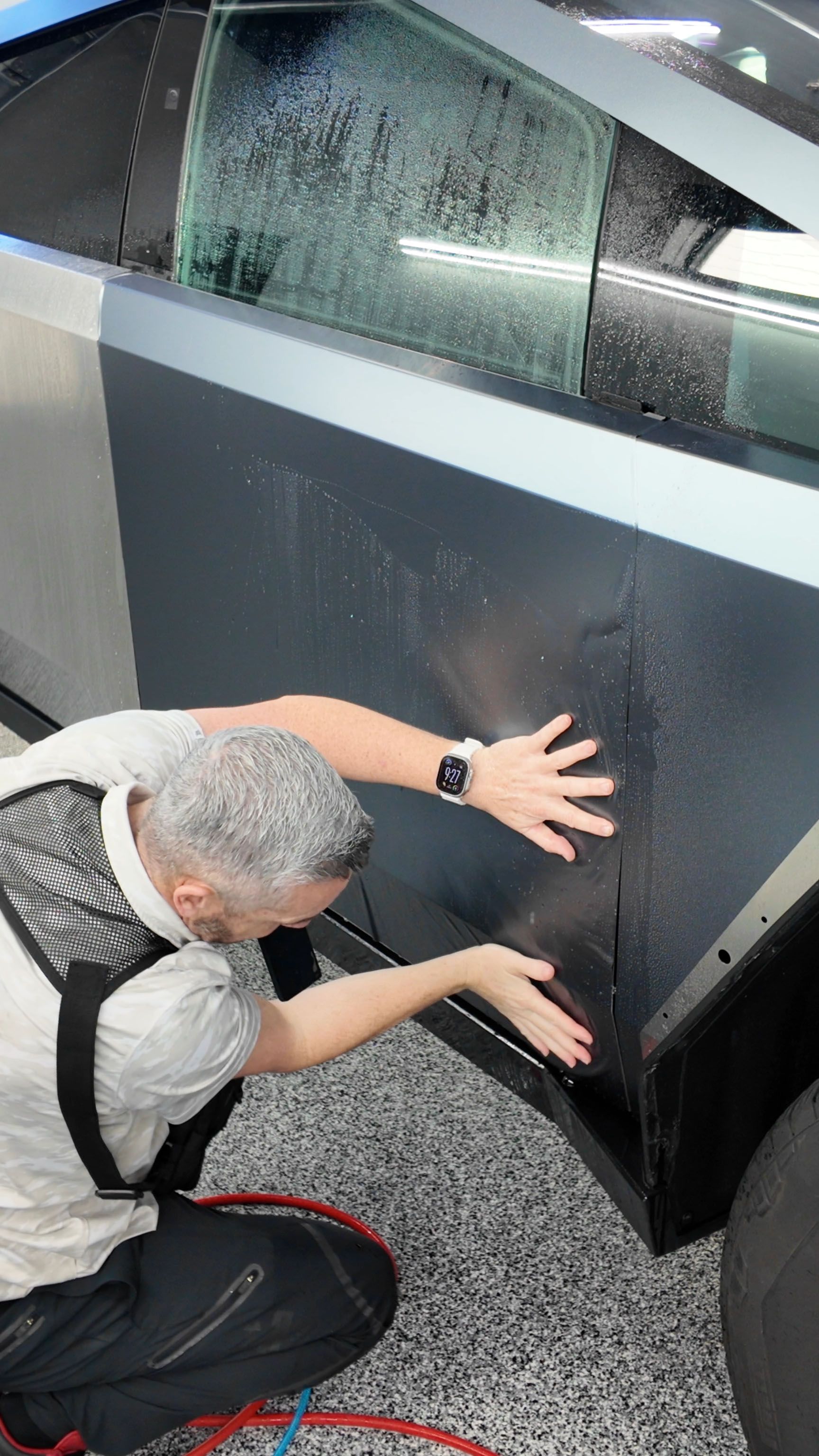
Some film issues require professional attention rather than at-home solutions. If you notice persistent marks that don't respond to the self healing process, or if edges are starting to lift, it's time to consult someone who works with film regularly.
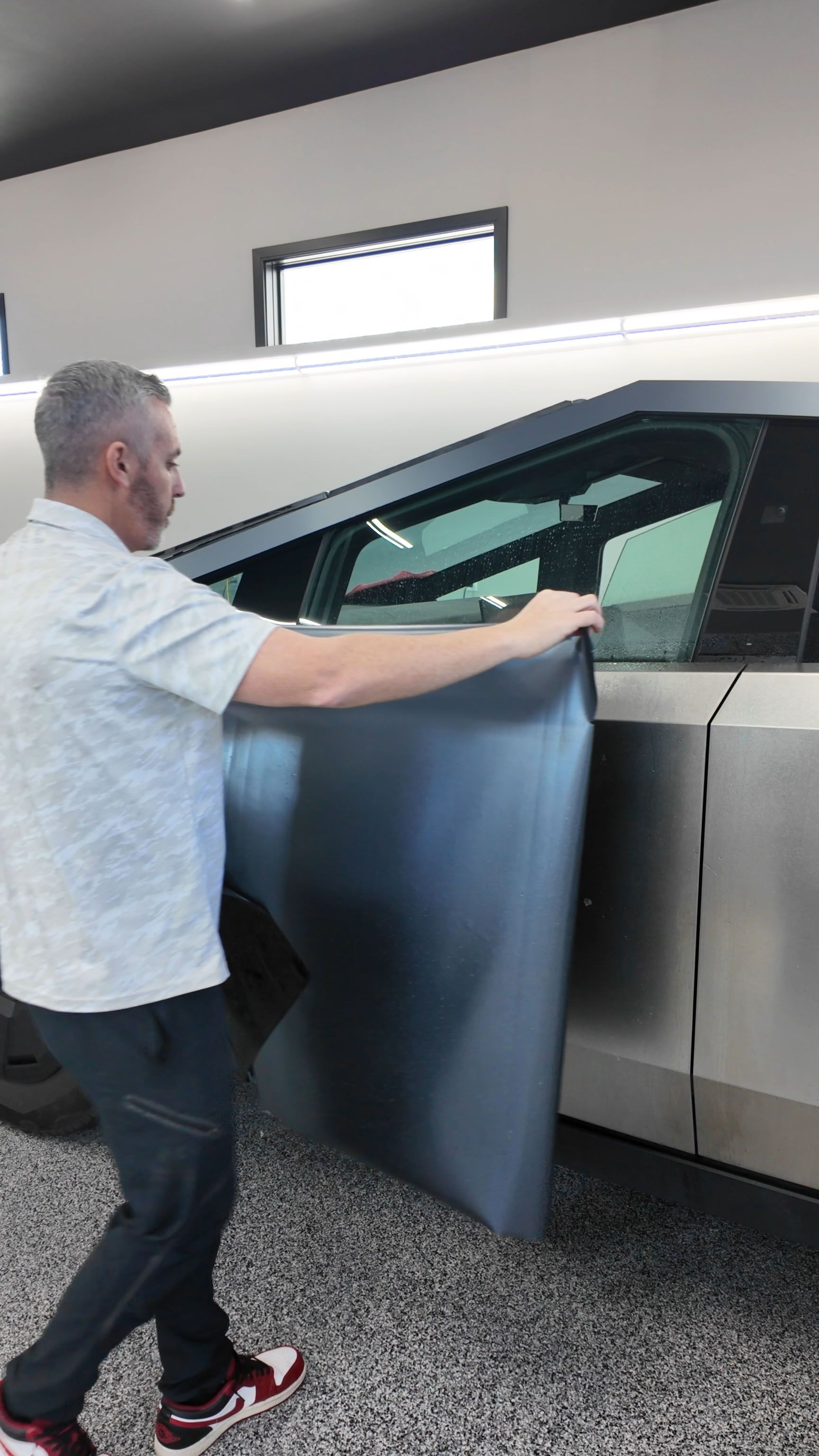
Professional maintenance can restore appearance and address problems that home care cannot fix. This might include addressing contamination that has bonded to the surface, correcting issues with edges, or replacing sections of film that have been damaged beyond recovery.
The goal is preserving your investment. Film protects your paint from chips, stains, and UV damage. Keeping the film itself in good condition ensures that protection continues working for you.
Ready to discuss proper care for your protected vehicle? Contact Obsessed Detail and Restoration for guidance specific to your situation and film type.
Frequently Asked Questions
Can you polish paint protection film without causing damage?
Light polishing with non-abrasive products is generally safe for film. Aggressive compounds and machine cutting will damage the protective layer. Unlike bare paint where polishing removes defects, film has self healing properties that handle minor marks naturally. Gentle cleaning and enhancement work better than correction-style polishing.
Does waxing paint protection film provide any benefit?
Wax won't damage film, but it provides limited benefit. Quality film already has built-in hydrophobic properties and surface gloss enhancement. Wax can interfere with these properties rather than improve them. Products designed specifically for film maintenance work better than traditional wax formulas.
How does the self healing feature actually work on film?
Self healing film contains materials that relax and recover when exposed to heat. Minor swirls and light marks disappear as the film returns to its original smooth state. Warmth from sunlight or warm water activates this process. The feature handles most light surface damage without any manual intervention required.
What products should I avoid when cleaning paint protection film?
Avoid harsh chemicals, abrasive cleaners, and acidic solutions. Stiff brushes and rough sponges can damage the surface beyond recovery. Automatic car washes with aggressive brushes stress the film repeatedly. Use pH-neutral cleaners and soft microfiber materials for safe and effective film maintenance every time.
How often should I inspect my paint protection film?
Regular inspections help catch issues early. Check high-impact areas like hood, fenders, bumper, and mirrors for lifting, bubbling, or damage. Professional assessment provides thorough evaluation of film condition. Catching minor problems early prevents them from worsening and maintains your protection investment effectively.