Your car looks clean after a wash. It might even shine. But run your hand across the paint, and you will often feel something the eye misses. A gritty texture. Tiny bumps. Rough patches that should be glass-smooth. That is contamination bonded to your clear coat, and no amount of regular washing removes it.
Paint decontamination is the step that happens between washing and any real protection work. It removes what washing cannot touch. Without it, whatever coating or film you apply goes over a compromised surface. The protection bonds to contamination instead of clean paint, and that affects everything from adhesion to longevity to final appearance.
I explain this to customers regularly here in South Jordan and across the Salt Lake Valley. They bring in a vehicle for ceramic coating or paint protection film, and they assume washing is the prep work. Washing is where we start, but it is nowhere near where we finish. What happens between that wash and the first drop of coating is what separates a job that lasts from one that fails early.
This is the hidden work. You do not see it in the finished result. But it determines everything about how that result holds up over time.
What Washing Actually Removes
A proper hand wash does important work. It takes off loose dirt, dust, mud, and surface grime. It removes what sits on top of your paint.
But washing has limits. Water and soap cannot break the bond between your clear coat and contamination that has chemically or mechanically attached itself. Some things stick too well.
Here is what washing handles:
- Loose dirt and dust sitting on the surface
- Mud and road splash that has not yet bonded
- Fresh bug splatter before it has baked in
- Pollen and light environmental debris
- Recent bird droppings if caught quickly
And here is what washing leaves behind:
- Embedded contaminants that have bonded to the clear coat
- Industrial fallout from brake dust, rail dust, and manufacturing particles
- Tree sap residue that has cured into the paint
- Mineral deposits from hard water
- Tar and road film bonded deep into the surface
- Overspray from nearby painting or construction
The difference matters because coating or film applied over this contamination does not bond properly to your actual paint. It bonds to whatever sits between itself and your clear coat. That weaker bond affects durability and performance from day one.
Why Embedded Contaminants Matter
When contamination bonds to your paint, it becomes part of your paint's surface until something removes it. This changes the texture of your clear coat from smooth to rough.
You can feel the difference. After a wash, run a clean hand across a fender or hood. If you feel grit, bumps, or any texture that is not perfectly slick, contamination has bonded there. Even a vehicle that looks spotless often feels rough to the touch.
This texture creates problems for protection:
- Coating cannot lay flat against an uneven surface
- Film adhesion suffers when particles sit beneath it
- The finished look lacks the depth and clarity of properly prepared paint
- Protection wears unevenly because the bond varies across the surface
Fallout is one of the worst offenders. These are tiny metal particles from brake pads, rail transport, and industrial processes. They land on your paint and begin oxidizing. As they rust, they embed deeper into your clear coat. Left long enough, they cause visible rust spots that start below the surface.
Utah vehicles deal with significant fallout exposure. Highway driving near industrial areas, parking near rail lines, and even normal brake dust accumulation all deposit these particles on your paint. A vehicle driven regularly accumulates contamination constantly, even when it looks clean.
The Surface Prep Process
Professional paint decontamination follows a sequence designed to remove different types of contamination layer by layer.
Washing comes first. Before any decontamination, the vehicle receives a thorough hand wash to remove loose dirt. This prevents grinding debris into the paint during subsequent steps. Wheels, wheel wells, and tires get deep cleaned at this stage as well.
Chemical decontamination addresses bonded contamination. Professional-grade solutions dissolve fallout, tar, and other bonded substances without damaging the paint. These solutions break down contamination that no amount of scrubbing could safely remove. The process targets what has attached itself to your clear coat.
Mechanical decontamination follows. This typically involves a clay bar process that physically lifts embedded contaminants from the clear coat. The clay grabs particles that chemical treatment missed and pulls them away from the paint. After this step, the paint should feel completely smooth to the touch.
Final surface preparation. Once contamination is removed, the paint surface is ready for assessment. This is where we check for swirl marks, marring, haze, and other defects that need correction before coating. Any paint correction happens after decontamination because we need a clean paint surface to see what we are working with.
At Obsessed Detail and Restoration, this preparation sequence is standard before any ceramic coating application. There are no shortcuts. Every vehicle goes through the full process because skipping steps shows up in the final result.
What Proper Decontamination Achieves
When decontamination is done correctly, the paint surface transforms.
The texture changes completely. What felt rough and gritty now feels like glass. Your hand glides across the surface without catching on anything. This smooth finicorrsh is what coating or film needs to bond properly.
The appearance improves. Removing contamination that was scattering light reveals more depth and clarity in your paint. Colors look richer. The finish appears more reflective. This happens before any correction or coating work even begins.
Protection can do its job. Ceramic coating bonds directly to clean paint at the surface. When nothing sits between the coating and your clear coat, the bond forms correctly. This proper bond is what gives coating its durability over time.
Paint correction becomes more effective. With contamination removed, polishing compounds and pads work directly on the paint surface rather than grinding contamination into it. Correction results are cleaner and more consistent.
The final result lasts longer. Everything you do after decontamination benefits from starting on a properly prepared surface. Protection applied over clean paint performs the way it should for its full expected life, rather than failing early because of what was trapped underneath.
Why This Step Gets Skipped
Not every shop performs proper decontamination. Some skip it entirely. Some do a partial version. The reasons usually come down to time and understanding.
Time pressure. Full decontamination takes time. A vehicle with significant contamination might need an hour or more just for this step. Shops trying to maximize volume cut corners here because customers cannot see the difference in the finished product.
Cost cutting. Professional decontamination products and materials add expense. Skipping or rushing this step reduces material costs. The compromise shows up later, but by then the customer has already paid.
Lack of training. Proper decontamination requires understanding what you are removing and why. Someone without training might not recognize that a washed surface still needs significant preparation before coating.
Customer pressure. Some customers want their vehicle back quickly. They do not understand why preparation takes longer than application. Shops that prioritize speed over quality give them what they ask for.
The problem is that skipped decontamination creates problems that do not appear immediately. The coating looks fine at first. But weeks or months later, issues emerge. Contamination trapped under coating can cause spots, lifting, or premature failure. By then, tracking the cause back to inadequate prep is difficult.
How You Know It Was Done Right
When you pick up your vehicle after coating or film installation, you cannot see whether decontamination was performed properly. The finished protection covers everything. So how do you know?
Ask about the process. A shop that does proper preparation will explain their steps willingly. They understand why decontamination matters and can describe their process in detail. Vague answers or dismissal of prep work is a warning sign.
Understand the timeline. Proper preparation takes time. If a shop promises same-day ceramic coating on a vehicle that drove in dirty, either they are rushing prep work or skipping it. Real preparation cannot be hurried without compromising quality.
Look at how they handle your vehicle. During drop-off or consultation, notice whether they examine your paint carefully. Professionals who value preparation will assess the surface condition before quoting work because contamination severity affects how long prep takes.
Check their training credentials. Detailers who have invested in certification training understand why each preparation step exists. They learned proper technique and why shortcuts fail. Ask about their background and training.
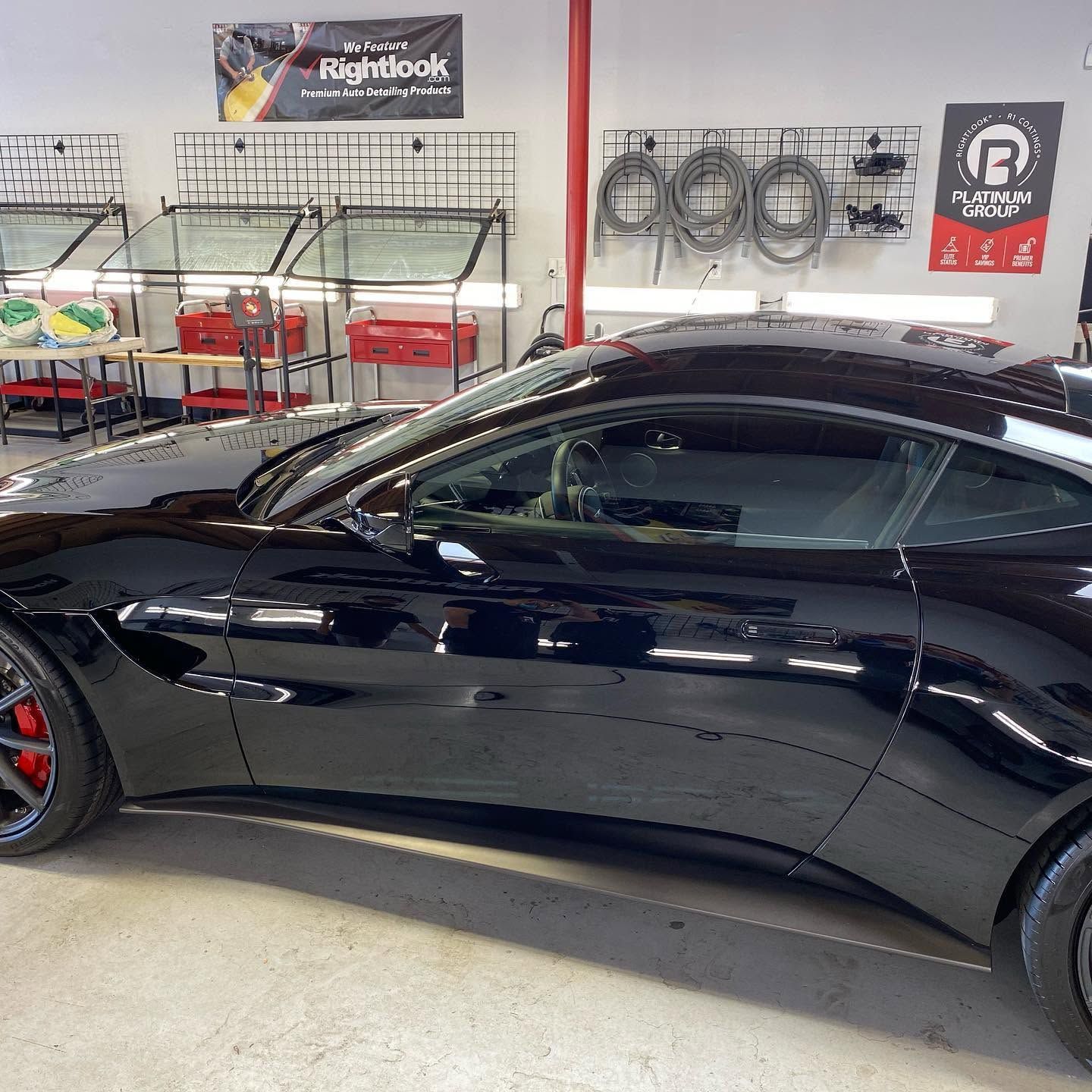
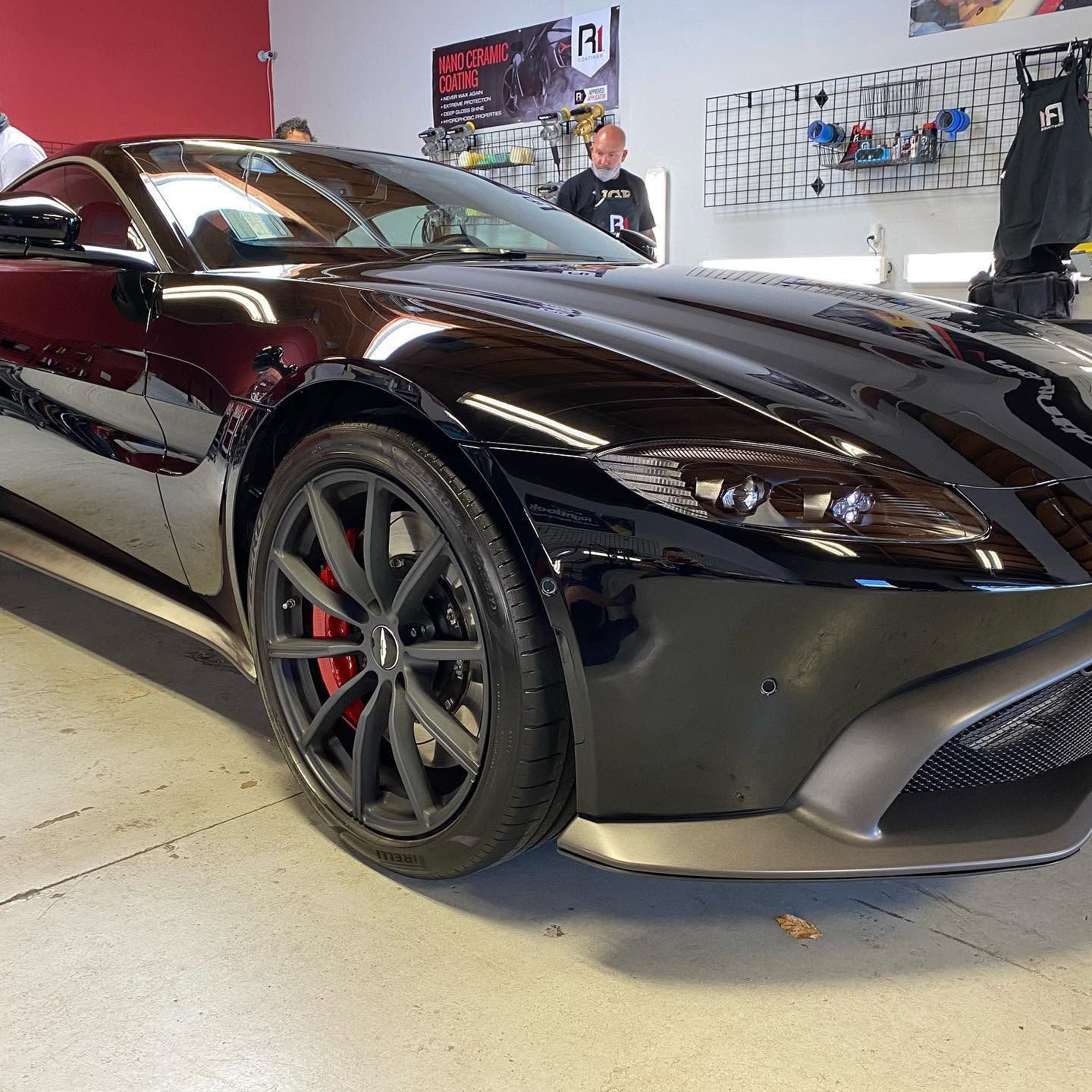
Here at Obsessed Detail and Restoration, I can walk you through exactly what happens to your vehicle from arrival to completion. I have invested in proper training and certification for the products and techniques we use, and I treat every vehicle as if it were my own. That means no skipped steps and no hidden shortcuts.
The Foundation for Everything Else
Paint decontamination is not glamorous work. No customer brings in their vehicle specifically for decontamination. They bring it in for coating, or film, or correction. Decontamination is what makes those services work properly.
Think of it as the foundation. A house built on a poor foundation develops problems no matter how well the structure above it is built. Paint protection applied over contamination develops problems no matter how good the coating or film is.
When you pay for professional ceramic coating or paint correction, you are paying for this preparation as much as the final product. The preparation is where the craft lives. It is where experience and training show. It is what separates a job done right from one that just looks right for a while.
Every vehicle that comes through our shop for protection work receives full surface prep before anything else happens. That is not a selling point. It is just how the work gets done when someone cares about the result lasting.
Ready to discuss protection for your vehicle? Contact us to learn more about our preparation process and what your paint actually needs.
Frequently Asked Question
What is the difference between washing and paint decontamination?
Washing removes loose dirt, dust, and surface grime that sits on top of your paint. Decontamination removes contamination that has chemically or mechanically bonded to your clear coat, such as industrial fallout, tar, tree sap residue, and mineral deposits. Washing cannot break these bonds regardless of how thoroughly you scrub. Decontamination uses specific chemical and mechanical processes to safely remove what washing leaves behind.
How can I tell if my paint needs decontamination before coating?
After washing your vehicle, run your clean fingertips across a flat panel like the hood or fender. If you feel any grit, bumps, or rough texture instead of a perfectly smooth surface, contamination has bonded to your paint. Even vehicles that look clean often have significant embedded contamination that affects how coating bonds to the surface and performs over time.
Why does contamination under coating cause problems later?
When coating bonds to contamination instead of clean paint, the adhesion is compromised from the start. The coating cannot form a proper bond with your actual clear coat. Over time, this can cause uneven wear, spots, lifting edges, or premature failure of the coating. Contamination trapped under protection also continues degrading, potentially causing visible issues that appear after the coating is already applied.
How long does professional paint decontamination take?
The time varies depending on how much contamination has accumulated on your vehicle and how long it has been there. A well-maintained vehicle with light contamination may need less time than one that has collected fallout for years without proper decontamination. Rushing this step compromises the result, so professional shops allocate whatever time the surface actually needs rather than cutting corners to speed delivery.
Can I decontaminate my own paint before bringing it in for coating?
While some decontamination products exist for consumer use, professional decontamination requires training, proper technique, and an understanding of how different contaminants respond to treatment. Improper technique can damage paint or leave contamination behind. Professional preparation ensures the surface is truly ready for coating application and that nothing is missed or damaged in the process.