Utah's Road Salt and Your Paint: Why Ceramic Coating Is Winter Protection
Winter in Utah brings beautiful snow-covered mountains and treacherous roads. To keep those roads safe, transportation departments spread thousands of tons of road salt across highways and streets throughout the season. While that salt helps you drive safely, it's quietly destroying your vehicle's paint in ways most people don't realize until the damage becomes visible.
Here's the thing about Utah road salt damage - it doesn't happen overnight. Salt works slowly, accumulating on your paint, seeping into tiny imperfections, and starting corrosion processes that compound over multiple winter seasons. By the time you notice the damage, reversing it becomes challenging.
If you're driving in Utah during the winter months, your vehicle is exposed to road salt constantly. Every trip to the grocery store, every commute to work, and every school run adds another layer of salt contamination to your paint. And without proper protection, that contamination is doing real damage right now.
How Road Salt Actually Damages Your Vehicle
Winter vehicle protection starts with understanding what road salt does to automotive paint at a chemical level.
Salt doesn't just sit harmlessly on your paint surface. When temperatures fluctuate between freezing and thawing - which happens constantly during Utah winters - salt dissolves in moisture and creates a corrosive solution that attacks your clear coat and paint layers.
Here's what happens during typical winter driving:
- Road spray coats your vehicle with salt-contaminated water
- Salt residue accumulates in panel gaps, wheel wells, and paint imperfections
- Temperature changes cause repeated wet-dry cycles
- Each cycle allows salt to penetrate deeper into your paint system
- Corrosion begins beneath your clear coat, where you can't see it
The visible damage - paint bubbling, rust spots, clear coat failure - only appears after months or years of this hidden deterioration. By then, the damage extends deep into your paint layers and metal panels. Simple washing can't reverse corrosion that's already started attacking your vehicle's structure.
What makes Utah particularly challenging for vehicles is the combination of heavy salt usage and dramatic temperature swings. Morning temperatures below freezing, afternoon sun warming things up, evening freeze again - this constant cycling accelerates salt damage significantly compared to regions with more stable winter conditions.
The Hidden Cost of Winter Salt Exposure
Most Utah vehicle owners understand that road salt causes rust eventually. What they don't realize is how much value they're losing every single winter season.
Utah winter car care isn't just about appearance - it's about protecting your investment from measurable financial loss. Consider what happens to two identical vehicles purchased on the same day. One receives proper winter protection with ceramic coating. The other gets regular washing but no protective coating.
After three Utah winters:
- The unprotected vehicle shows visible paint degradation and early rust formation
- The clear coat begins failing in high-exposure areas like the hood and lower panels
- Paint loses depth and gloss from repeated salt contamination
- Resale value drops significantly due to visible damage
The protected vehicle maintains its original finish quality, shows no corrosion signs, and commands substantially higher resale prices. That value difference often exceeds the cost of protection by a significant margin.
Insurance doesn't cover gradual paint damage from salt exposure. You're absorbing these losses yourself when your vehicle's value declines from preventable winter damage. Paint restoration or rust repair represents significant additional expenses down the road.
Why Traditional Protection Fails Against Salt
You might be thinking regular washing and waxing handles winter protection. Unfortunately, salt corrosion protection requires more than traditional methods provide.
Standard car wax offers minimal defense against road salt for several reasons. Wax sits on top of your paint as a temporary layer. Winter weather and road conditions break down wax within weeks, leaving your paint exposed during the most damaging months. Even premium waxes can't withstand the harsh chemical assault that road salt delivers.
Paint sealants last longer than wax but face similar limitations. They provide a barrier for several months at best. Given Utah's extended winter season with months of salt exposure, sealants often fail before winter ends. Your vehicle sits unprotected during peak damage periods.
Regular washing helps remove surface salt but can't prevent contamination that's already penetrating your paint. Once salt residue works into panel gaps and paint imperfections, simple washing becomes insufficient. You need protection that prevents salt from reaching your paint in the first place.
Traditional methods also require constant reapplication during winter. That means finding time every few weeks for protection treatments during the coldest, most inconvenient season. Most vehicle owners can't maintain that schedule, leaving their vehicles vulnerable for extended periods.
How Ceramic Coating Defends Against Road Salt
Ceramic coating winter protection works fundamentally differently from traditional methods, and that difference matters tremendously for Utah vehicles.
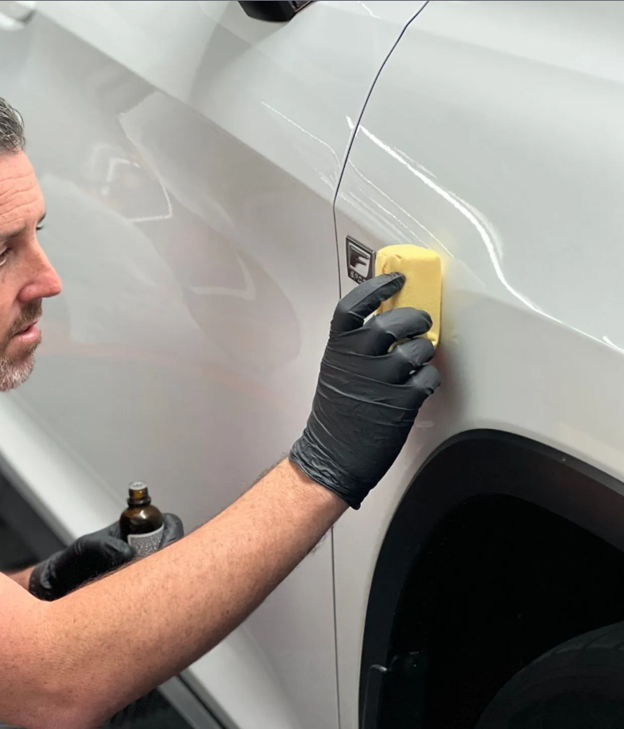
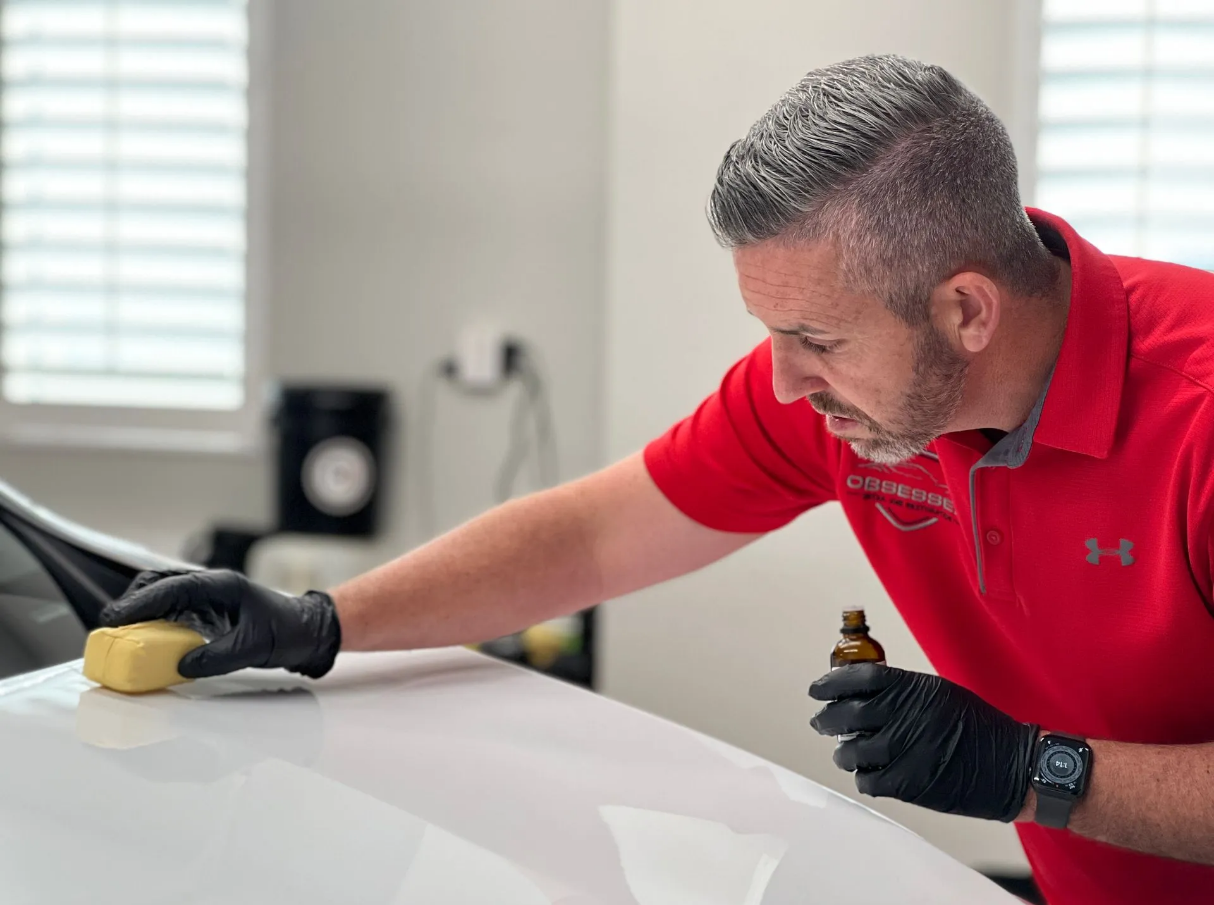
Professional ceramic coating creates a molecular bond with your clear coat. This isn't a temporary layer sitting on top of your paint - it's a long-term protective barrier that becomes part of your vehicle's surface. Road salt can't penetrate this hardened coating the way it attacks unprotected paint.
The hydrophobic properties of ceramic coating salt protection are particularly effective against winter contamination. When salt-laden water hits a ceramic-coated surface, it beads up and rolls off instead of spreading across your paint. This water-repelling characteristic prevents salt from dissolving on your surface and starting the corrosion process.
Quality ceramic coating from Obsessed Detail and Restoration provides multiple layers of defense:
- Chemical resistance that neutralizes salt's corrosive properties
- Smooth, non-porous surface that prevents salt accumulation in microscopic imperfections
- UV protection that works year-round, preventing additional paint degradation
- Hardness that resists physical damage from road debris kicked up by winter traffic
- Lasting protection measured in years, not weeks or months
Temperature fluctuations that accelerate salt damage on unprotected paint don't affect ceramic coating performance. The coating maintains its protective properties through freeze-thaw cycles that would compromise traditional wax or sealant protection.
Timing Your Protection Before Winter Hits
The best time for winter vehicle protection is before winter weather arrives. Once salt exposure begins, you're managing existing contamination rather than preventing damage.
Getting ceramic coating applied in late fall or early winter, before heavy salt usage begins, provides maximum protection. Your vehicle enters the season with a complete defensive barrier already in place. Salt contamination from the first storm onward can't penetrate to your paint because the coating shields it completely.
Waiting until mid-winter creates complications. Salt contamination already on your vehicle needs thorough removal before coating application. Professional paint correction becomes necessary to remove any damage that has occurred and prepare your paint for coating.
If you're reading this during winter, protection still makes sense. The remaining months of the season still pose a significant damage risk. Getting ceramic coating now prevents additional deterioration and sets you up with protection for next winter as well. Multi-year coatings mean this protection decision benefits you across multiple winter seasons.
For South Jordan area vehicle owners, mobile service from Obsessed Detail and Restoration makes winter protection convenient. Professional coating application happens at your location, eliminating the hassle of dropping your vehicle at a shop during winter weather.
Beyond Coating: Complete Winter Protection Strategy
Ceramic coating forms the foundation of effective Utah winter car care, but complete protection involves additional practices that maximize your coating's effectiveness.
Regular washing during winter becomes easier with ceramic coating but remains important. The coating prevents salt from bonding to your paint, but removing salt residue before it accumulates still makes sense. Even with coating protection, periodic washing keeps your vehicle looking great and removes surface contamination.
Pay special attention to areas where salt accumulates most heavily:
- Wheel wells and undercarriage areas
- Door jambs and panel gaps
- Lower body panels and rocker panels
- Behind the wheels and suspension components
Touchless car washes work well for ceramic-coated vehicles during winter. The high-pressure water removes salt residue without the abrasive contact that brush-style washes create. Your coating's hydrophobic properties mean less manual scrubbing is needed to achieve clean results.
Between washes, quick rinses after particularly salty drives help maintain your vehicle's appearance and reduce contamination buildup. This takes just minutes but prevents heavy salt accumulation that would otherwise sit on your vehicle for days or weeks between full washes.
Professional detailing services complement your ceramic coating by maintaining optimal surface conditions. Periodic maintenance keeps your coating performing at peak effectiveness and addresses any contamination that regular washing might miss.
Real Protection for Utah's Toughest Season
Winter weather isn't optional in Utah. Road salt usage isn't something you can avoid if you're driving during the winter months. But paint damage from salt exposure is entirely preventable with proper protection.
Ceramic coating salt protection delivers defense that traditional methods can't match. The molecular bond, chemical resistance, and hydrophobic properties work together to shield your paint from corrosive salt contamination throughout the entire winter season and beyond.
Your vehicle represents a significant investment. Protecting that investment from predictable, preventable damage just makes financial sense. Professional ceramic coating provides value through long-term paint preservation.
Ready to protect your vehicle before Utah's winter weather takes its toll? Contact Obsessed Detail and Restoration to discuss ceramic coating options that defend against road salt damage. Get the protection your vehicle needs before the next storm arrives.
Frequently Asked Questions
How quickly does road salt start damaging unprotected vehicle paint?
Road salt begins affecting unprotected paint immediately upon contact. While visible damage takes months or years to appear, the corrosion process starts during your first winter drives. Salt dissolved in moisture creates a corrosive solution that begins attacking your clear coat and paint layers. Temperature fluctuations between freezing and thawing accelerate this process significantly. Without protection, every winter drive adds cumulative damage that compounds over multiple seasons. By the time you notice bubbling paint or rust spots, extensive corrosion has already occurred beneath your clear coat.
Can I apply ceramic coating to my vehicle during Utah's winter months?
Yes, professional ceramic coating can be applied during winter with proper conditions. The application requires controlled temperature and humidity environments for optimal curing. Mobile service from professionals brings these controlled conditions to your location, making winter application feasible. However, thorough decontamination and drying are essential before coating application. Any existing salt contamination must be completely removed first. If your vehicle already has winter exposure, paint correction may be necessary to address existing damage before coating. The best results come from application before the heavy salt season begins, but mid-winter protection still provides valuable defense for the remaining months.
Does ceramic coating eliminate the need for winter car washing?
No, ceramic coating makes winter washing easier and more effective, but it doesn't eliminate the need. The coating's hydrophobic properties cause salt-laden water to bead and roll off rather than spreading across your paint. This prevents salt from bonding to your surface and makes contamination removal much simpler. However, periodic washing still removes accumulated salt residue and maintains your vehicle's appearance. The difference is that washing becomes less frequent and requires less effort compared to unprotected paint. Coating protection means salt can't penetrate to your paint during intervals between washes.
How long does ceramic coating protection last through multiple Utah winters?
Professional ceramic coating packages offer protection lasting multiple years, depending on the specific formula chosen. Quality coatings maintain their chemical resistance and hydrophobic properties through repeated freeze-thaw cycles and salt exposure that would quickly degrade traditional wax or sealants. A multi-year coating provides consistent defense across several winter seasons from a single application. The coating doesn't wash away or break down from winter conditions the way temporary protection methods do. With proper maintenance, including periodic washing, your coating continues defending against salt damage throughout its rated lifespan.
What areas of my vehicle are most vulnerable to road salt damage?
Lower body panels, wheel wells, rocker panels, and undercarriage components face the most direct salt exposure from road spray. These areas accumulate the heaviest salt contamination during winter driving. Panel gaps, door jambs, and any paint imperfections also allow salt to accumulate and penetrate deeper into paint layers. The hood and front fascia receive significant exposure from oncoming traffic spray. Without protection, these vulnerable areas show damage first. Ceramic coating provides uniform protection across all painted surfaces, defending vulnerable areas equally as well as less exposed panels.