Paint Correction Success Stories: 70% vs. 90% Defect Removal Explained
When you start researching paint correction, you'll see numbers thrown around - 70% defect removal, 80%, 90%. But what do these percentages actually mean for your vehicle? More importantly, how do you know which level of correction your paint needs?
Understanding paint correction results isn't about picking the highest number and calling it done. It's about matching the correction level to your vehicle's condition, your goals, and what's actually achievable given your paint's current state. Because here's the reality - not every vehicle needs or can handle maximum correction.
The difference between correction levels is about understanding what each level accomplishes and which one delivers the results you're actually looking for. Let's break down what these numbers mean in real terms.
What Defect Removal Percentages Actually Mean
Paint defect removal percentages represent how much visible improvement you'll see in your paint's appearance after correction.
Think of your paint's current condition as having a certain number of visible imperfections. These might include swirl marks from improper washing, light surface marks from regular use, oxidation from sun exposure, or water etching from environmental contamination. The defect removal percentage indicates how many of these visible issues are eliminated through the correction process.
A 70% defect removal means:
- Most obvious imperfections get removed
- Your paint looks significantly better than before the correction
- Some minor defects may remain visible under certain lighting
- The overall appearance improves dramatically from the starting point
Moving up to 80% defect removal adds:
- More thorough elimination of finer imperfections
- Better results in difficult lighting conditions
- Noticeably enhanced paint depth and clarity
- Fewer remaining defects overall
At 90% defect removal, you're achieving:
- Near-flawless paint appearance
- Maximum gloss and depth restoration
- Only the most minor imperfections remain
- Results that approach showroom perfection
These aren't arbitrary numbers. They reflect the reality of what's achievable through different correction approaches while maintaining paint safety and integrity.
Level 1 Correction: The Foundation Results
Paint correction success at the foundational level delivers impressive transformation for many vehicles without requiring the most aggressive correction methods.
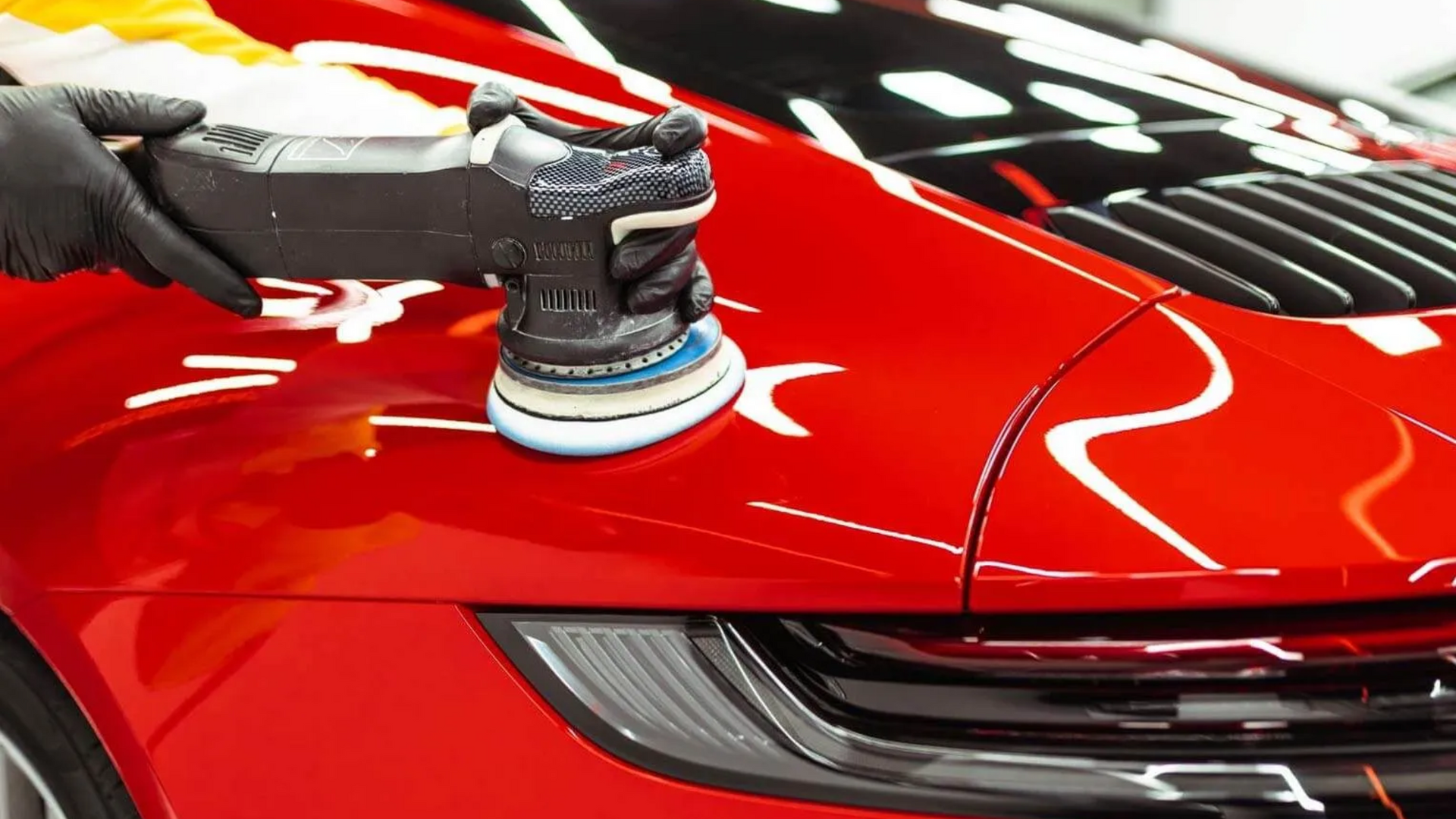
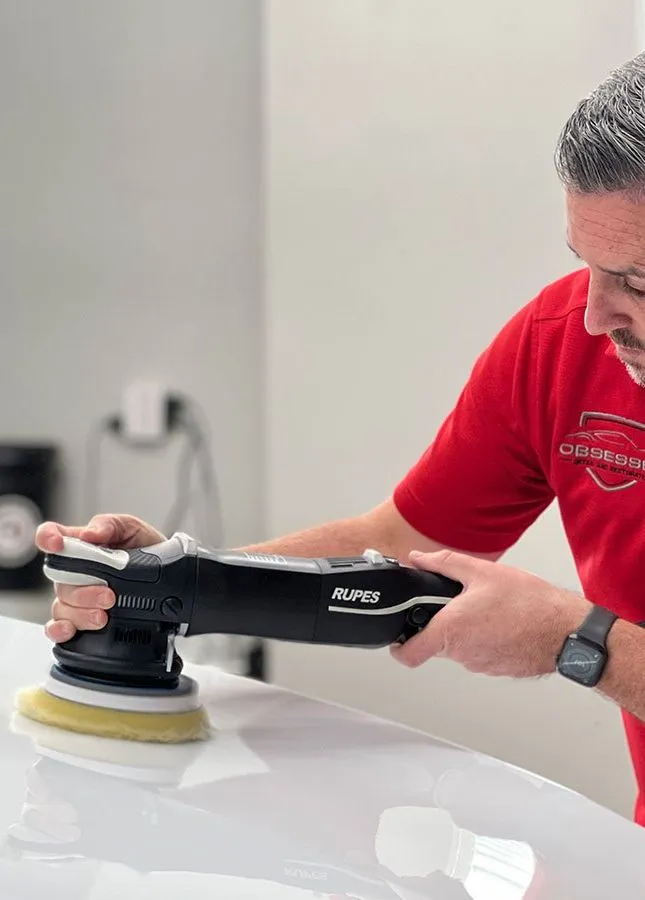
Level 1 paint correction at Obsessed Detail and Restoration aims for 70%+ defect removal. This single-stage polishing process targets the most visible imperfections affecting your paint's appearance. For vehicles with light to moderate defects, this level often provides all the improvement needed.
What 70%+ defect removal looks like in practice:
- Swirl marks that were obvious in sunlight become much less visible
- Surface cloudiness clears up significantly
- Paint depth starts showing through again
- Your vehicle looks noticeably cleaner and more polished
This correction level works particularly well for newer vehicles that haven't accumulated severe defects yet or daily drivers where perfection isn't the goal but substantial improvement is desired. The single-stage approach preserves paint thickness for potential future correction if needed.
Many vehicle owners discover that 70% defect removal exceeds their expectations. When you're accustomed to seeing swirls and dullness every time you look at your vehicle, removing the majority of those issues creates dramatic visual improvement. Your paint looks healthier, the color appears richer, and the overall appearance is elevated significantly.
The key advantage of starting with Level 1 correction is that it addresses the most noticeable problems efficiently. You're not spending time and resources removing every microscopic imperfection when the biggest visual impact comes from eliminating the defects you actually notice in normal conditions.
Level 2 Correction: The Balanced Approach
When your vehicle needs more than foundation correction but doesn't require absolute perfection, paint restoration results from a two-stage process that delivers exceptional outcomes.
Level 2 correction at Obsessed Detail and Restoration targets 80%+ defect removal through a two-stage compound and polish approach. This method first removes defects with cutting compounds, then refines the surface with polishing to enhance gloss and clarity.
The difference between 70% and 80% defect removal becomes apparent when you examine your paint closely:
- Finer imperfections that remained after single-stage correction get eliminated
- Paint clarity improves noticeably
- Reflection sharpness increases
- The finish looks more refined overall
This correction level suits vehicles with moderate to heavy defects or owners who want results that hold up under critical inspection. The two-stage process allows for more thorough defect removal while still finishing with excellent gloss and smoothness.
Real-world scenarios where Level 2 correction makes sense include vehicles that spent years being washed at automatic car washes, paint that's accumulated environmental damage, or situations where you want your vehicle looking its absolute best for resale or long-term ownership.
The compound stage removes deeper imperfections that single-stage polishing can't address effectively. Then the polishing stage refines the surface, removing any marks left by the compounding process and maximizing your paint's natural gloss. This two-phase approach delivers results that significantly outperform single-stage correction.
Level 3 Correction: Maximum Results
Before-and-after paint correction transformations reach their peak with three-stage correction processes designed to achieve near-flawless results.
Level 3 correction from Obsessed Detail and Restoration aims for 90%+ defect removal through a three-stage cutting, polishing, and jeweling process. This represents the most comprehensive correction approach, removing virtually all visible defects while delivering maximum gloss and depth.
What separates 90% defect removal from lower levels:
- Nearly every visible imperfection gets eliminated
- Paint achieves mirror-like clarity
- Deep gloss that showcases your paint's true color depth
- Results that satisfy even the most critical inspection
This correction level requires significant time and expertise. The three-stage process means your paint receives cutting to remove defects, polishing to refine the surface, and jeweling to maximize gloss. Each stage builds on the previous one, systematically perfecting your paint's appearance.
The vehicles that benefit most from Level 3 correction include show cars, collectible automobiles, or any situation where maximum results justify the additional effort involved. Paint that's heavily defective from years of improper care can be transformed to near-showroom condition through this comprehensive approach.
However, achieving 90% defect removal requires adequate paint thickness. Heavily defective paint that's also thin may not be able to withstand the correction necessary for maximum results. This is where professional assessment becomes essential - determining what's achievable given your specific paint condition.
Understanding What Limits Correction Results
Paint correction outcomes depend on multiple factors beyond just the correction method used. Understanding these limitations helps set realistic expectations.
Your paint's current thickness plays a major role in achievable results. Every correction process removes microscopic amounts of clear coat to eliminate defects. If your clear coat is already thin from previous correction or factory variations, there's less material available to work with. Safety requires preserving adequate clear coat thickness, which may limit how aggressively correction can proceed.
Defect severity also impacts outcomes. Deep issues that penetrate through your clear coat can't be removed through correction - they would require repainting. Professional correction removes defects within the clear coat but can't fix damage that extends to the base coat or primer layers.
Paint hardness varies between manufacturers and even between different colors from the same manufacturer. Some paints correct easily and achieve excellent results quickly. Others resist correction and require more effort to achieve similar defect removal percentages. This doesn't mean the harder paint can't be corrected - it just requires adjusted techniques.
Environmental factors matter too. Paint that's been exposed to intense sun for years may have oxidation that extends deeper than surface correction can address. Acid rain etching, hard water spots that have been sitting for extended periods, or industrial fallout can create damage that's more challenging to remove completely.
The starting condition determines realistic outcomes. Paint in relatively good condition with light defects can achieve that 90% defect removal target more easily than paint that's been neglected for years. Sometimes the most dramatic transformation comes from taking severely defective paint up to 70-80% improvement rather than pushing moderately defective paint to 90%.
Selecting the Right Correction Level
Choosing between correction levels requires evaluating your vehicle's needs, your goals, and what results matter most to you.
Start by honestly assessing your paint's current condition. Look at your vehicle in direct sunlight - this reveals defects most clearly. Are the imperfections light swirls and minor cloudiness? That suggests Level 1 might achieve your goals. Do you see heavy swirling, noticeable surface marks, and significant dullness? Level 2 or 3 becomes more appropriate.
Consider your goals for the vehicle. Daily drivers that you want looking good but don't need perfection often benefit most from Level 1 or 2 correction. The improvement is substantial, and the results satisfy most owners' expectations. Showing vehicles, collectibles, or cars you're preparing for sale might justify Level 3 correction, where maximum results matter.
Different correction levels suit different needs and vehicle conditions. What works best depends on your specific situation and desired outcomes rather than assuming one level fits all circumstances.
Professional assessment at Obsessed Detail and Restoration helps determine what's actually achievable for your specific vehicle. Professional evaluation examines your paint condition, defect severity, and realistic outcome expectations. This prevents disappointment from pursuing correction levels that aren't appropriate for your paint's condition.
The right correction level balances desired results with practical considerations. You want significant improvement that makes you happy every time you see your vehicle, achieved through methods appropriate for your paint's condition and your goals.
After Correction: Protecting Your Investment
Paint correction results only remain impressive if you protect them properly after the process completes.
Once defects are removed and your paint looks its best, the goal shifts to maintaining that appearance long-term. Without protection, your freshly corrected paint begins accumulating new defects immediately. Environmental contamination, improper washing techniques, and daily exposure start degrading your paint again.
Ceramic coating provides the most effective protection for corrected paint. The coating bonds with your clear coat, creating a hard, protective layer that resists defects your paint would otherwise accumulate. This hydrophobic surface makes maintenance easier while defending against environmental damage.
Protection isn't optional if you want correction results lasting long-term. Consider what happens without coating:
- Environmental contamination begins bonding to your paint
- Improper washing creates new swirl marks
- UV exposure starts fading your paint
- Defects reaccumulate over time
Quality ceramic coating preserves your correction investment by preventing these issues. The coating's hardness resists light surface marks. Its chemical resistance neutralizes environmental contamination. UV protection prevents sun damage. Hydrophobic properties make washing safer and easier.
This protection matters regardless of which correction level you choose. Whether you invested in 70% or 90% defect removal, protecting those results ensures they last. Otherwise, you're looking at repeated correction cycles to maintain appearance rather than protecting your paint properly from the start.
Mobile Correction Services: Convenience Without Compromise
Getting professional paint restoration results doesn't require disrupting your schedule or dealing with transportation logistics.
Mobile paint correction from Obsessed Detail and Restoration delivers the same quality results whether work happens at their South Jordan facility or at your location. Professional equipment, expertise, and techniques remain consistent regardless of where correction occurs.
The mobile advantage means:
- Your vehicle stays secure at your home or office
- No need to arrange alternate transportation
- Convenient scheduling that fits your availability
- Professional results without location constraints
For busy vehicle owners, this convenience matters tremendously. You're not sacrificing time or dealing with logistics to get professional correction. The service comes to you while delivering the same Level 1, 2, or 3 correction results you'd receive at any detailing facility.
Mobile service works particularly well for collectors with multiple vehicles or professionals whose schedules make traditional shop visits challenging. Your vehicles receive expert correction without you having to coordinate drop-offs, pick-ups, and transportation arrangements.
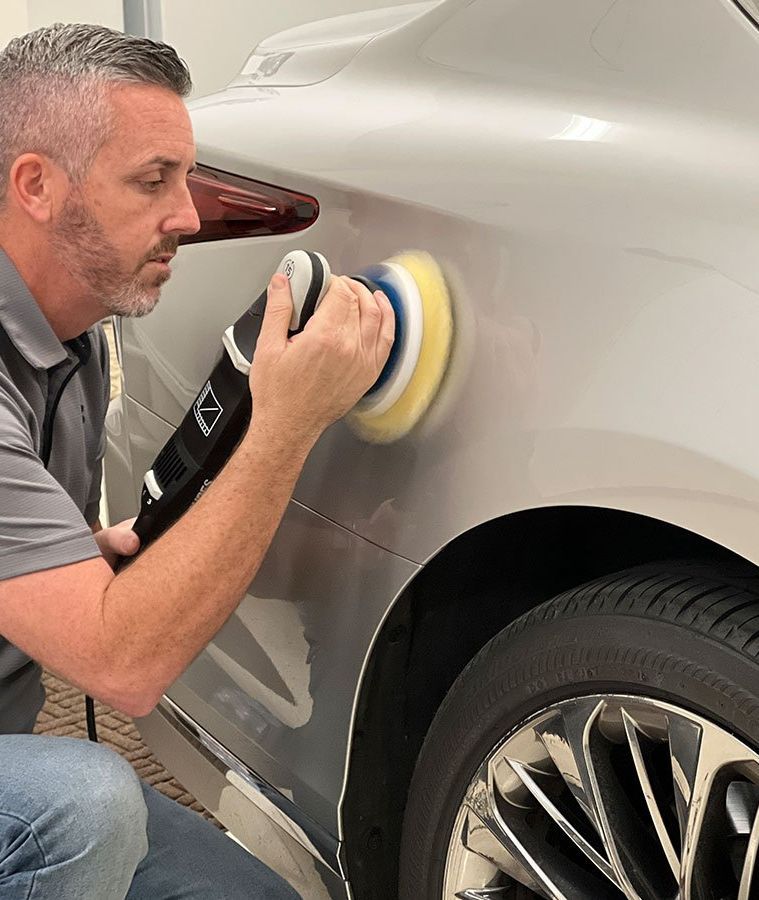
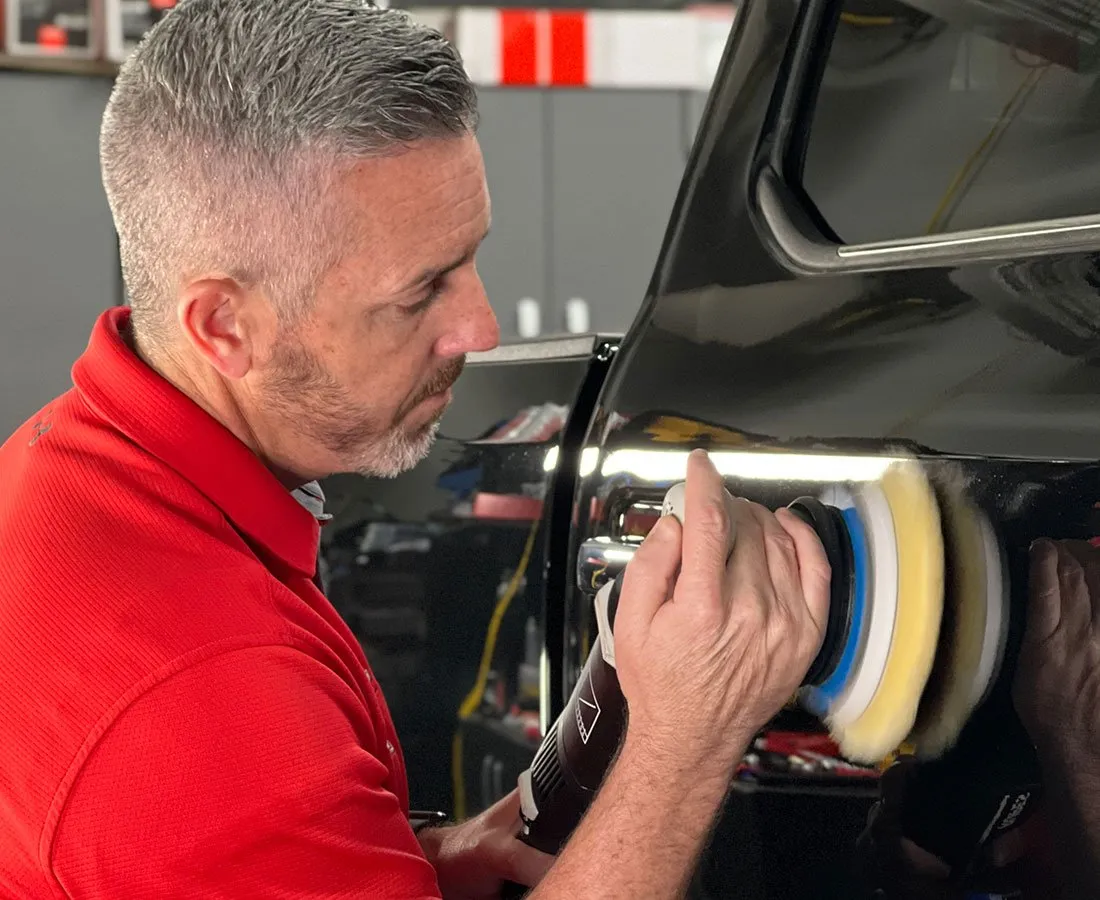
Real Results for Real Vehicles
The difference between correction levels becomes clear when you see the transformation on actual vehicles.
A daily driver with moderate swirling benefits tremendously from Level 1 correction. That 70% defect removal eliminates the obvious imperfections that bothered you every time you looked at your vehicle. The paint looks healthier, the color appears richer, and you're satisfied with the improvement.
A vehicle with heavier defects from years of automatic car washes transforms through Level 2 correction. That 80% defect removal addresses deeper imperfections while delivering refined results that hold up under close inspection. Your vehicle looks significantly better than its starting condition.
A show car or collectible achieves stunning results from Level 3 correction. That 90% defect removal creates a near-flawless appearance that showcases your vehicle at its absolute best. The mirror-like finish and deep gloss represent the peak of what paint correction can achieve.
These aren't hypothetical examples. Real vehicles receiving professional correction at Obsessed Detail and Restoration demonstrate these results consistently. The correction level is matched to each vehicle's condition and the owner's goals, delivering outcomes that satisfy expectations.
Ready to see what paint correction can do for your vehicle? Contact Obsessed Detail and Restoration to discuss your paint's condition and determine which correction level achieves the results you're looking for. Get the transformation your vehicle deserves.
Frequently Asked Questions
What's the actual visual difference between 70% and 90% defect removal?
The difference becomes most apparent in critical lighting conditions and close inspection. At 70% defect removal, your paint looks significantly improved, with most obvious defects eliminated. In normal viewing conditions, the results satisfy most owners completely. At 90% defect removal, your paint achieves a near-flawless appearance that holds up under the most critical inspection. The additional 20% defect removal addresses finer imperfections that may not be obvious in casual viewing but become visible under direct sunlight or detailed examination. For daily drivers, 70-80% often provides all the improvement needed. Show vehicles or collectibles benefit from pursuing that 90% target.
Can all vehicles achieve 90% defect removal with Level 3 correction?
No, achievable defect removal depends on your paint's current condition and available clear coat thickness. Heavily defective paint with a thin clear coat may not safely support the correction required for 90% defect removal. Deep defects that penetrate through the clear coat cannot be removed through correction processes. Professional assessment determines what's realistically achievable for your specific vehicle. Sometimes 80% defect removal represents maximum safe correction for paint that's been previously corrected or has a factory-thin clear coat. The goal is substantial improvement while preserving adequate clear coat for long-term paint protection.
How long do paint correction results last without protection?
Correction results begin degrading immediately without proper protection. Environmental contamination, improper washing, and UV exposure start creating new defects right away. New swirl marks accumulate from washing. Environmental damage begins to affect your paint again. Ceramic coating protection extends correction results substantially by preventing new defects from forming. The coating's hardness resists surface marks, chemical resistance neutralizes contamination, and hydrophobic properties make maintenance safer. Without coating, you're looking at repeated correction cycles to maintain appearance rather than protecting your investment for long-term results.
Should I choose the correction level based on vehicle age or condition?
Base your decision on the current paint condition rather than vehicle age alone. A newer vehicle that's been improperly maintained may need Level 2 or 3 correction, while an older vehicle with a careful maintenance history might only need Level 1. What matters is the severity and type of defects present, not how old your vehicle is. Professional assessment examines your specific paint condition, defect severity, and clear coat thickness to recommend the appropriate correction level. This ensures you get results that match your needs without over-correcting or under-correcting based on assumptions about age.
Does paint correction remove all types of defects and damage?
Paint correction removes defects within your clear coat layer but cannot fix damage that extends deeper. Surface swirl marks, light marks, oxidation, and water etching within the clear coat can be corrected. Deep issues that penetrate to the base coat or primer, rock chips, key marks, or paint transfer require different repair approaches. Professional correction focuses on improving what's correctable while honestly communicating what damage cannot be addressed through correction alone. This prevents unrealistic expectations and helps you understand which issues correction resolves versus which might need alternative solutions.