Understanding Paint Correction: Why Quality Service Delivers Superior Results
When you're considering paint correction for your vehicle, understanding what separates different service levels helps you make informed decisions. Professional automotive paint restoration involves multiple factors that determine the quality of results you'll receive.
The difference between correction services comes down to expertise, methodology, and the results each approach delivers. Professional paint correction value isn't just about the immediate visual improvement - it's about achieving results that preserve your paint's integrity while delivering the transformation you're looking for.
Understanding what goes into quality paint correction helps you recognize why different service providers deliver different results. Let's examine the factors that determine correction quality and outcomes.
Paint Correction Service Levels Explained
Paint correction at Obsessed Detail and Restoration offers three distinct service levels, each designed for specific paint conditions and desired outcomes.
Level 1 correction uses a single-stage polishing process. This approach aims for 70%+ defect removal, making it suitable for vehicles with light to moderate defects. The single-stage method addresses the most visible imperfections affecting your paint's appearance.
Level 2 correction employs a two-stage compound and polish approach. This method targets 80%+ defect removal through progressive refinement. The two-stage process first removes defects with cutting compounds, then refines the surface with polishing to enhance gloss and clarity.
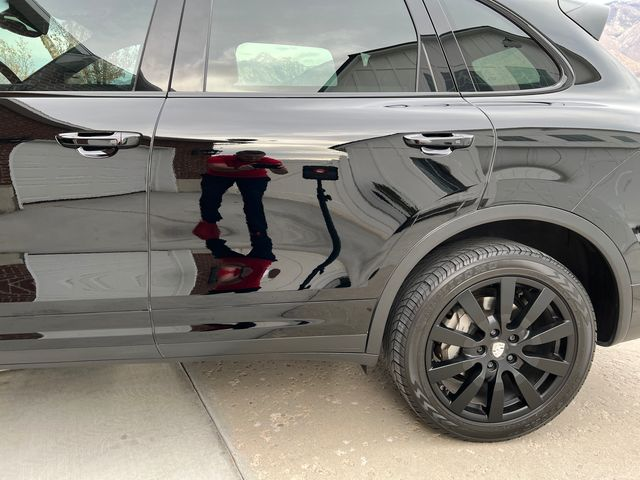
Level 3 correction represents the most comprehensive approach with a three-stage cutting, polishing, and jeweling process. This method aims for 90%+ defect removal, delivering near-flawless results. The three stages systematically perfect your paint's appearance through progressive refinement.
Each level serves different needs. Light defects respond well to Level 1 correction. Moderate to heavy defects benefit from Level 2's two-stage approach. Heavily defective paint or vehicles requiring maximum results need Level 3's comprehensive process.
What Determines Correction Quality
Quality paint correction depends on several factors that influence final results.
Surface preparation matters tremendously. Paint must be completely decontaminated for compounds to work effectively. Professional preparation includes thorough washing, clay bar treatment, and paint decontamination.
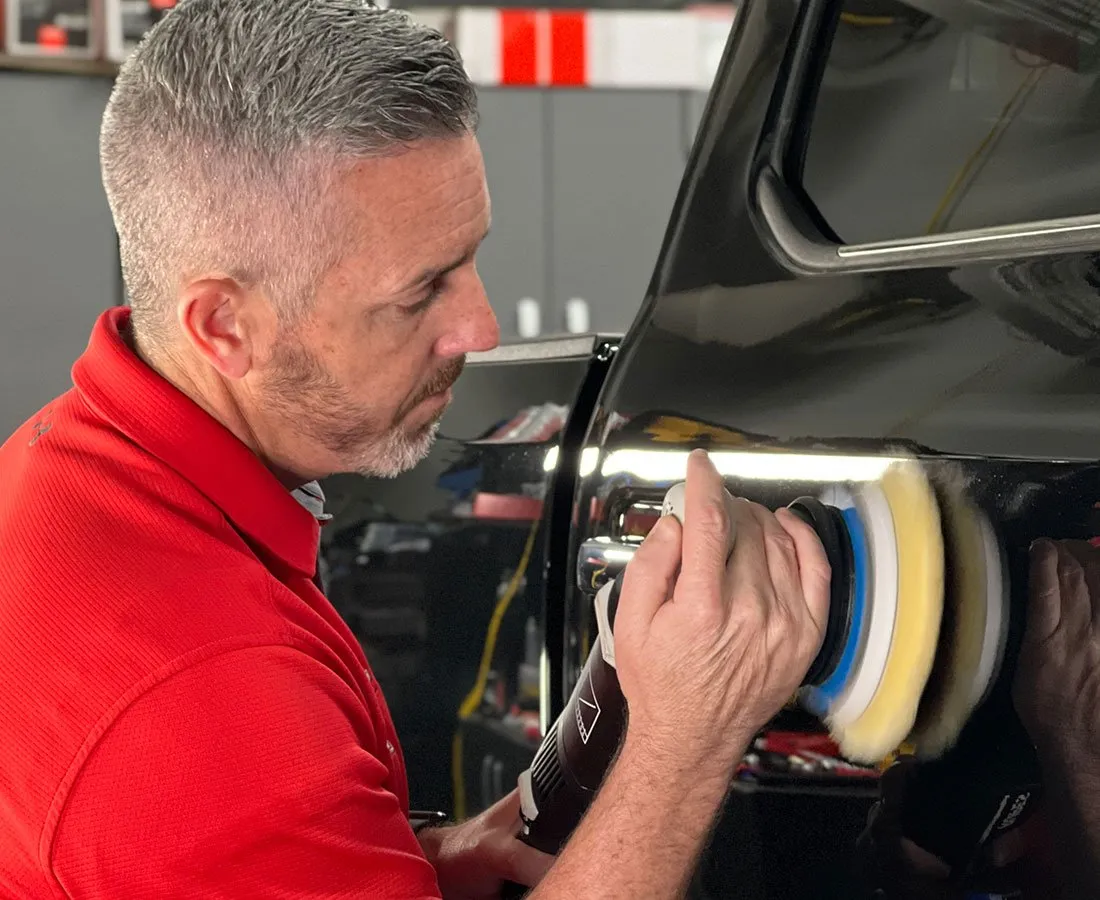
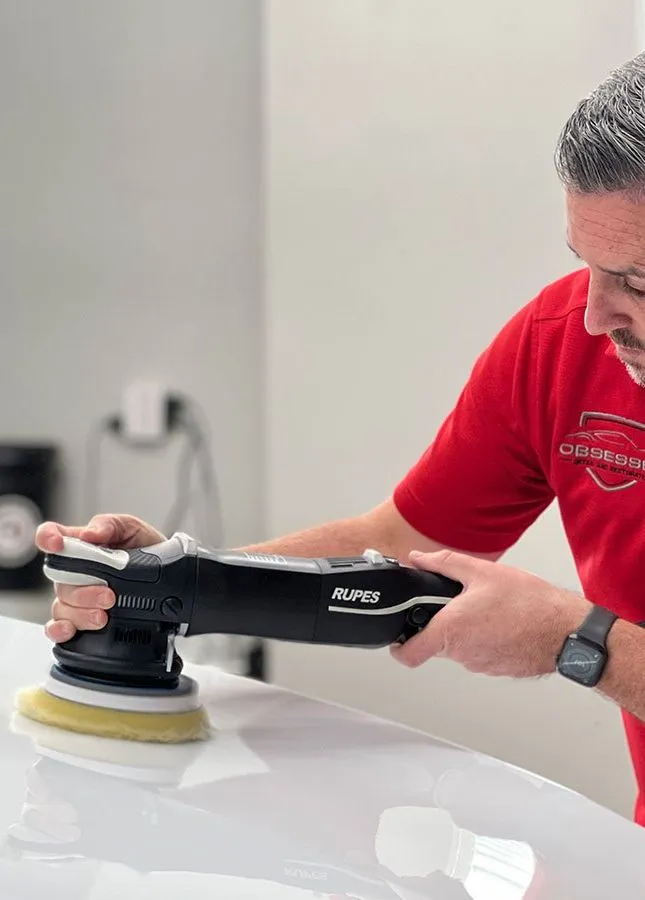
The correction process requires proper technique. Machine speed, pressure application, pad selection, and compound choice all affect results. Professional installers control these variables to achieve desired outcomes without causing new damage.
Paint inspection under proper lighting reveals defects that standard conditions miss. Professional facilities use specialized lighting showing surface imperfections clearly. Equipment quality influences achievable results - professional-grade polishers offer variable speed control and consistent power delivery.
The Role of Experience and Expertise
Professional paint correction requires developed skills that come through training and practice.
Installers at Obsessed Detail and Restoration understand paint behavior and correction methodology. They recognize when the paint is responding well versus when technique adjustments are needed.
Different paint types require different approaches. Professional installers adjust techniques based on paint characteristics, ensuring safe correction regardless of paint type. The systematic approaches professionals use ensure comprehensive results across your entire vehicle.
Why Multi-Stage Correction Delivers Superior Outcomes
Advanced defect removal often requires progressive approaches where each stage serves specific purposes.
Single-stage correction works well for light defects. But heavily defective paint needs the progressive refinement that multi-stage processes provide. The progression moves from heavy cutting to medium polishing to fine finishing. Each stage uses progressively finer abrasives and softer pads.
Between stages, surface inspection verifies progress. Professional judgment determines when to progress between stages, ensuring optimal results without removing unnecessary clear coat.
Protecting Your Corrected Paint
Professional automotive paint restoration doesn't end when defects are removed - protection ensures results last.
Ceramic coating provides optimal protection for corrected paint. The coating bonds with your clear coat, creating a protective layer that resists abrasion, causing defects.
The coating's hydrophobic properties make maintenance safer. Water and contaminants bead up and roll off rather than bonding to your surface. Chemical resistance protects against environmental damage like acid rain, bird droppings, and tree sap.
Without protection, correction cycles repeat as new defects accumulate. With proper ceramic coating protection, your corrected paint maintains its perfection much longer.
Making Informed Service Decisions
Understanding what goes into quality paint correction helps you recognize value when evaluating services.
The expertise required for successful correction develops through hands-on practice and systematic understanding of how paint, compounds, pads, and machines interact. Professional installers bring this developed expertise to every vehicle they correct.
Proper correction preserves your clear coat thickness for future needs. By removing only what's necessary to achieve results, professionals maximize the remaining clear coat. This means your paint can handle future correction if needed.
The combination of expertise, proper equipment, quality products, and systematic approaches creates results that deliver the transformation you're seeking. Professional service provides access to refined techniques developed through extensive practice.
Ready to see what professional paint correction can do for your vehicle? Contact Obsessed Detail and Restoration to discuss your paint's condition and determine which correction level achieves the results you're looking for.
Frequently Asked Questions
What makes Level 3 correction different from Level 1 or Level 2?
Level 3 correction uses a three-stage cutting, polishing, and jeweling process aiming for 90%+ defect removal, while Level 1 uses single-stage polishing for 70%+ removal, and Level 2 uses two-stage compound and polish for 80%+ removal. The additional stages in Level 3 allow for more thorough defect elimination while delivering maximum gloss and depth. Each level serves different paint conditions - Level 1 for light defects, Level 2 for moderate defects, and Level 3 for heavily defective paint or when maximum results are desired.
How do I know which correction level my vehicle needs?
Your vehicle's current paint condition determines the appropriate correction level. Vehicles with light defects and minor imperfections typically benefit from Level 1 correction. Moderate to heavy defects from years of improper care or environmental damage suit Level 2 correction. Heavily defective paint or situations requiring near-flawless results need Level 3 correction. Professional assessment at Obsessed Detail and Restoration examines your specific paint condition and recommends the appropriate correction level based on defect severity and desired outcomes.
Why does professional paint correction require proper lighting and equipment?
Proper lighting reveals defects that standard garage lighting misses, ensuring thorough defect identification and removal verification. Professional facilities use specialized inspection lights showing surface imperfections clearly. Professional-grade equipment offers variable speed control, consistent power delivery, and ergonomic designs enabling proper technique. Without adequate lighting, defects get missed during correction. Without quality equipment, achieving professional-level results becomes much harder, even with good technique. The combination of proper lighting and equipment enables the quality results that professional correction delivers.