Paint Protection Film vs. Ceramic Coating: Utah Vehicle Owners Need Both
Here's a question we hear constantly at Obsessed Detail and Restoration: "Should I get paint protection film or ceramic coating?" The honest answer? Most Utah vehicle owners benefit from both, and here's why that's not just a sales pitch—it's a genuine protection strategy.
Paint protection film Utah drivers invest in services that serve a completely different purpose than ceramic coating. They're not competing products—they're complementary protection layers that address different threats your vehicle faces daily on Utah roads.
Understanding what each protection does, what it doesn't do, and how they work together helps you make smart decisions about Utah vehicle protection that actually matches your needs and budget. Let's break down exactly what you're getting with each option.
Understanding Paint Protection Film Capabilities
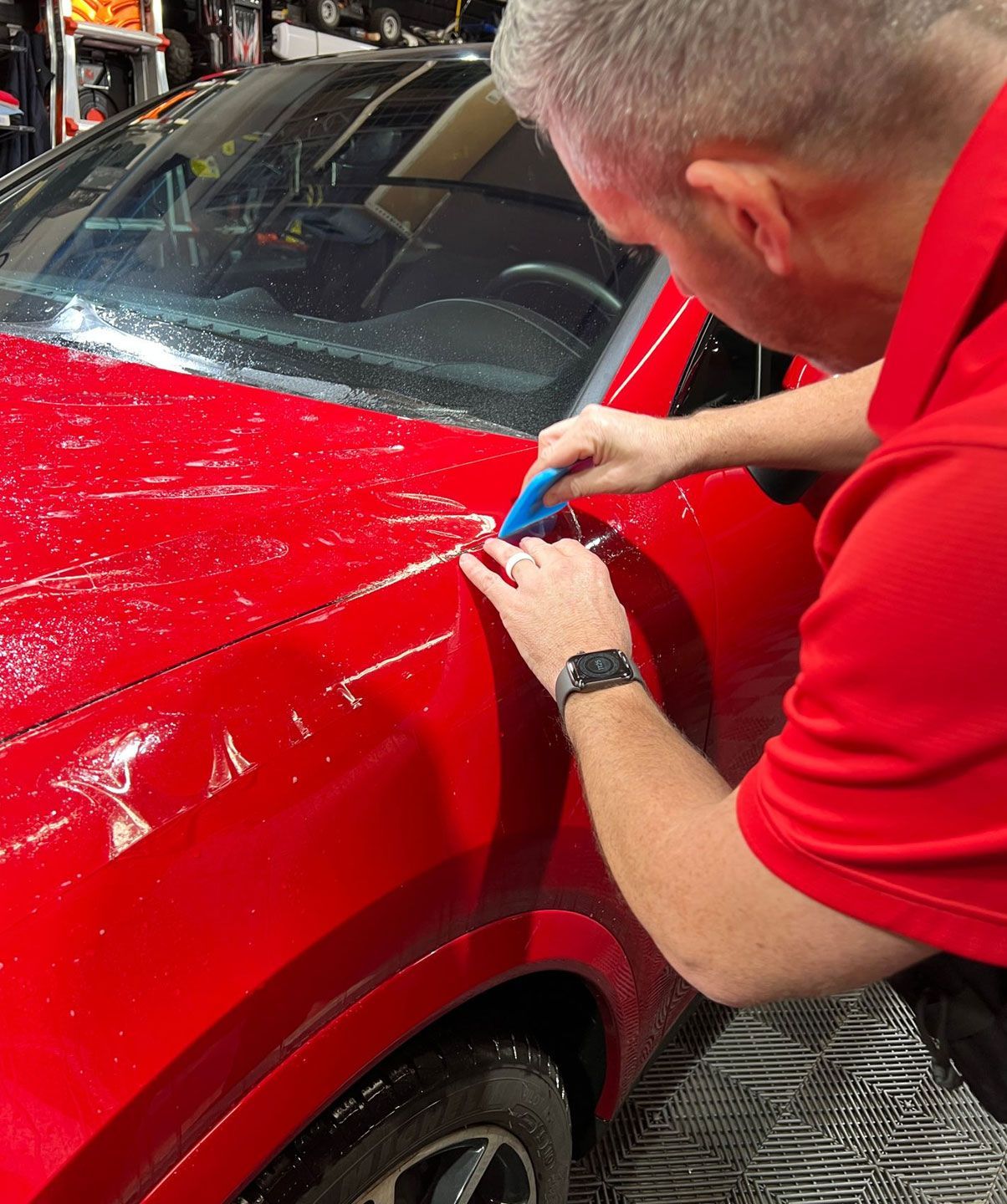
Paint protection film (PPF) is basically a thick, transparent shield that absorbs physical impacts. Think of it as armor for your paint. When rocks, road debris, or door dings hit your vehicle, PPF takes the damage instead of your paint.
The film typically ranges from 6-8 mils thick – that's substantial protection against physical damage. Quality PPF absorbs rock chips and road debris impacts, self-heals minor scratches with heat exposure, and protects against parking lot damage. It prevents bug acid and bird droppings from etching your clear coat while maintaining vehicle resale value by keeping original paint intact.
However, PPF has limitations. It doesn't enhance gloss like ceramic coating does, requires more complex maintenance, and shows water spots more readily on Utah's hard water.
How Ceramic Coating Protection Differs
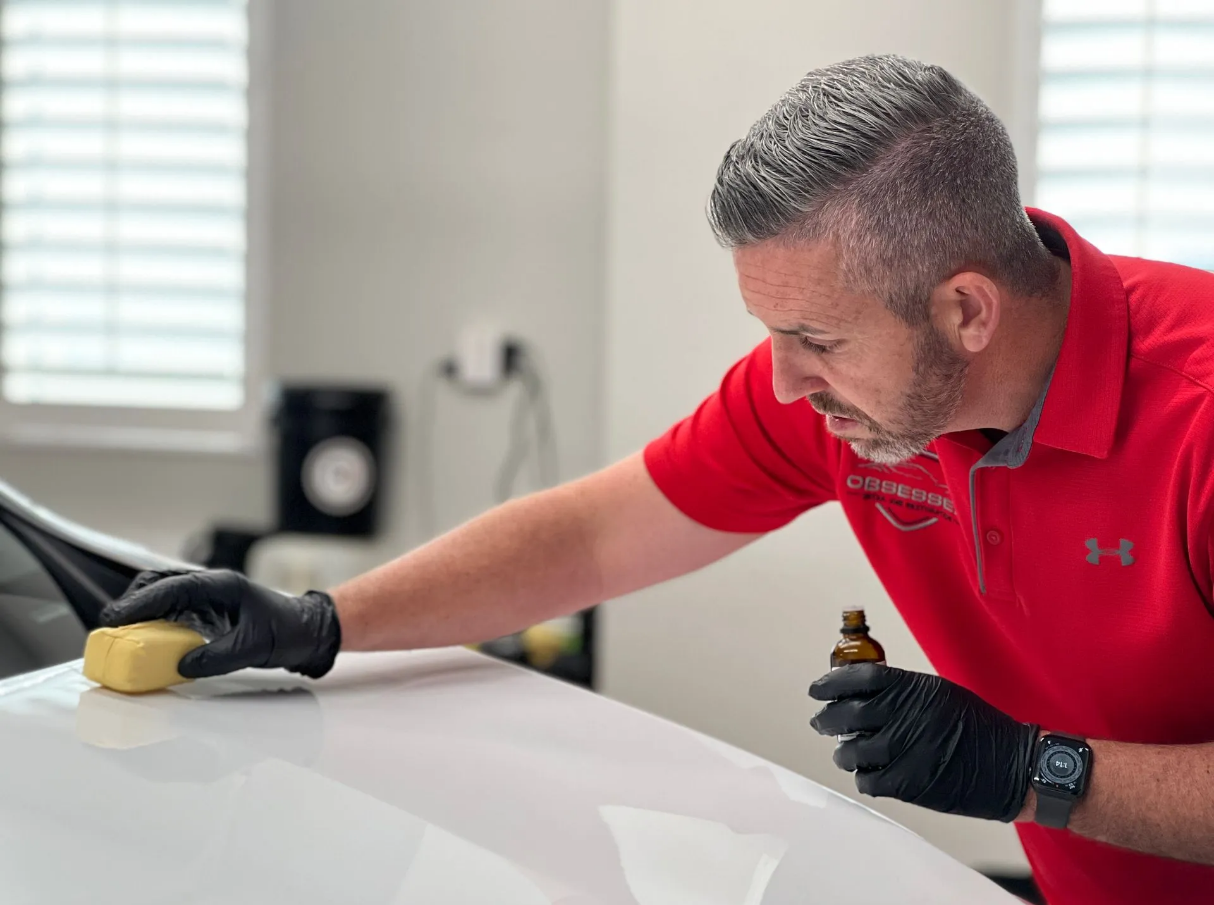
Ceramic coating vs PPF isn't really a competition because ceramic coating solves different problems. Ceramic coating is a liquid polymer that bonds with your paint to create a protective layer measured in microns, not mils.
The technology creates a hydrophobic surface for easy cleaning while dramatically enhancing gloss and depth. It protects against chemical staining and etching, resists UV damage and oxidation, and simplifies maintenance routines because contaminants slide off rather than bonding to your paint.
What ceramic coating doesn't do is stop rock chips or physical impacts. The coating is hard but thin – it won't absorb impacts like PPF does. This is why understanding both technologies matters for complete protection.
Utah-Specific Protection Threats
Utah automotive protection needs differ significantly from coastal or humid climates. Our unique environmental conditions create specific threats that influence which protection makes sense for your vehicle.
Physical damage comes from gravel on mountain roads, rock chips on canyon highways, sand and debris in desert areas, and parking lot door dings in crowded ski resort lots. Chemical and environmental threats include alkaline dust that bonds to paint, road salt and de-icing chemicals, intense UV exposure at high elevation, and hard water mineral deposits.
Notice how these threats divide naturally? Physical impacts need PPF protection, while chemical and environmental threats need ceramic coating defense. This is why PPF and ceramic coating together provide complete protection for Utah conditions.
Why Combination Protection Makes Sense
The most effective comprehensive vehicle protection strategy uses both technologies, where each performs best. This isn't about doubling up protection—it's about addressing different threat categories with appropriate solutions.
Optimal Combination Strategy:
- PPF on high-impact areas (front bumper, hood, mirrors, door edges)
- Ceramic coating on the entire vehicle, including over PPF
- Maximum protection where you need it most
- Cost-effective coverage for the remaining areas
Applying ceramic coating over PPF actually enhances both products. The coating makes PPF easier to clean, reduces water spotting, and adds chemical protection that the film alone doesn't provide. PPF protects the coating from physical damage that would otherwise compromise it.
At Obsessed Detail and Restoration, we've seen this combination strategy prove itself repeatedly on Utah vehicles. The approach maximizes protection while managing investment wisely.
Making the Right Choice for Your Vehicle
Your decision between paint protection film Utah options, ceramic coating, or both depends on several factors beyond just budget. Vehicle type, usage patterns, and protection priorities all influence the optimal strategy.
Paint protection film makes the most sense when you're dealing with frequent mountain highway driving where rock debris is common. New vehicles or those with flawless paint benefit significantly from PPF because it prevents the first chips and fine scratches that would otherwise compromise appearance. If you regularly park in high-traffic areas like shopping centers or office complexes, PPF protects against door dings and cart impacts. Resale value concerns also point toward PPF since buyers notice and appreciate intact original paint. Vehicles that see off-road adventures or regular construction area exposure need the physical protection that only PPF provides.
Ceramic coating becomes the priority when environmental protection matters more than impact resistance. If enhanced appearance with protection is what you're after, ceramic coating delivers that deep gloss and reflective finish that makes paint look better than factory fresh. Simplified maintenance routines appeal to many vehicle owners, and ceramic coating's hydrophobic properties make washing faster and easier.
Garaged vehicles that see limited highway driving face more environmental threats than physical ones, making ceramic coating the logical choice. When chemical protection from road salt and UV defense against Utah's intense sun are your primary concerns, ceramic coating addresses those threats directly.
The case for combining both protection types becomes clear when you own a luxury or high-value vehicle, where maximum protection justifies the investment. Vehicles that see diverse driving conditions—from daily commutes to weekend mountain trips—benefit from comprehensive coverage that addresses all threat types. When both maximum protection and appearance matter equally to you, a combination strategy delivers on both fronts.
Long-term value preservation is the goal for serious enthusiasts who plan to keep their vehicles for years, and dual protection ensures your investment stays protected from every angle Utah roads throw at it.
Most luxury vehicle owners find that combination protection makes the most sense for Utah's demanding conditions. The investment protects both appearance and value effectively.
Installation and Maintenance Considerations
Professional installation matters significantly for both products. Paint protection film requires specialized equipment, a controlled environment, and extensive training. Poor installation creates bubbles, lifting edges, and compromised protection.
Ceramic coating demands equally careful application. Surface preparation, environmental control, and proper curing determine coating performance and longevity. This isn't DIY territory for either product if you want professional results.
Maintenance differs between the two. PPF needs regular washing with appropriate products to prevent edge contamination. Ceramic coating maintenance focuses on preserving hydrophobic properties through proper washing techniques and periodic boosters.
When combined, maintenance becomes simpler because the ceramic coating protects the PPF while the PPF protects the paint. This synergy is part of why combination protection performs so well long-term.
Final Words: Protection Strategy for Utah Roads
Utah vehicle protection decisions shouldn't be either/or choices between paint protection film and ceramic coating. Understanding what each product does best, recognizing Utah's specific threats, and matching protection to your vehicle's needs creates the optimal strategy.
For most Utah drivers with newer or luxury vehicles, combination protection delivers the best value. PPF handles physical impacts where they're most likely, while ceramic coating protects your entire vehicle from environmental and chemical threats we face daily.
The investment in proper protection preserves both your vehicle's appearance and value. Whether you choose PPF, ceramic coating, or both, professional installation and quality products make all the difference in real-world performance.
Ready to develop a protection strategy that actually matches Utah driving conditions? Contact us at Obsessed Detail and Restoration to discuss which combination of paint protection film and ceramic coating best serves your vehicle's needs.
Frequently Asked Questions
Q: Can ceramic coating be applied over paint protection film?
A: Yes, and it's actually recommended. PPF and ceramic coating work excellently together – the ceramic coating makes the film easier to clean, reduces water spotting, and adds chemical protection. This combination provides comprehensive vehicle protection against both physical impacts and environmental threats that Utah vehicles face.
Q: Which protection should I install first if getting both?
A: Paint protection film Utah installation always comes first, followed by ceramic coating application over the film. The film must be installed on bare paint, then the ceramic coating bonds to both the paint and the film surface. This sequence ensures proper adhesion and maximum protection effectiveness.
Q: Is paint protection film necessary for all Utah vehicles?
A: Not all vehicles require PPF, but Utah automotive protection needs vary by driving conditions. Vehicles that frequently travel mountain highways, encounter construction zones, or park in high-traffic areas benefit most from PPF on high-impact areas. Daily commuters on maintained roads might prioritize ceramic coating instead.
Q: How does Utah's climate affect my protection choice?
A: Utah vehicle protection must address alkaline dust, road salt, intense UV exposure, and physical road debris. Ceramic coating vs. PPF becomes less about choosing one over the other and more about using both strategically. PPF handles physical threats, while ceramic coating addresses chemical and environmental challenges unique to Utah.
Q: Does combining PPF and ceramic coating require special maintenance?
A: Combined protection actually simplifies maintenance. The ceramic coating protects the PPF from contamination and water spots, while the PPF protects the coating from physical damage. Regular washing with pH-neutral soap maintains both products effectively. Comprehensive vehicle protection through this combination reduces long-term maintenance complexity compared to either product alone.